Basmanny District on a cool day: the grotto, the Red Gate, and the Kurakin House
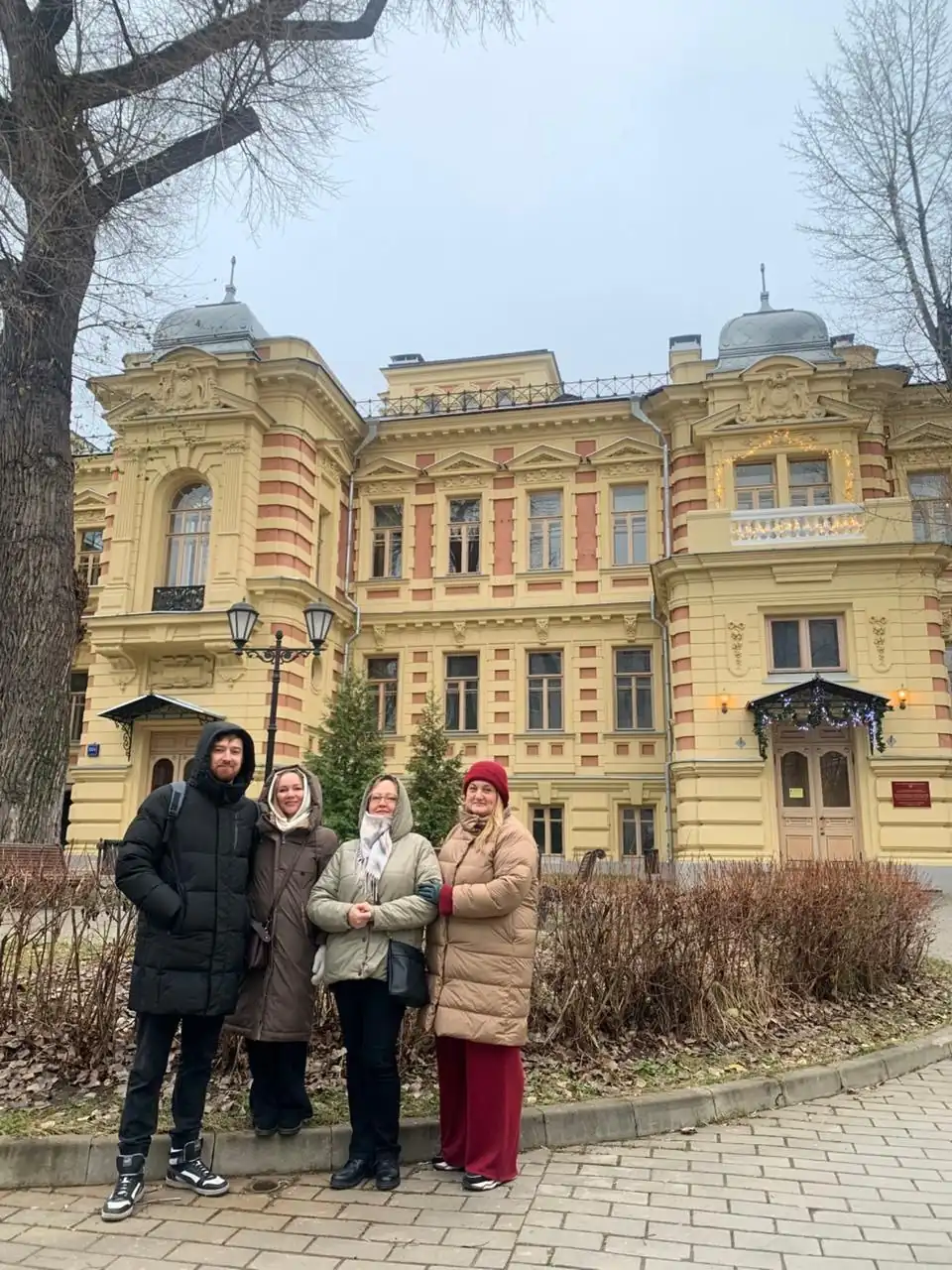
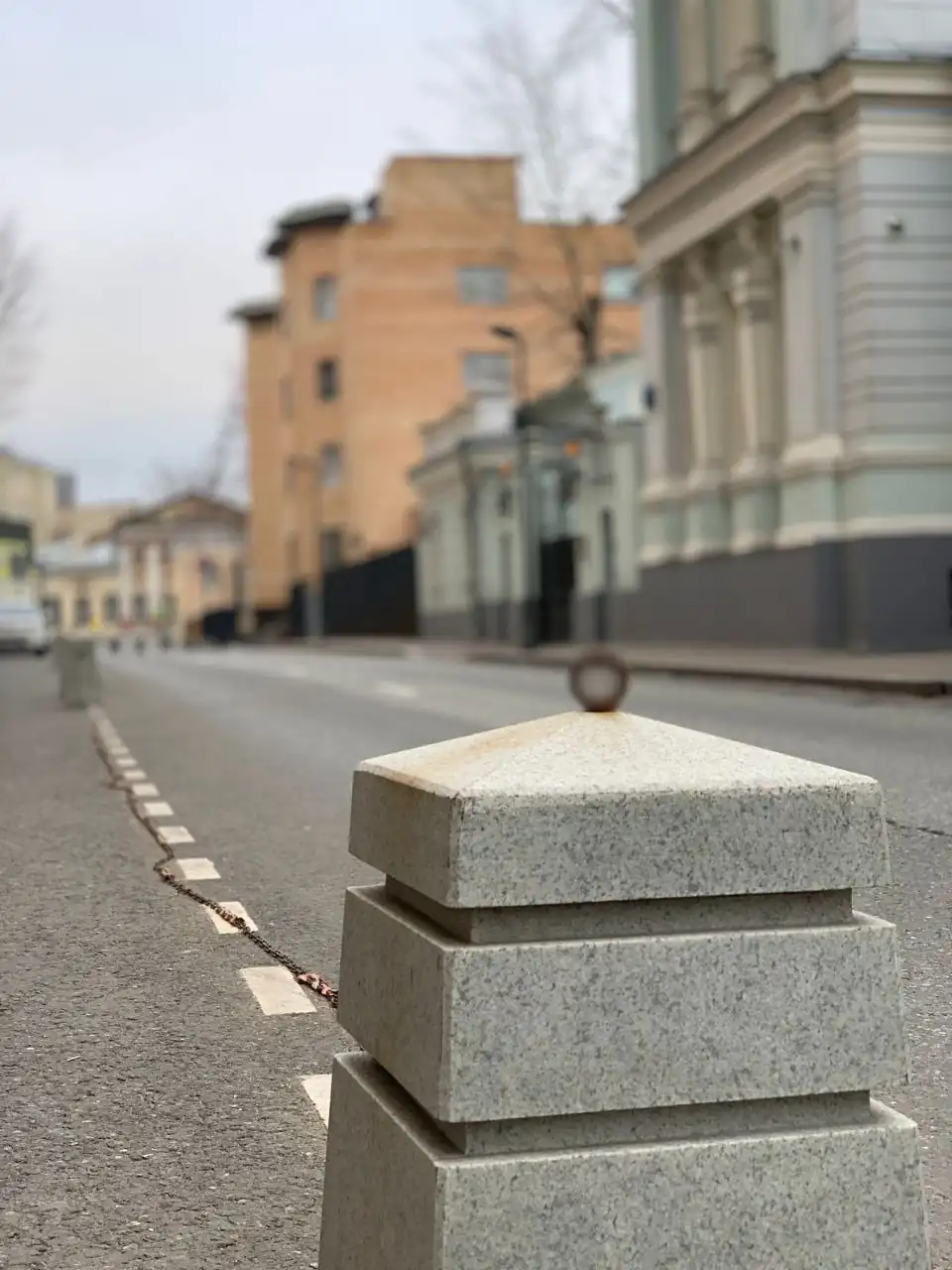
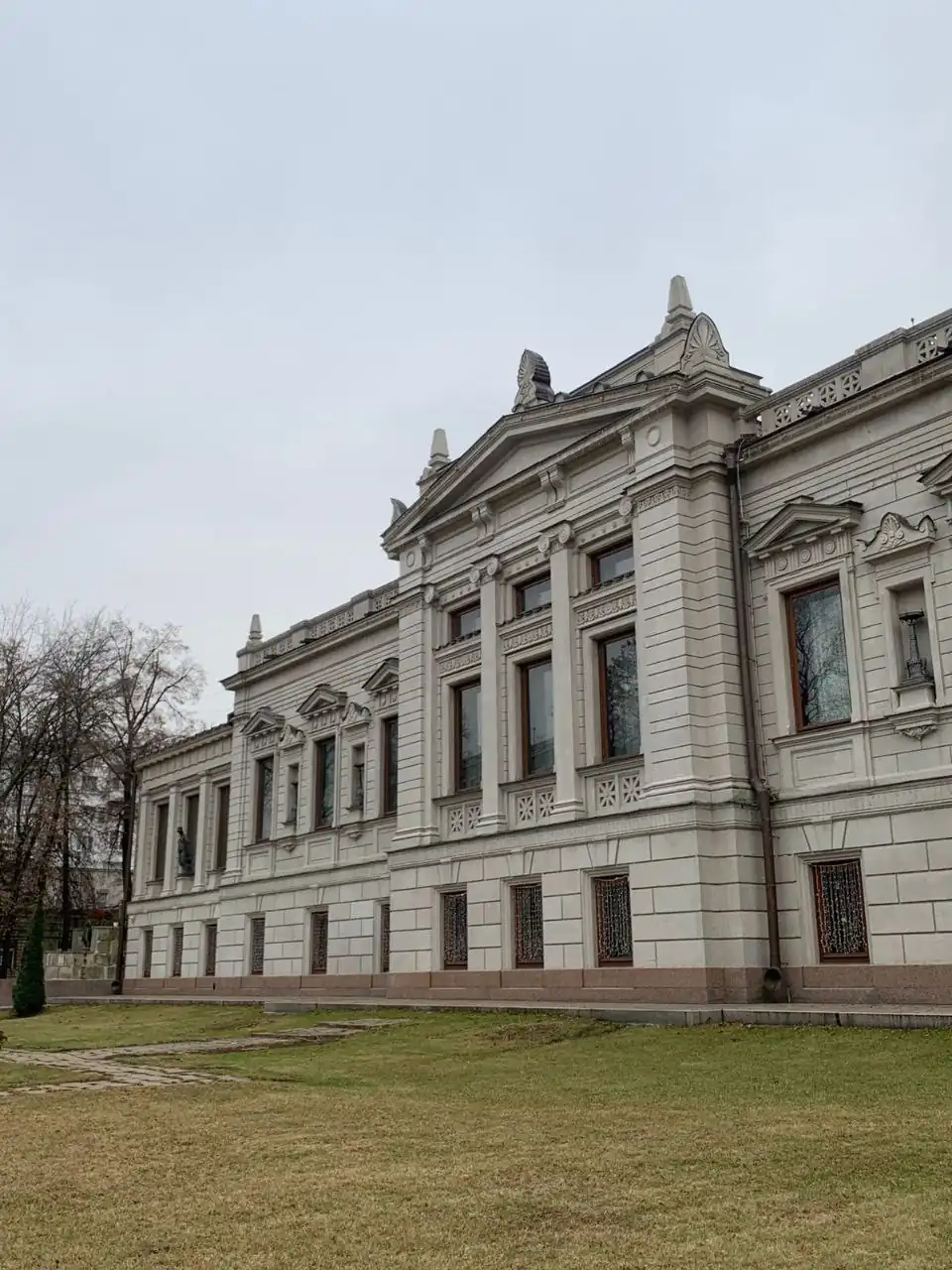
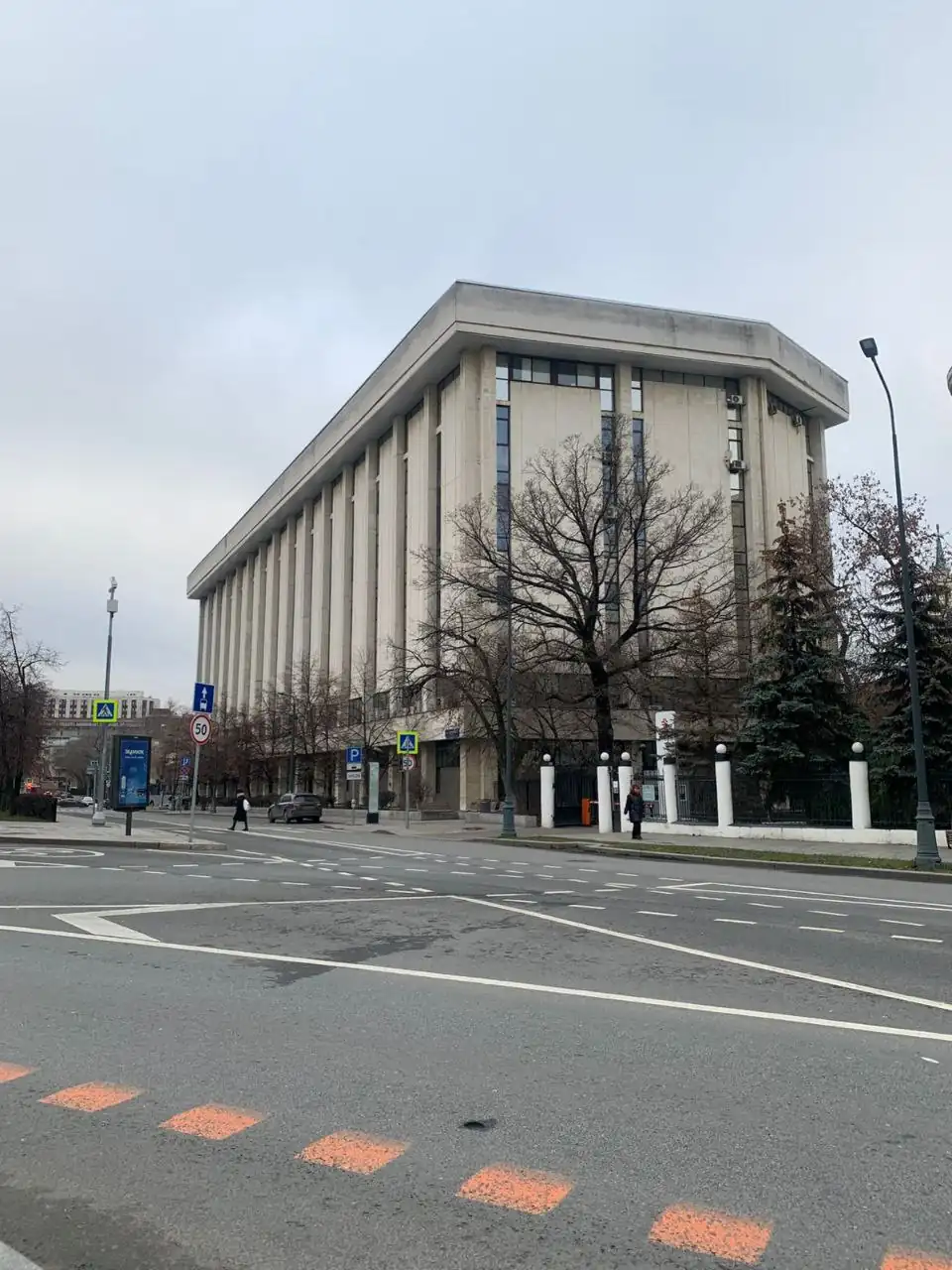
We organized a weekend excursion for SFT Group, a company the agency has been working with for several years. SFT Group commissions this series of itineraries from us year after year, and the 2025 excursion plan also included a number of excursions: Patriki, Zamoskvorechye, Presnya, Khamovniki, and Preobrazhenka. This program included Basmannye and Vorobyovy Gory, led by tour guide Maria. The group also has "Sweet Spots" planned for December 13th.
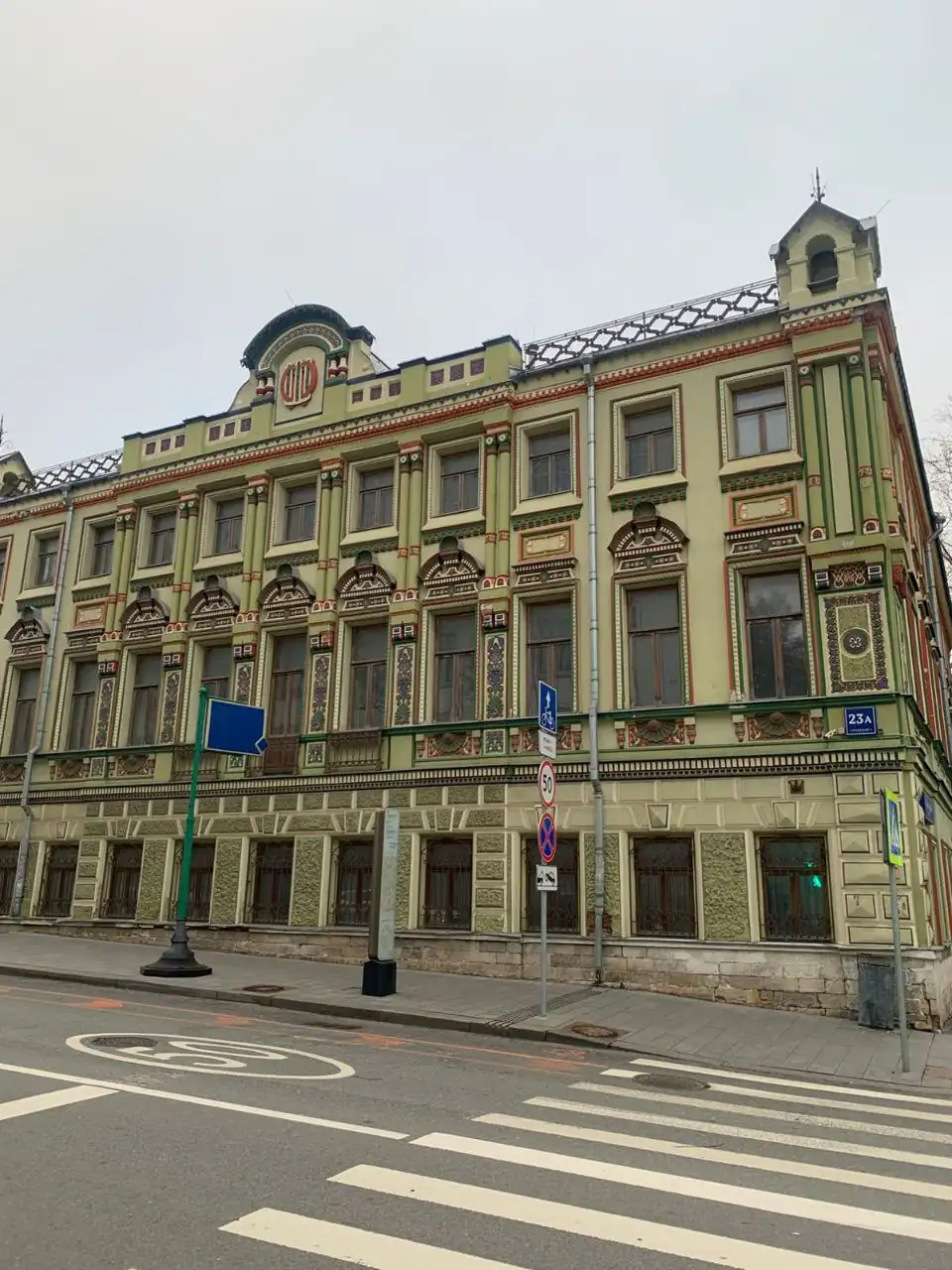
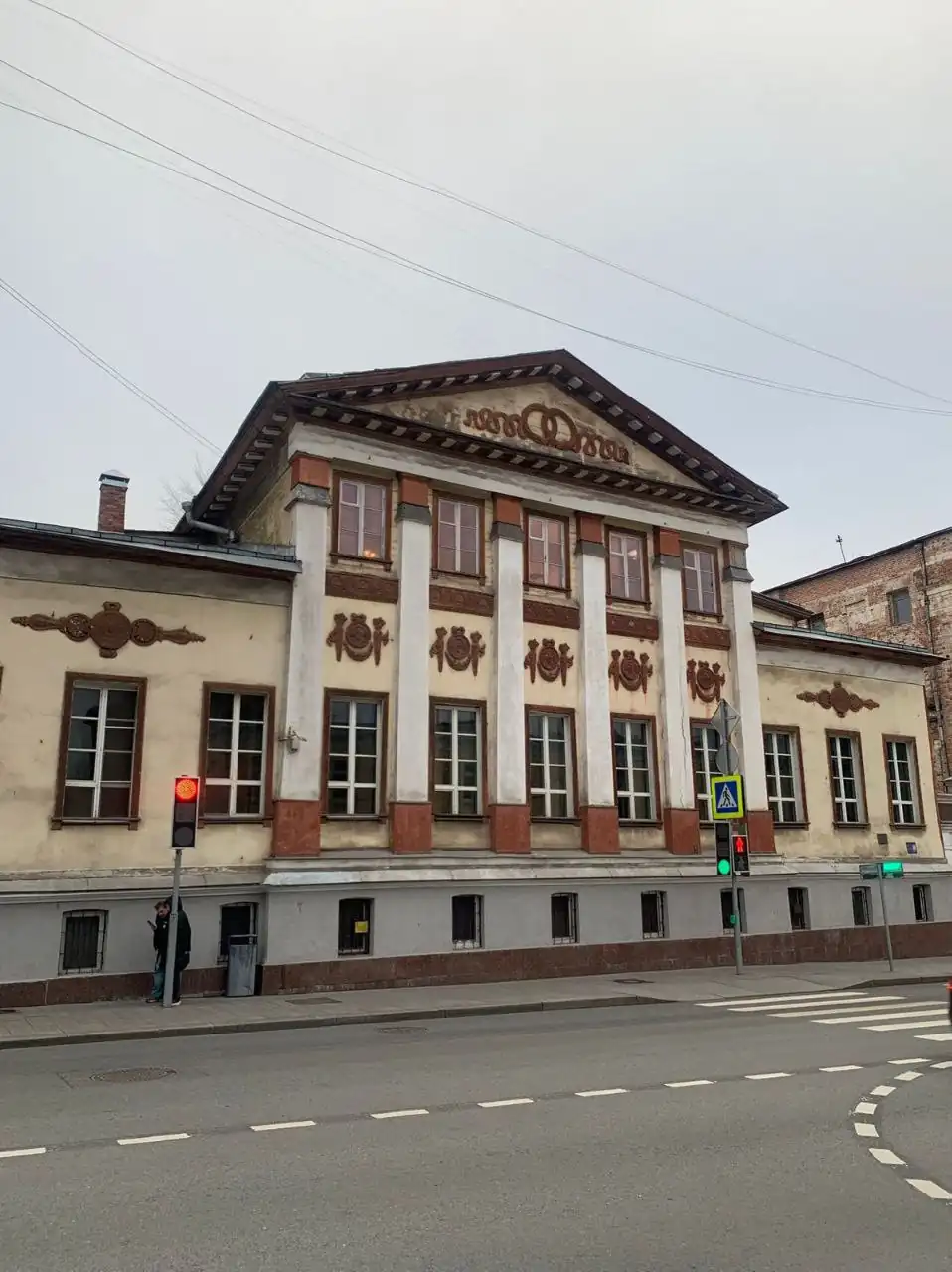
On Basmannaya excursion Some of the participants had been to the area before, but they knew little about Basmanny in general—so the guide's story was a major revelation for many. Along the route, the guests saw how many places and interesting buildings are hidden between Novaya and Staraya Basmannaya. A special topic of conversation was Bauman Garden: a green space in the very center of Moscow where, despite its relatively small size, many activities are concentrated, as well as historical sites that remain attractive today.
Bauman Garden and the Stakheev Estate Grotto
In the Bauman Garden, participants were shown a grotto that was once part of the Stakheyev estate. The guide emphasized that it is an example of late 19th-century historicist architecture, reminiscent of the romantic grottoes found in gardens of the late 18th and early 19th centuries. The grotto clearly intrigued the participants, and a separate theme was the fact that it housed many different establishments during the Soviet era: a beer hall, a buffet, and other establishments.
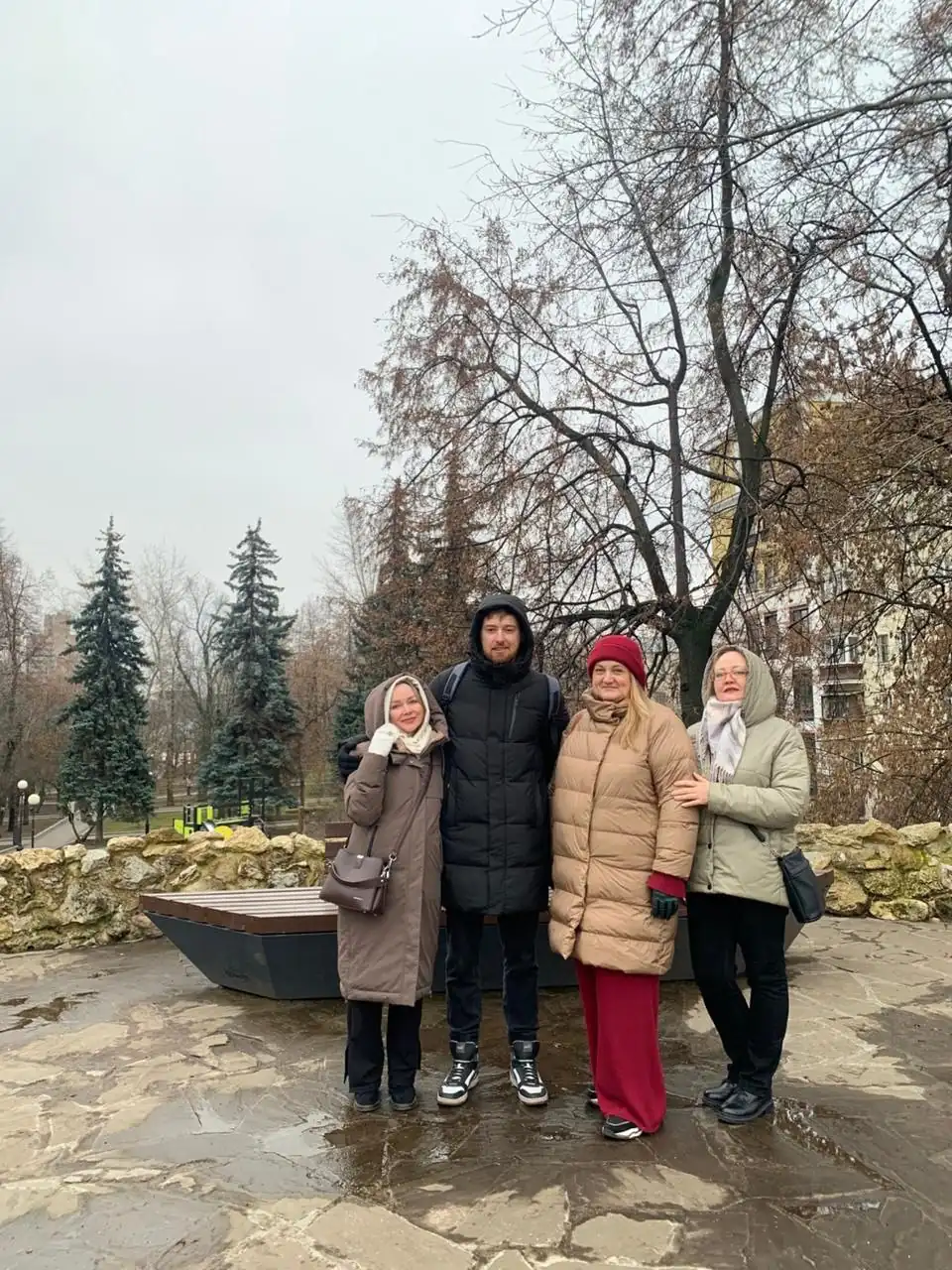
The place proved both picturesque and photogenic: the group took photos there. The guide noted that from the observation point above, the grotto offers a beautiful view of the entire garden—a true observation deck that allows one to see the space in its entirety.
The Red Gate and a discussion of the square's baroque appearance
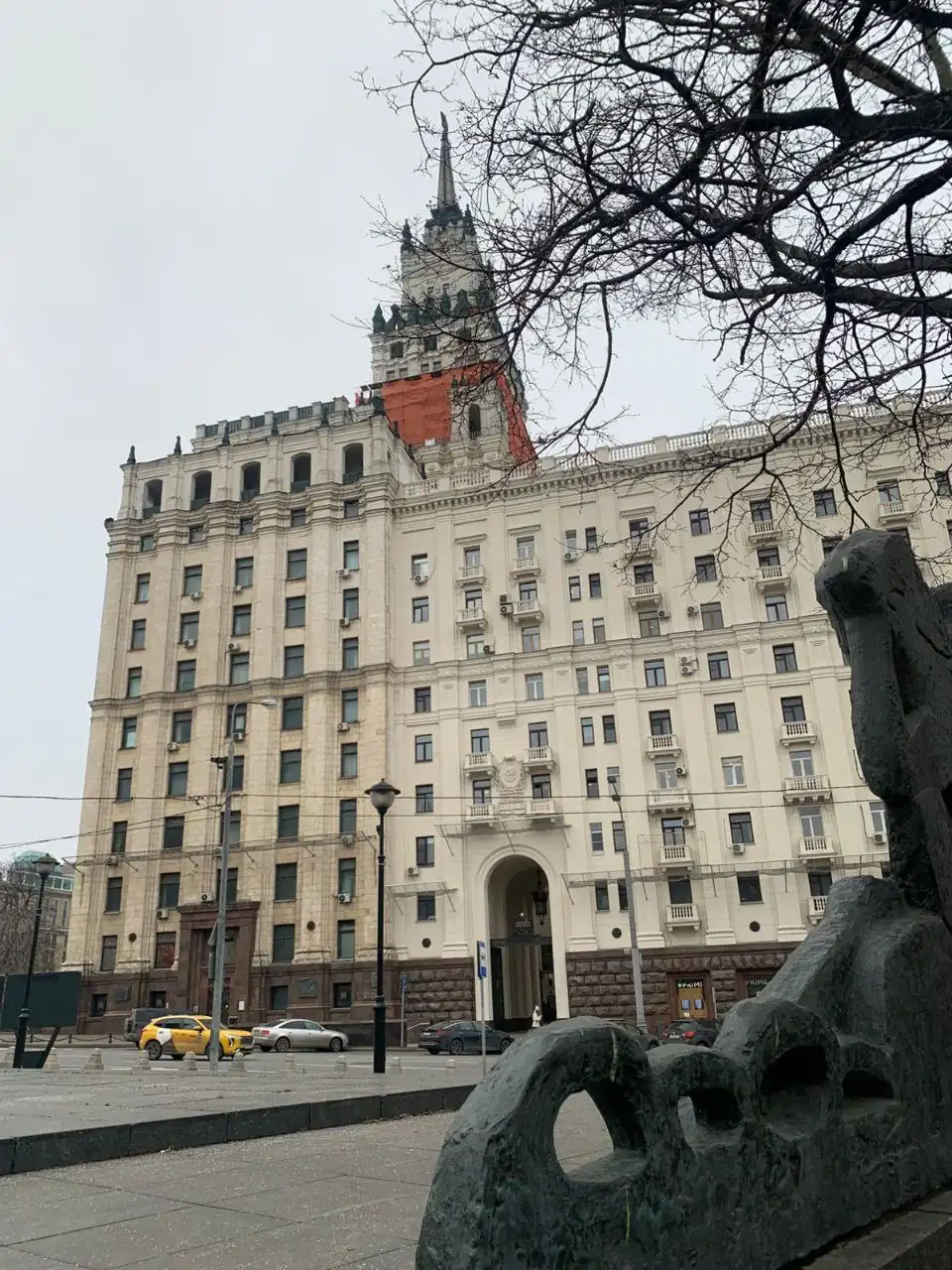
The route then led the group to Krasnye Vorota Square. There, much discussion centered on the square's baroque appearance and how it changed during Soviet times. The talk included interesting and amusing facts about the construction of Stalin's skyscraper on Krasnye Vorota—this part of the walk held the participants' attention just as much as the "green" points along the route.
Kurakins, an almshouse and the story of Fyodor Tolstoy
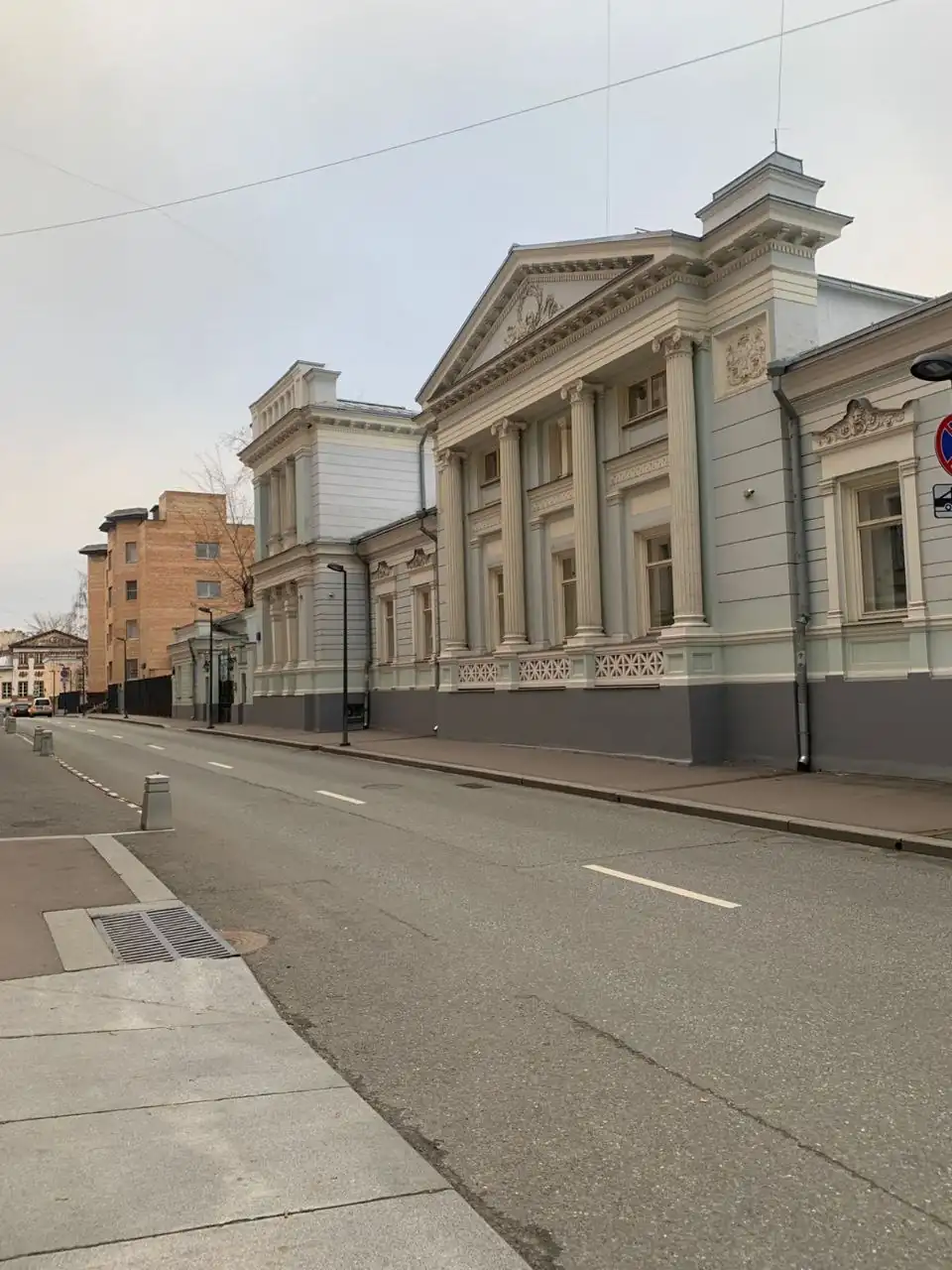
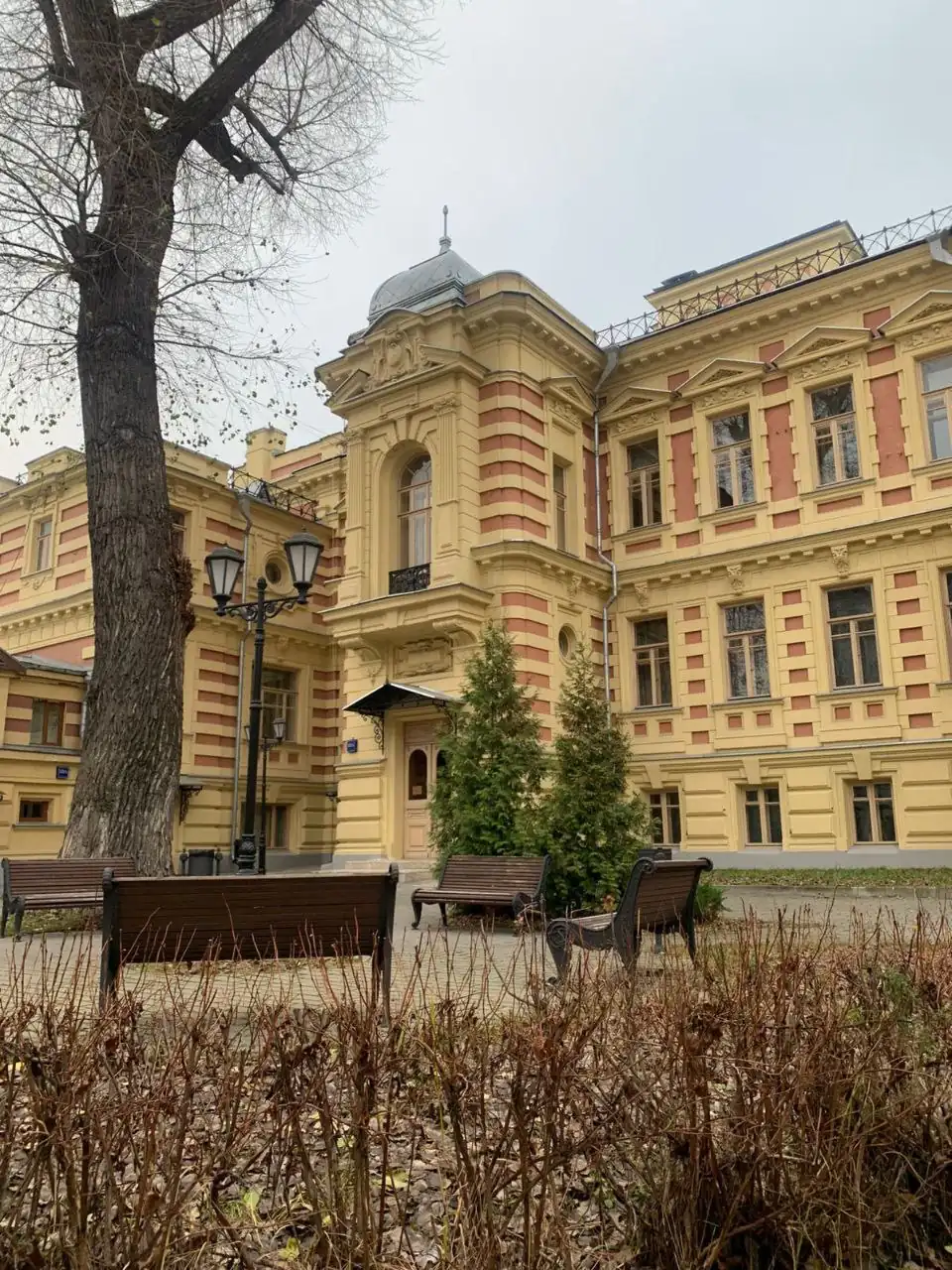
The fate of the Kurakin family also made a strong impression on the tour participants. The guide recalled that the Kurakins ran an almshouse and owned numerous properties between two Basmannaya Streets. Against this backdrop, the story of Fyodor Tolstoy, an American, was particularly vivid: according to several sources, he may have been the person who introduced Alexander Pushkin to his future wife. The guide linked this episode to a specific point on the route—the Kurakin house near the Cathedral of Sts. Peter and Paul on Novaya Basmannaya.
It was precisely these precise references to the location—the Kurakin house near the Peter and Paul Cathedral, Red Gate Square, the grotto in Bauman Garden—that made the walk through the Basmanny District a true discovery for the group.
Weather, pace, and conversations along the way
The tour took place in fairly cool weather: there was a breeze, and the participants were a bit chilled. Nevertheless, the group steadfastly completed the entire route on foot, without complaint or slackening their pace. According to the guide, the guests were engaged in the stories at every stop: the route's points were varied, and the transitions between them were logical and rich.
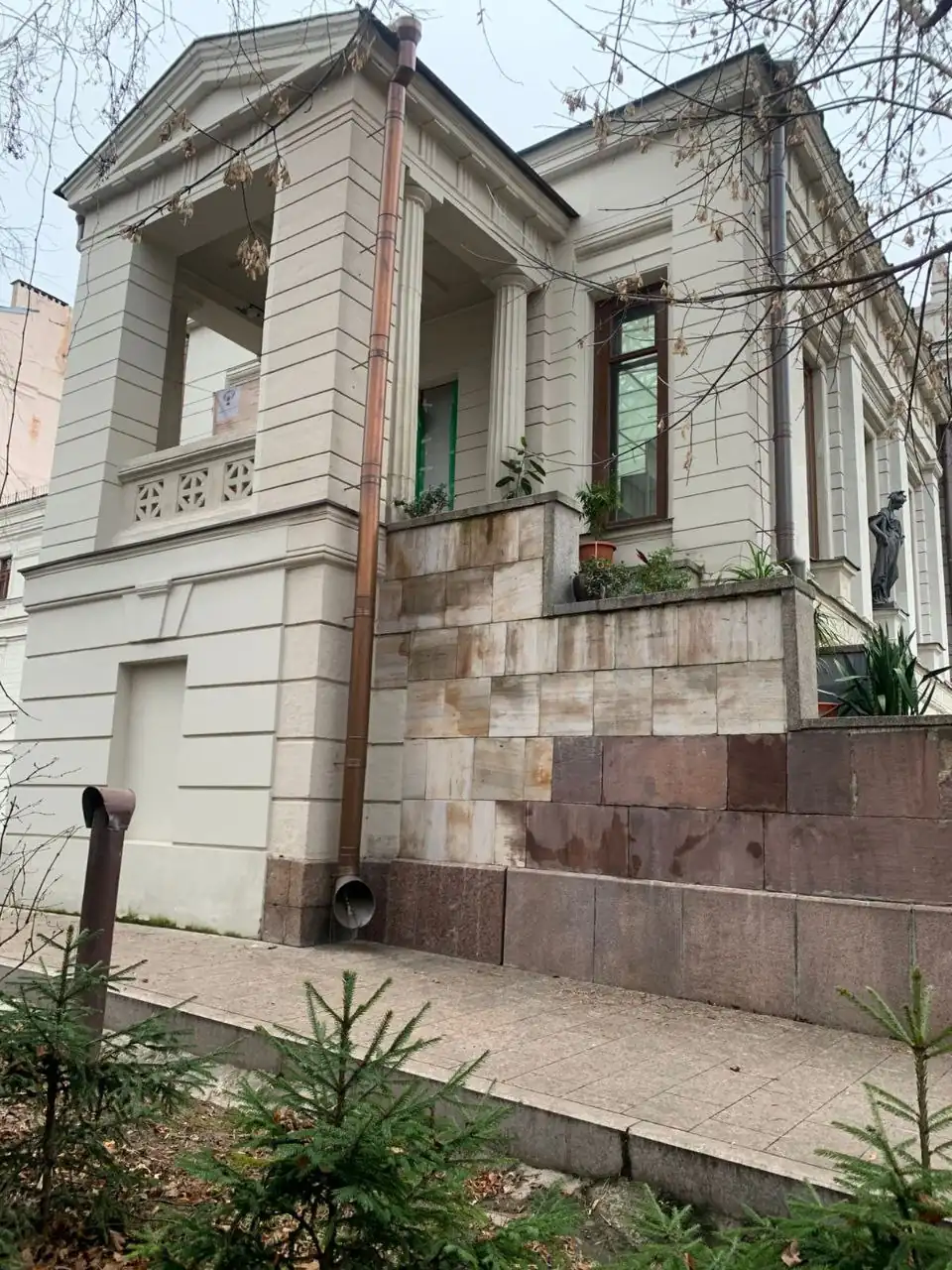
Along the way, the participants discussed the transformation of historic estates into modern residential complexes and even contemporary private homes. The guide noted that this led to an engaging dialogue: the conversation didn't wander into abstractions, but focused on concrete examples encountered along the way on the streets and alleys of the Basmanny District.
The final point: the Bauman monument
The tour concluded at the traditional Bauman monument. Here, the guide suggested a broader look at the monument: not only to recall the revolutionary's story but also to appreciate its artistic qualities. Participants agreed that the form and texture were masterfully executed, and that the sculptor's work was clearly visible in the details.
After this walk, the guests expressed a desire to meet the guide again—and indeed, they did meet on December 6th during a tour of Vorobyovy Gory. The bureau plans to continue this report with a separate story about the next route, maintaining the format of personalized, signature walks around Moscow.
We took a tour of Taganka designed for 12-year-old children. It was an excellent programme. We covered a great deal of ground and learnt so much. We discovered the story of Dryanaya Street and discussed the Vladimir Highway, the surrounding monasteries and churches, and the Old Believers. We now know where Korovin was born, where Stanislavsky was born and raised, where the Morozov merchant children lived, and why Arseny Morozov was considered such an outrageous figure in his day. We also discussed Solzhenitsyn, discovered where Stalin Avenue was supposed to be built, saw the bunker, walked to the Russian metochion of the Mount Athos Monastery, and learnt why the Illuzion cinema made Taganka famous. Of course, no tour would have been complete without Vysotsky and Lyubimov. We also touched briefly on Taganka Prison, although naturally we did not go there. All in all, it was an exceptionally rich and informative tour! Our guide Alexander was superb!
Our thanks to our guide Alexander for a magnificent sightseeing tour. Alexander’s love for Moscow and its history, his wide-ranging knowledge, elegant and engaging delivery, and personal charm make the tour not merely interesting and informative, but truly delightful! Thank you, Alexander! Tatiana and Tatiana, St Petersburg
On July 18th, we participated in the "Soul of Moscow" group tour led by Alexander. Kitay-gorod and its surroundings revealed a new side to us, and everyone thoroughly enjoyed it. Some of us began intensively studying related materials to broaden our horizons. We'll be back, and we highly recommend it! You won't regret it.
Good afternoon, on June 23rd we had a tour called " The Soul of Moscow ," led by Alexander. He's a very pleasant young man. We visited such lovely courtyards and alleys with him that we never even knew existed, and we learned so much. We really enjoyed everything, and we hope to continue our acquaintance. Alexander! Thank you! We had a great time with you, and we thoroughly enjoyed it. See you there!
This isn't my first time with Radius. This time, I took the Moscow metro . The goal was not only to admire the underground palaces but also to learn how to navigate the metro. As a resident of a region without a metro, I was a bit apprehensive and didn't understand how to navigate the metro. Of course, the internet helps, but live communication is much better. Tour guide Yulia handled this task perfectly. The information was accessible and interesting, the presentation was calm, and the communication style was very friendly. Thank you very much for the tour and the practical experience.
Good afternoon! I gave the "Soul of Moscow" tour to some of the capital's guests. We were thrilled to hear our guide, Anton. It was so informative and engaging, and very warm. To say we were absolutely delighted is an understatement. It turned out to be a truly family-friendly excursion. We learned so many interesting facts. The material was presented professionally, all our questions were answered, and we saw so much. It was simply WOW! Thank you so much, Anton, he's the best!!!!! From now on, I'll only come to you, the Radius team. I highly recommend it. I promise we'll see each other again soon on other tours.
Overall, the tour left a positive impression! Thanks to Alexander for the walk through the courtyards and atmospheric spots of Kitay-Gorod; we certainly wouldn't have done it on our own. The tour was comfortable, and the guide spoke confidently and calmly. One thing we personally missed: we would have liked more of the historical part, relating to ancient Moscow and the history of Kitay-Gorod. There were quite a few stories about the Soviet period and the bar scene, but for our group, this wasn't particularly relevant. We think the program could be a little more tailored to the age and interests of the group. It would also have been interesting to add more historical facts, monuments, and details about old Moscow and the area itself. That said, the tour was still interesting, and some places and churches were truly memorable. These aren't really "cons," but rather suggestions for an even more comprehensive program.
Hello! We had a corporate group of 10 people. Our guide was Anton, and we had a tour of Bulgakov. I would like to point out the excellent organization; everything went smoothly. The managers were very accommodating to our changes in the number of participants. The bus was very comfortable. Anton is a super-engaged and motivated guide. He lives this history and is delighted to share his knowledge and create an unforgettable experience. Everything went well. I highly recommend it!
Thank you for a fascinating tour! It gave me so much food for thought to explore! Note: Review of the "Zamoskvorechye" tour with guide Maria.
I'd like to express my gratitude on behalf of our team! Thank you for keeping to our scheduled schedule despite our lack of organization. Our colleagues appreciated your preparation for the tour! It was informative. Note: Review of the "Modern Residential Complexes, Factory Past, and Avant-Garde" tour of the ZILART residential complex with guide Maria. Maria prepared and conducted a customized tour for employees of the Samolet Group of Companies development company.
Thank you! You have great talent. Good luck! ☺️ You're a wonderful guide! Thank you again! Note: This is a review of the corporate tour "The Heart of the Capital" with guide Maria.
Thank you for a wonderful day today!!)) Note: review of the excursion "The Soul of Moscow" with guide Maria
On behalf of the whole family, I want to thank you for a very informative and interesting tour! Note: This is a review of the "Palace Dungeons" tour with guide Maria.
Good afternoon! I'd like to express my gratitude and that of my guide for organizing the tour! We were very pleased. We'd like to do it again in October, but on a different route — ZIL. Note: This refers to the tour for Samolet Group developers, led by guide Maria.
Thanks to Alexander for the bar tour of Baumanka ! It was fun, exciting, and we discovered so many new places! Awesome! May we reach new heights!
Good afternoon! I was on a tour of Sukharevskaya Square — we went all the way to Tsvetnoy Boulevard. I didn't expect it to be so interesting! For those wondering whether to go — go for it! It truly became one of my most memorable summer memories!
Anastasia, good morning! Thank you and Masha for yesterday! The speakers are happy. The connection through the headphones was often lost, especially at the checkpoint, but that's just our current situation. You could hear if you were standing close, no more than 1.5 meters away. Colleagues have already asked for your contact information. I'd be happy to share it and look forward to another opportunity to work with you. Special thanks to the Director for the Bureau . Note: " Heart of the Capital " tour for participants of the 2025 Moscow Oncology Forum. Guides: Anastasia and Maria.
We'd like to thank Anton and Alexander for leading the tour! It was fascinating to hear how the Krasnaya Presnya district developed and how Prokhorov's influence on our city's development. It was a pleasant immersion into a quiet, previously unexplored area!
Good afternoon, thank you so much, Anastasia. The " Uncle Gilyai " tour was fantastic. Even though we're Muscovites and know a lot about Moscow, the experience was amazing, so much new and interesting happened. We'll definitely be back.
Thank you for the " Heart of Moscow " and " Khamovniki " tours. Anton, a knowledgeable and passionate Moscow guide, gave me the tour. He's a great storyteller, intelligent, well-read, and captivating. You've truly opened up my Moscow to me! I'll definitely be back next summer to explore Moscow with you. I'll recommend your wonderful tour program to all my friends!
Excursions with the Radius travel agency are always a positive experience if you choose them. We planned a tour of Zamoskvorechye on our next visit. We've worked with our guide, Anton, before. We'll definitely recommend him to everyone we know. The tour is informative, not overloaded with dates, and the information is comprehensive yet easy to understand, as it's presented in a light, narrative manner, not like a history textbook, dry and academic. Thank you for this approach. We'll definitely use the Radius agency again on our next visit to Moscow.
Thank you so much for the tour of Zamoskvorechye . Despite the weather, it was very interesting and informative! Note: this refers to the tour with guide Anton.
A huge thank you to Anastasia. We had a fantastic tour of the Patriki district. We learned so much. Anastasia is a true master of her craft. The tour was captivating, not at all boring, lively and interesting. Everyone was delighted. We were full of new impressions. I definitely recommend it. You won't be disappointed!
We explored the Soul of Moscow with my family and Radius on my birthday. Everyone thoroughly enjoyed the walk! Anton shared so many interesting facts about the capital and its history, taking us into spiritual depths no one else had even suspected. Most of us were either born or longtime Moscow residents who spent a lot of time walking around. It was educational, heartwarming, and unforgettable. 🙂 Overall, this wasn't my first time walking around Moscow with Anton, and each time was a real adventure!