Avant-garde, factory, and the city of the future: a walk through Zilart with Samolet
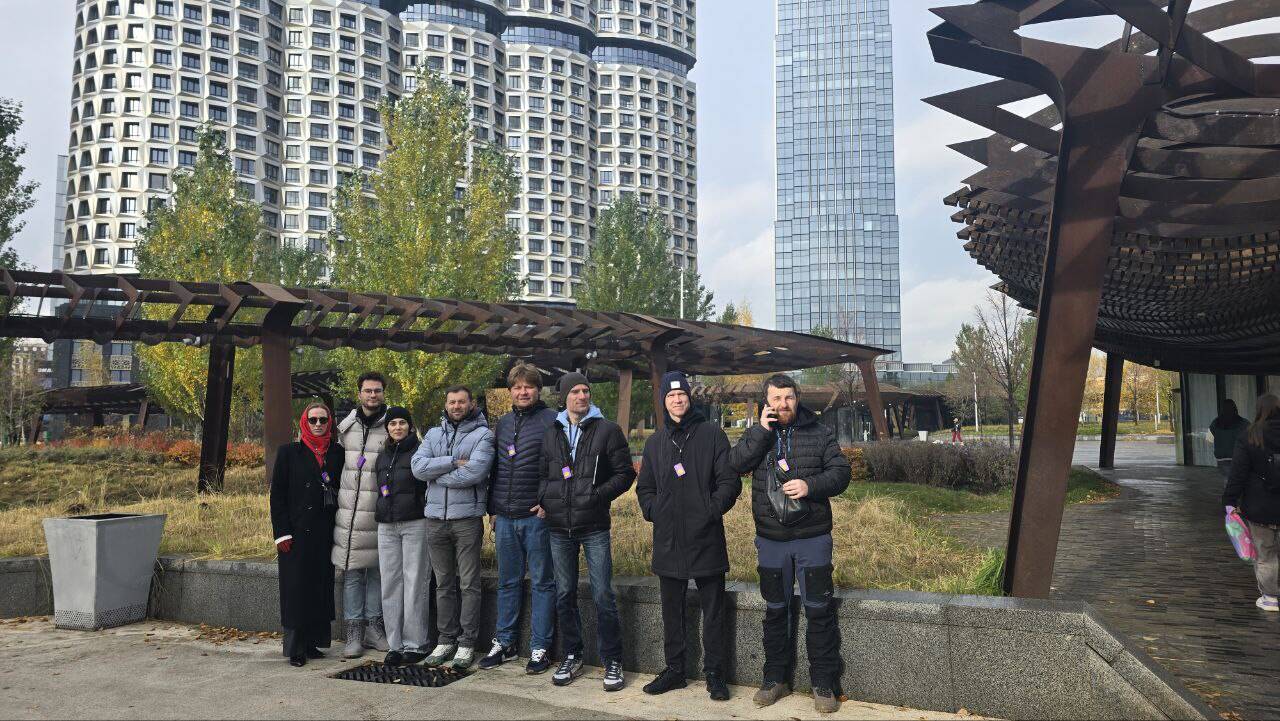
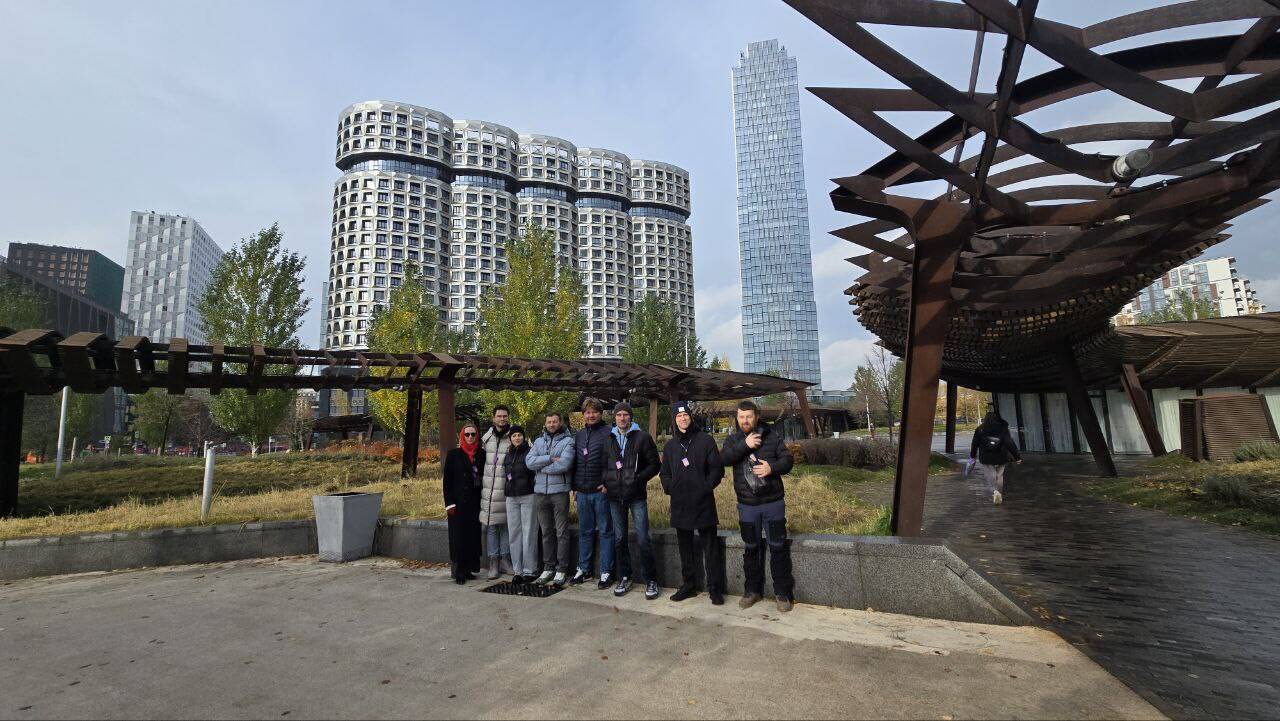
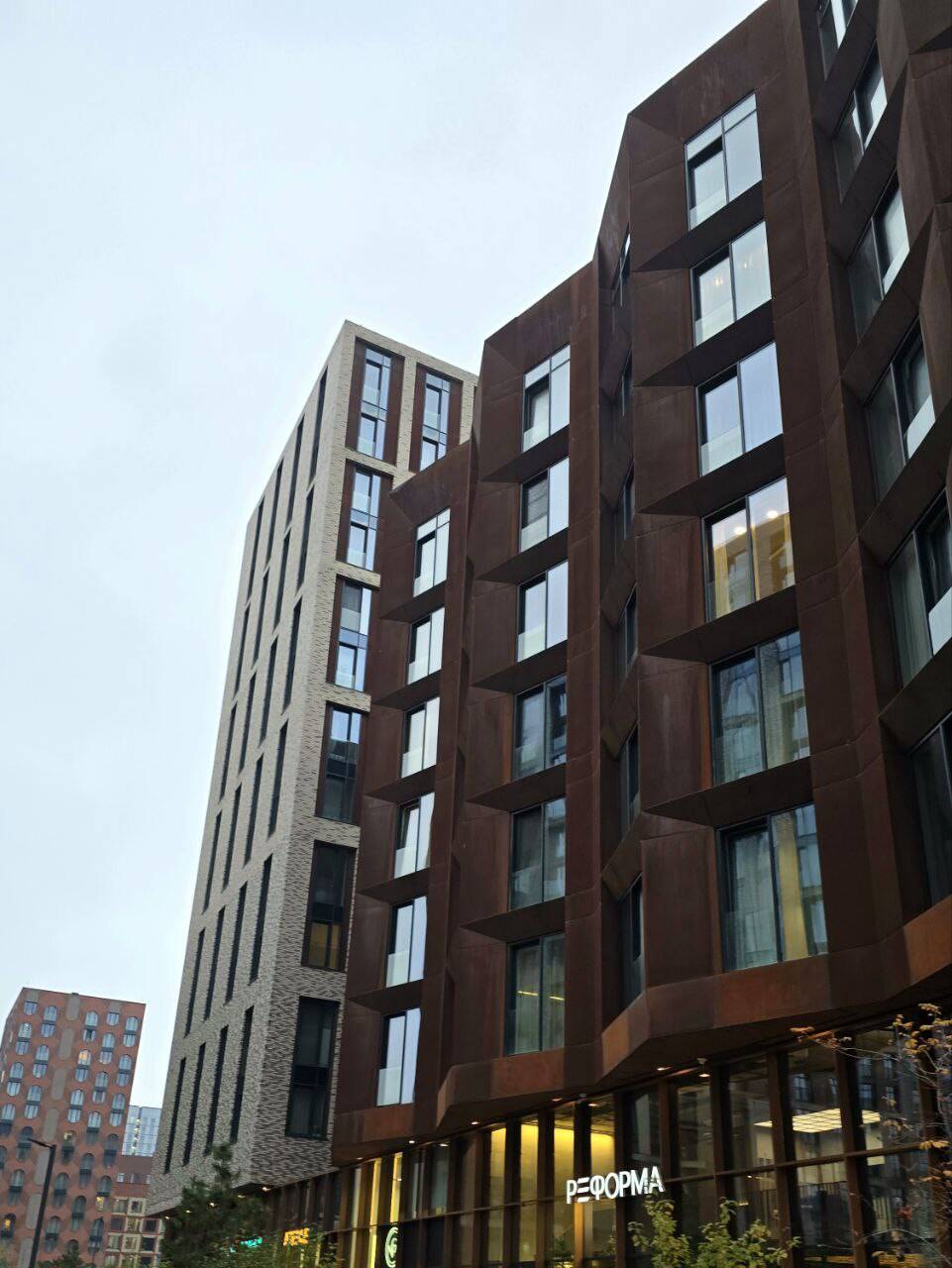
Not every new district in Moscow allows for such a coherent discussion of industrial history, urban memory, and contemporary architectural language. That's why the latest author's Our bureau's tour was dedicated to Zilart, a district that grew up on the site of the former Likhachev automobile plant.
This time, the tour included developers from the Samolet company, who have chosen our agency's tours before. Previously, the guide had led the same group on a walk through Zamoskvorechye, where the discussion focused on residential complexes and the historical environment. Now, the focus shifted to a completely different urban context: a large-scale redevelopment area, where new architecture literally grows out of the industrial past.
ZILART is a specially designed district built on the site of the legendary ZIL plant, which was briefly known as the Stalin Plant in the mid-20th century. The space proved particularly fertile for a tour narrative, seamlessly merging themes of industrial heritage, art, and architecture. The district's very name alludes to art culture and the 1920s and 1930s, when the plant enjoyed one of its heydays and the avant-garde boomed in art. This artistic language later evolved into post-constructivism and then into the Stalinist style.
During the walking tour, the guide pointed out how this era is encoded in the toponymy. The quarter's creators decided to name the streets after architects and artists of the 1920s and 1930s, and the area has become like a living encyclopedia of the first third of the 20th century: Lissitzky, Leonidov, Lentulov, Tatlin, Rodchenko, Kandinsky, Golosov, Ginzburg, Chagall, Melnikov, and Shchusev all appear here. Moreover, the names of new artists and architects will also appear among the buildings yet to be completed.
The route was designed from scratch for this commission, and the idea was not only to tell the history of the place—starting in the 17th century and continuing through the factory period—but also to connect each turn of the walk with specific avant-garde figures. Therefore, on certain streets, the guide displayed illustrative materials: projects and visual ideas by the artists after whom the city spaces were named. While not at every point, the most striking moments certainly received their own "picture."
Start at the ZIL metro station and a conversation about the plant
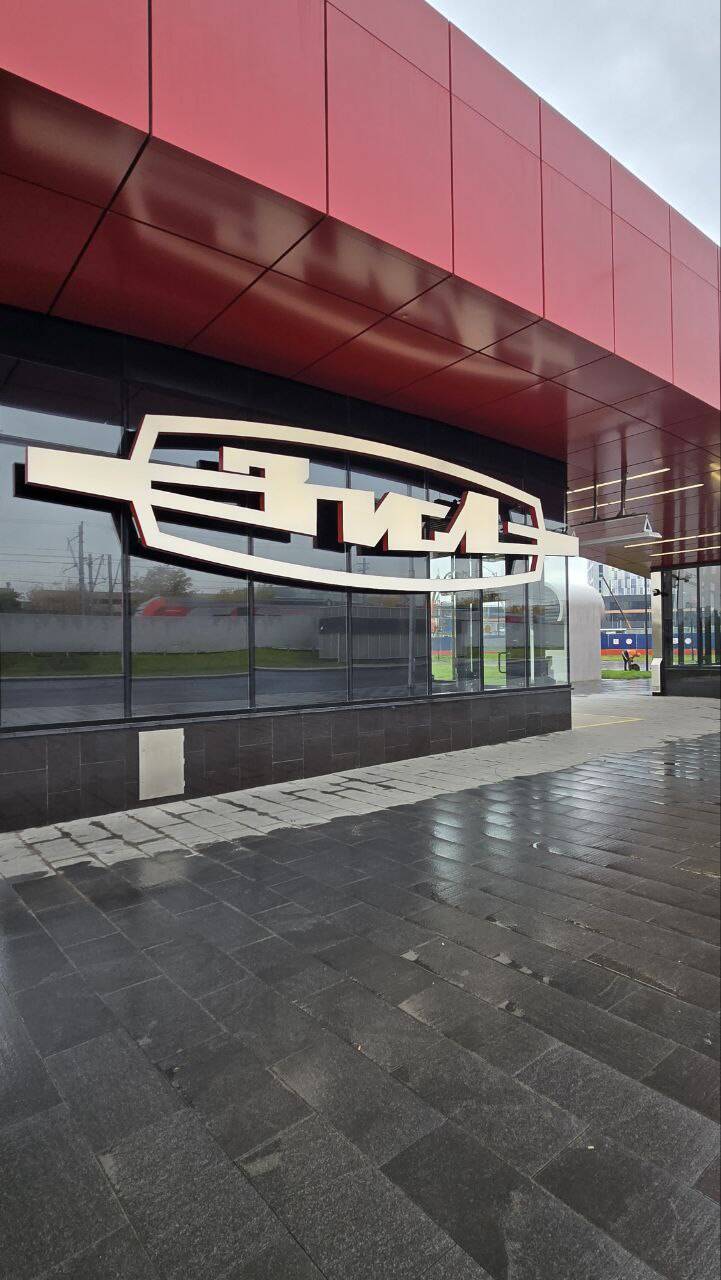
The tour began at the recently opened ZIL metro station on the Troitskaya Line, near Tyufelevo Roshcha Park. Here, participants discussed how the need for a factory arose in the midst of World War I, how production developed, what vehicles were produced, and the role these vehicles played during the Great Patriotic War.
Tyufeleva Roshcha: From Tsarist Hunts to 400 Hectares of Industry
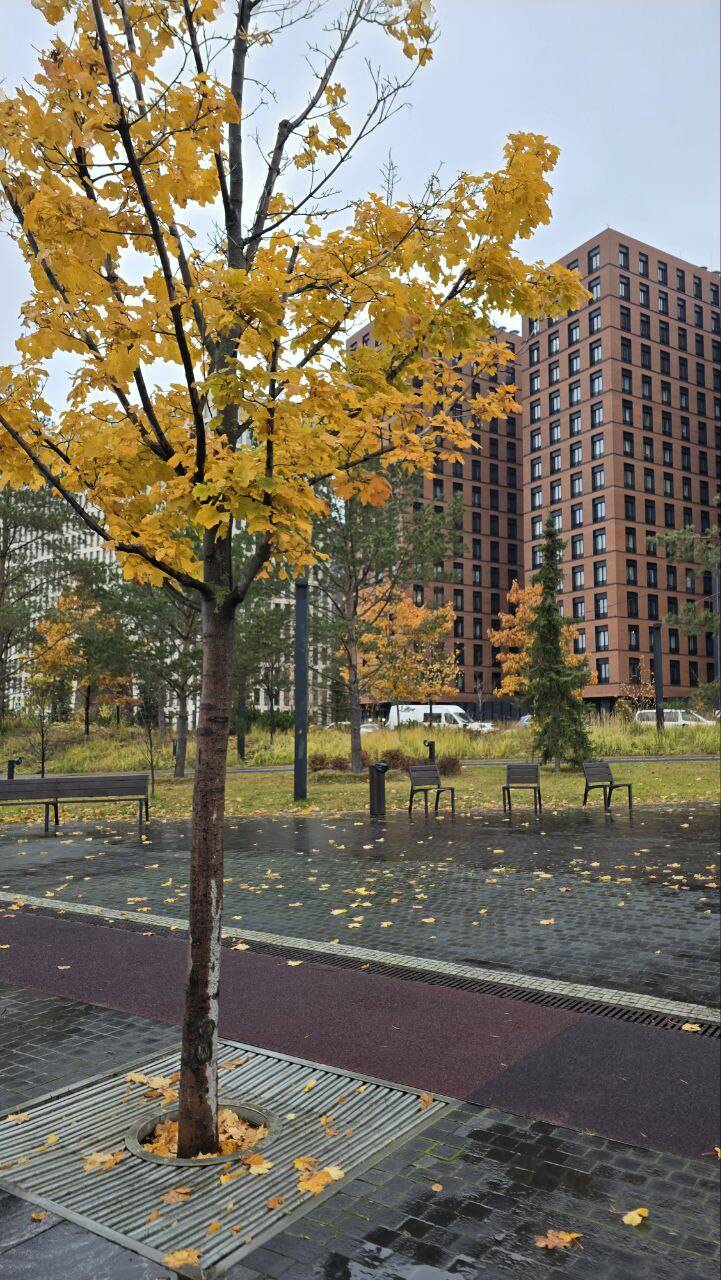
The route then continued through the Tyufeleva Grove, and the conversation unexpectedly drifted far into the past. The guide reminded us that Alexei Mikhailovich loved falconry here, and that Peter the Great staged mock falconry battles nearby. The cultural memory of these places also includes a more intimate story: the action of the sentimental play "Poor Liza." In pre-revolutionary times, the surrounding area was home to large tracts of peasant land and forests, which belonged to the Simonov Monastery and the Krutitsy Compound.
Then everything changed: these spaces turned into a huge factory quarter - practically 400 hectaresToday, all these hectares are being given over to redevelopment, that is, the transformation of the former industrial area into a modern urban district.
The future Collection center and the role of the Vesnins
The next stop was the "Collection" museum and exhibition center, which will open very soon. It boasted some very interesting architectural and conceptual solutions, which the group discussed in detail on site. The Vesnin architects were also remembered: the central boulevard is named after them, and this is no coincidence. The Vesnins built a community center for the factory, so their figure is especially important to the history of this area.
Unified design code and rules of the game
The conversation then turned to the project's master plan and the idea of a unified design code for the entire block. The guide explained the principle: one architectural firm—in this case, Meganom—establishes the basic rules, and then other invited architects create their residential complexes or individual buildings within these defined conditions. The result isn't a completely free-flowing exercise, but an expressive work within constraints—which makes it all the more interesting to observe how the same problems are solved in different ways.
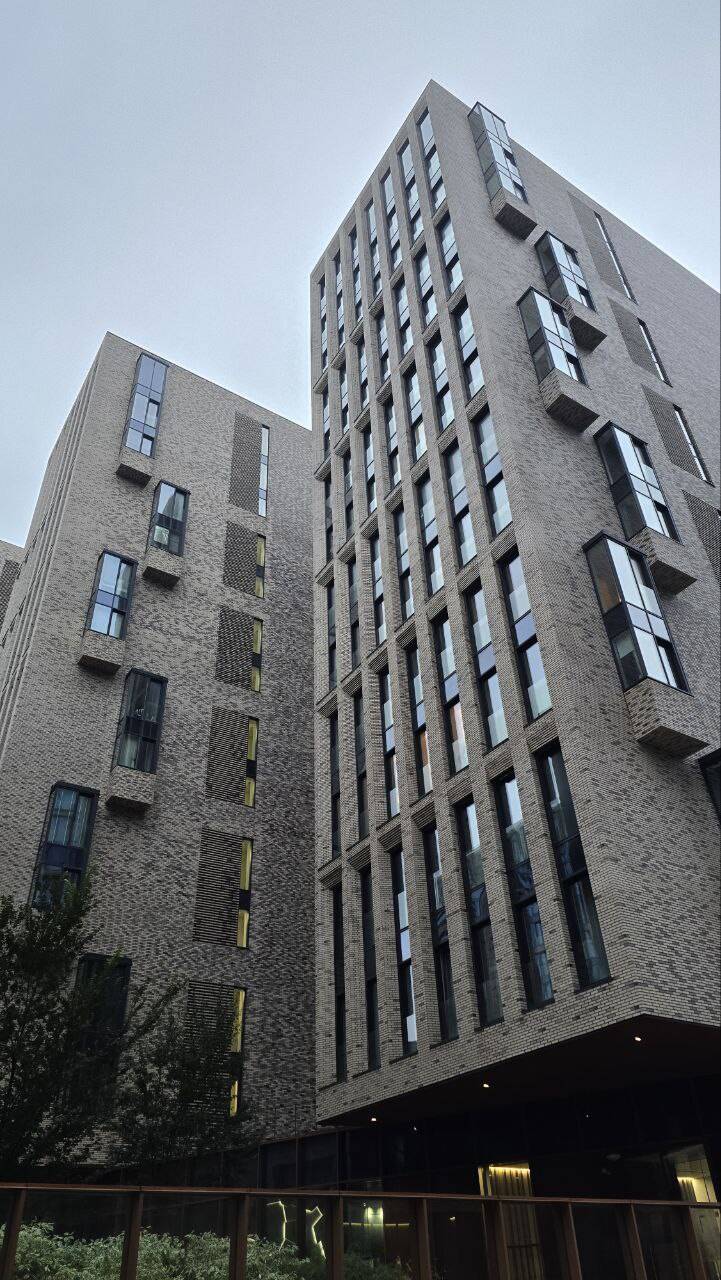
Participants discussed specifics: the use of clinker brick in the cladding, specified color schemes, number of floors, layouts, the treatment of courtyards, and the combination of pedestrian and vehicular areas. The same framework—different solutions, different intonations, different details.
The Rusty House, Hares and Pigeons
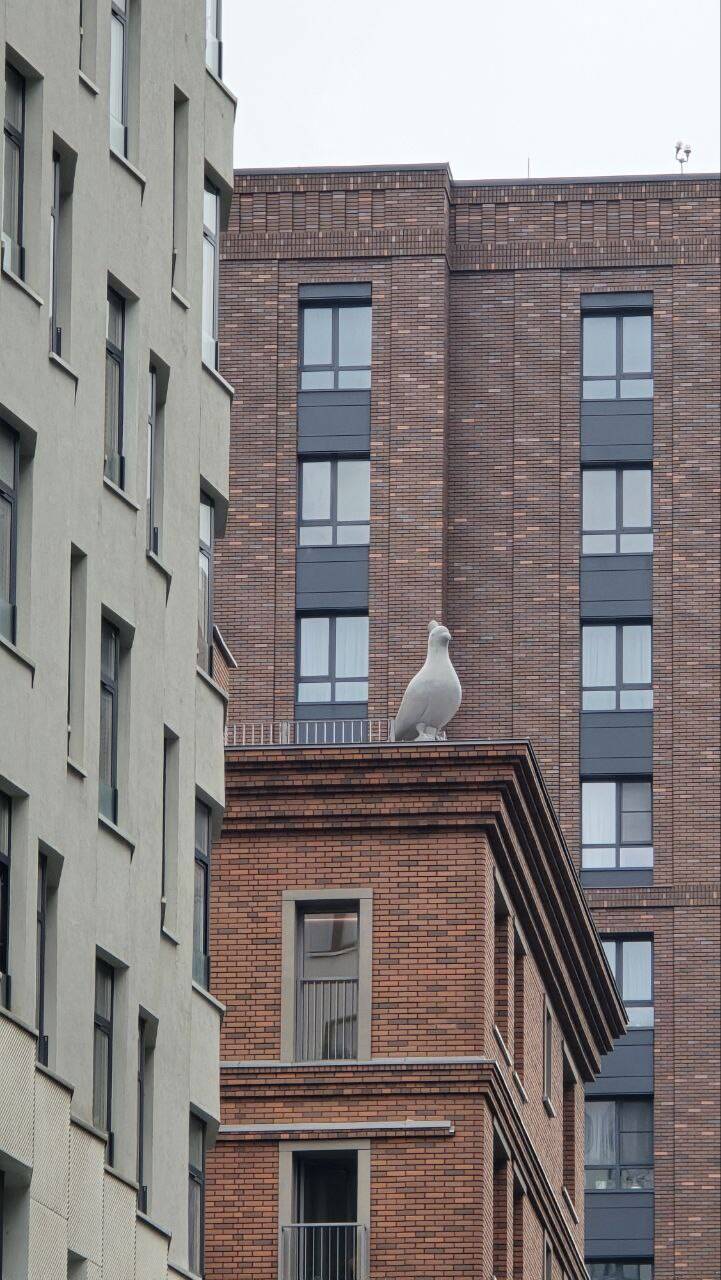
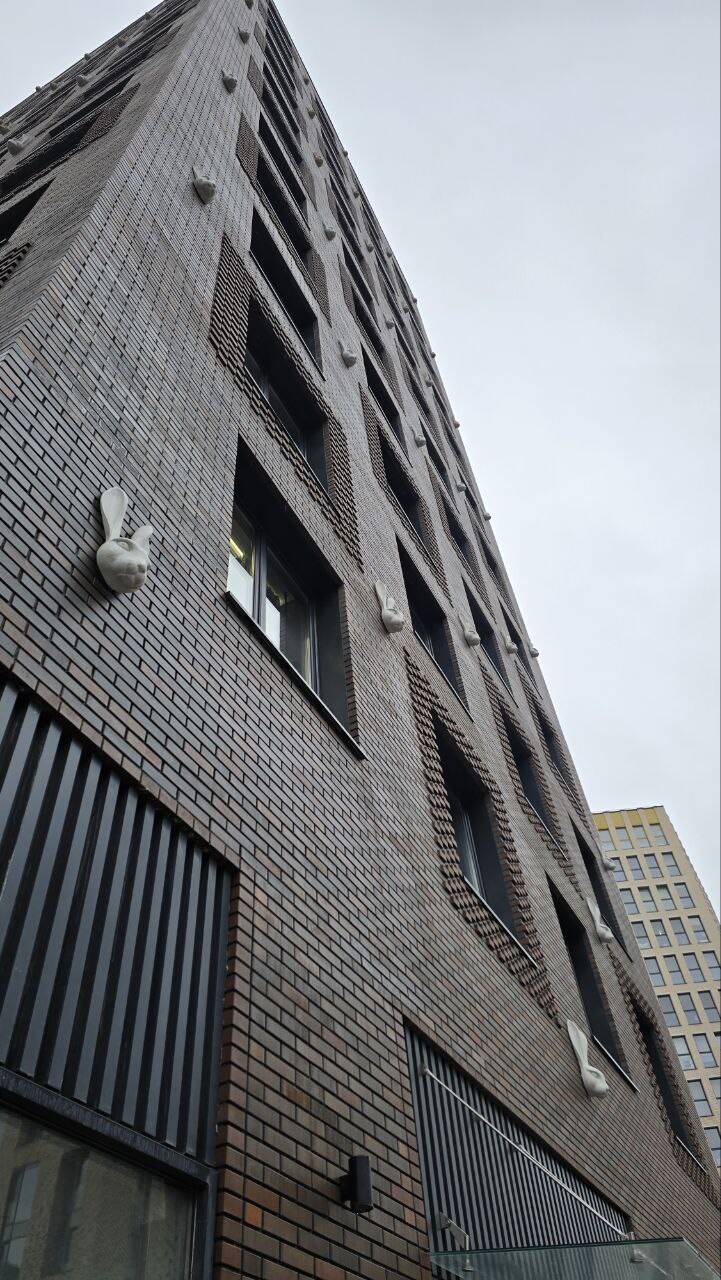
The neighborhood boasts numerous "gems" that deserve to be explored as separate stories. Among the striking objects are the "rusty house," the house with hares (those very same hare heads on the façade), and the house with pigeons. The bird theme, in general, proved unexpectedly expressive: it pops up in a wide variety of details, transforming the neighborhood into a space where architecture doesn't shy away from imagery.
The House with the Golden Arch and the Marc Chagall Embankment
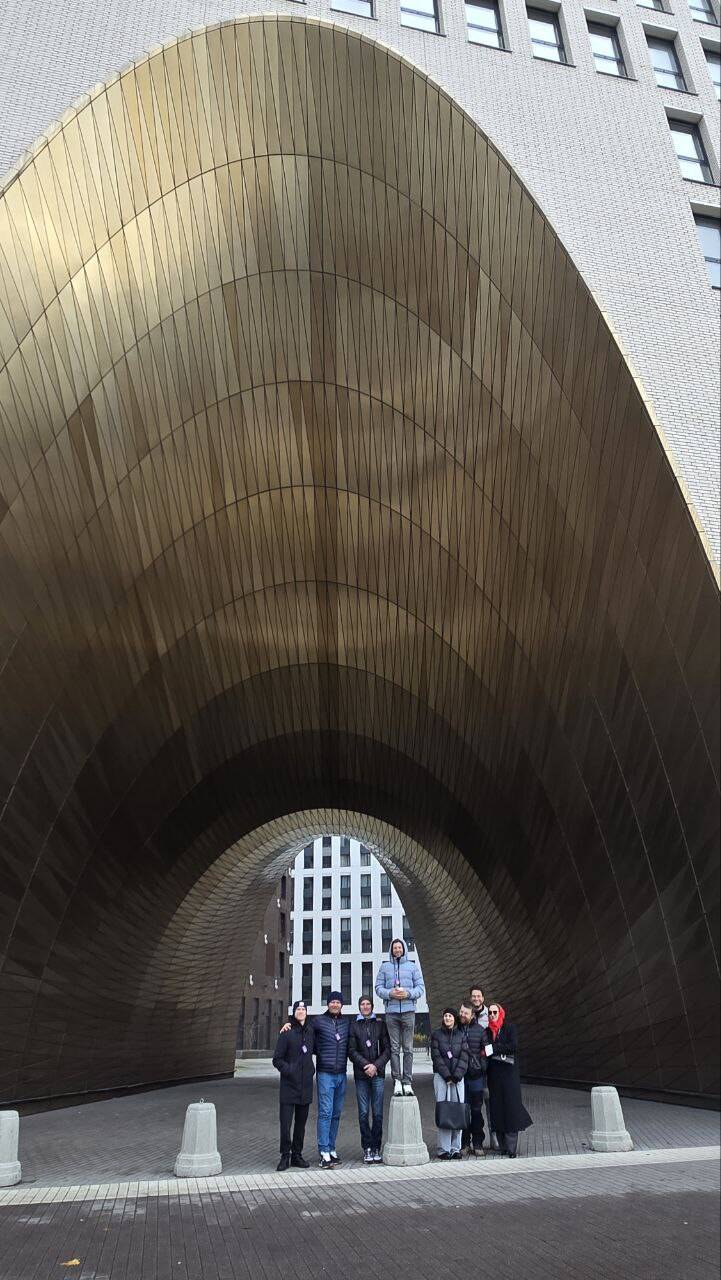
Of course, the route couldn't miss the House with the Golden Arch—perhaps Zilart's most famous landmark. It was designed by the architectural firm Tsimailo, Lyashenko & Partners, and it was here that the group took photographs. Afterward, the walk took the participants to the Marc Chagall Embankment.
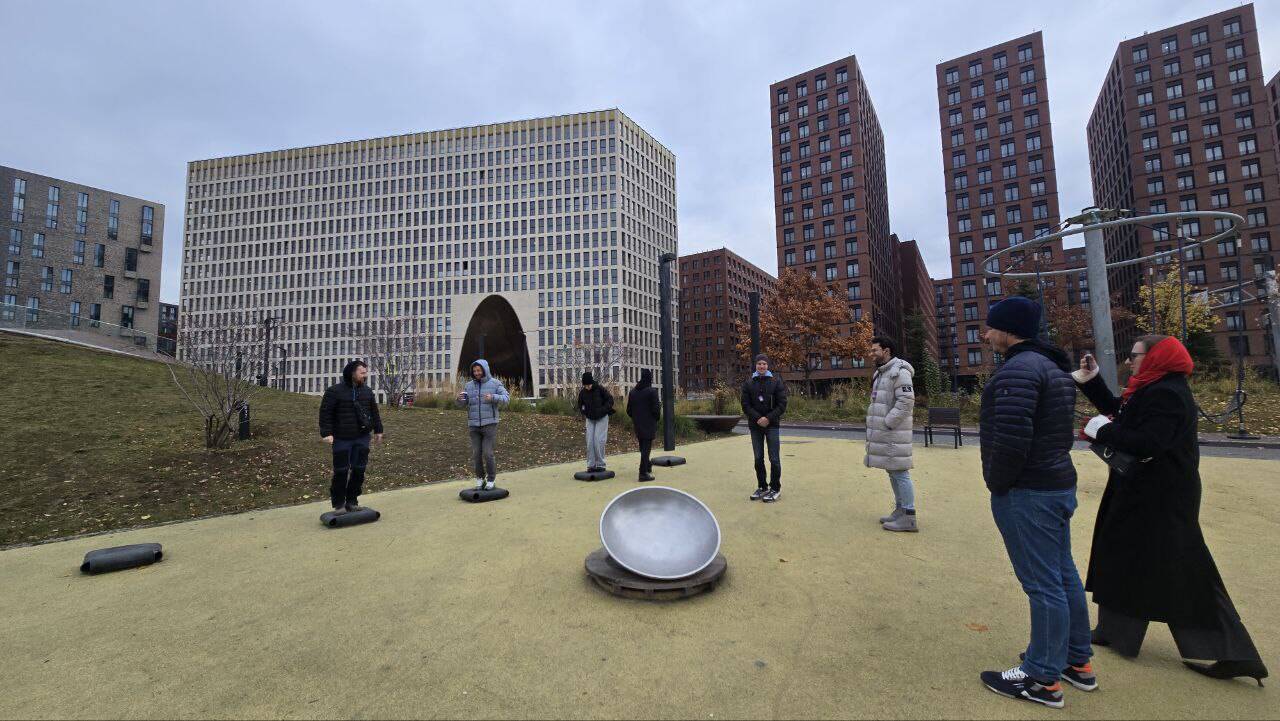
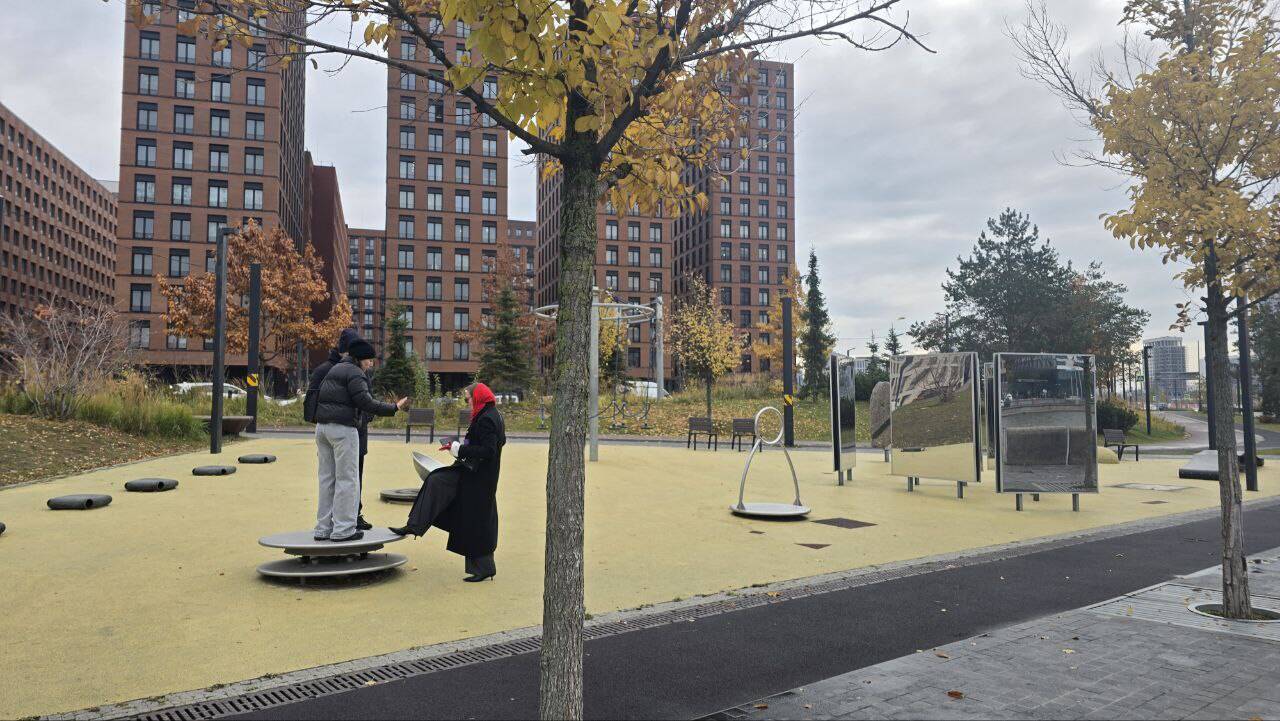
On the embankment, the conversation expanded beyond residential facades: there are various options for urban recreation, including playgrounds. Some of them were designed by foreign architectural firms. The group particularly appreciated one playground, which, according to the tour guide, may have been designed by German or Dutch architects—this point should be clarified when preparing the publication to avoid factual errors.
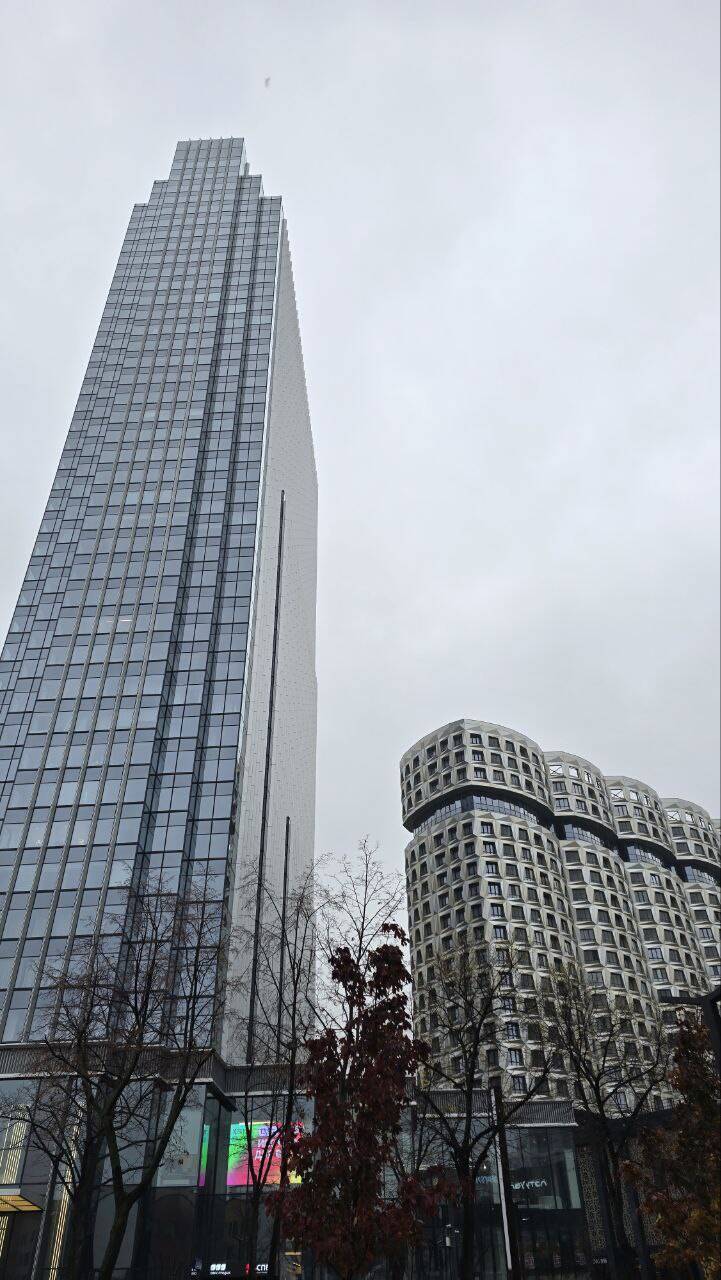
Along the route, we also visited some of the area's most notable landmarks: the Diamond House, the tower, and the Comet House—further examples of how diverse contemporary architectural thought can be within a seemingly unified project.
How history manifests itself in form and material
This tour allowed us to see how the connection to a place's history is interpreted in different ways: sometimes through explicit images and forms, sometimes through materials, and sometimes through almost imperceptible hints—for example, through the large-scale zigzag of the façade. Zilart demonstrated that modern architecture can be multidimensional and at the same time accessible: you can do more than just stroll through it. on foot, but if desired, one can also live, remaining within contemporary art and the urban environment.
Jerry Van Eyck's pergola and Corten steel
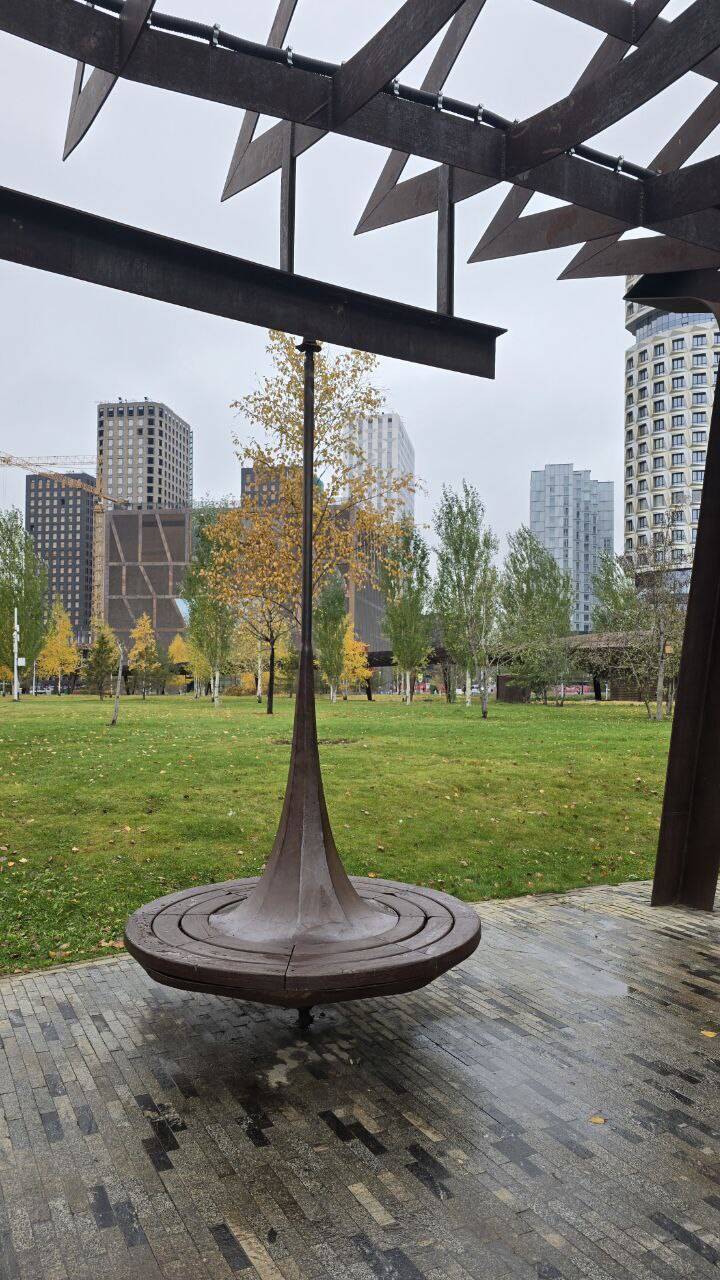
And, of course, in Tyufeleva Roshcha, the participants discussed the park's design. The pergola designed by Dutch architect Jerry van Eyck attracted particular attention. The metal structure, reminiscent of both a caterpillar track and a factory conveyor belt, sets the theme for the use of Corten steel in many of the neighborhood's buildings. This detail unexpectedly connects the park to the area's industrial heritage and helps us see how the material is becoming part of the neighborhood's overall artistic language.
You can also book excursions "Architecture “Moscow style”", "Customizable dream excursion" and others.
We had a corporate group of 10 people. Our guide was Anton, and we had a tour of Bulgakov. I would like to point out the excellent organization; everything went smoothly. The managers were very accommodating to our changes in the number of participants. The bus was very comfortable. Anton is a super-engaged and motivated guide.
He lives this story and takes great pleasure in sharing his knowledge and creating impressions.
Everything went well. I recommend it!
Note: Review of the excursion Zamoskvorechye with guide Maria
Note: Review of the tour "Modern Residential Complexes, Factory Past, and Avant-Garde" around the ZILART residential complex with guide Maria. prepared and conducted a tour based on an individual request for employees of the development company GC "Samolet"
Note: Review on corporate excursion "The Heart of the Capital" with guide Maria
Note: Review of the excursion "The Soul of Moscow" with guide Maria
Note: Review of the excursion Palace Dungeons with guide Maria
I'd like to express my gratitude and that of my supervisor for organizing the tour! We were very pleased.
We would like to repeat this in October, but on a different route – ZIL.
Note: This is about a tour for developers of the Samolet Group of Companies, conducted by guide Maria.
Was on excursions along Sukharevskaya Square - we reached Tsvetnoy Boulevard, I didn’t expect it to be so interesting!
For those who are in doubt whether to go or not - go, it really has become one of the cool summer memories!!!
Thank you and Masha for yesterday!
The speakers are happy. The connection in the headphones often failed, especially at the checkpoint, but this is our current life situation. It was audible if they were standing close, no further than 1.5 meters. Colleagues have already asked for your contacts. I will gladly share and will be glad to have a new opportunity to work with you. Special thanks to the Director for the Bureau
Note: excursion "Heart of the capital» for participants of the Moscow Oncology Forum 2025. Guides - Anastasia and Maria
It was very interesting to hear how the Krasnaya district developed. Presni, how Prokhorov's figure influenced the development of our city. A pleasant dive into a quiet, previously unexplored area!
Note: we are talking about the excursion with the guide Anton
There was a great tour of the area. Patricks.
We learned a lot of new things. Anastasia is a master of her craft. The tour was exciting, not boring at all, lively and interesting. Everyone was satisfied. Full of new impressions. I definitely recommend it. You will be satisfied!
Overall, this wasn’t the first time I’ve walked around Moscow with Anton, and each time it was a real adventure!
I wanted to express my gratitude once again for the wonderful excursion on Saturday - we really enjoyed the walk, the information and the communication with you, then we discussed for a long time what everyone remembered and what struck them. It would seem that you have lived in Moscow all your life, there was Moscow studies at school, but it turns out that you still don’t know so much!! In general, thank you very much, my mother said it was the best gift for her birthday!
Note: this is about the excursion "Soul of Moscow«
I will definitely recommend this company to my friends and we will use its services ourselves.
Excellent organization of excursions, all wishes were taken into account, punctuality at the highest level
Note: Review of the excursion-performance, which the guide Alexander specially developed as part of the order "Dream Tour".