gorodskaja-povsednevnost
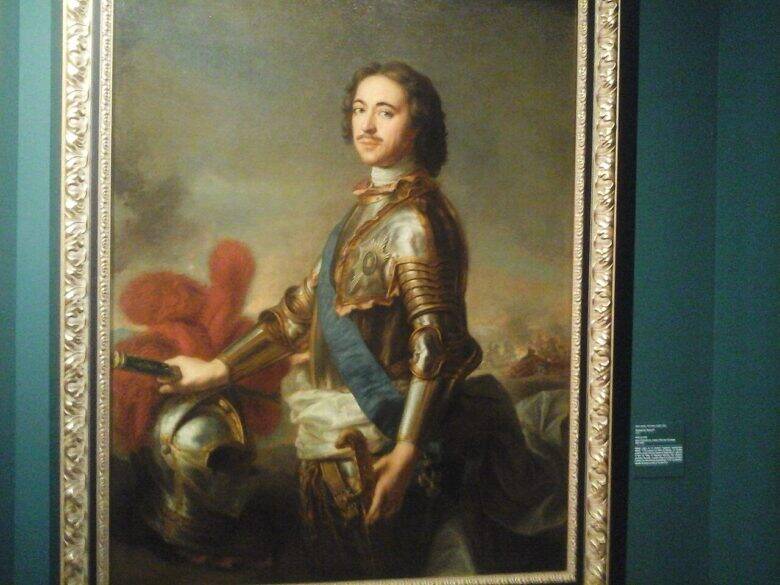
New Year under Peter I: why evergreen branches at the gates were not an indoor Christmas tree
Peter I’s New Year decree of 20 December 1699 declared 1 January the start of the year 1700 and ordered Moscow’s streets to be decorated with conifer trees and branches. The decorations were intended for gates and the exteriors of houses. The decree did not require decorated Christmas trees to be placed indoors: that custom spread in Russia later, in the 19th century.
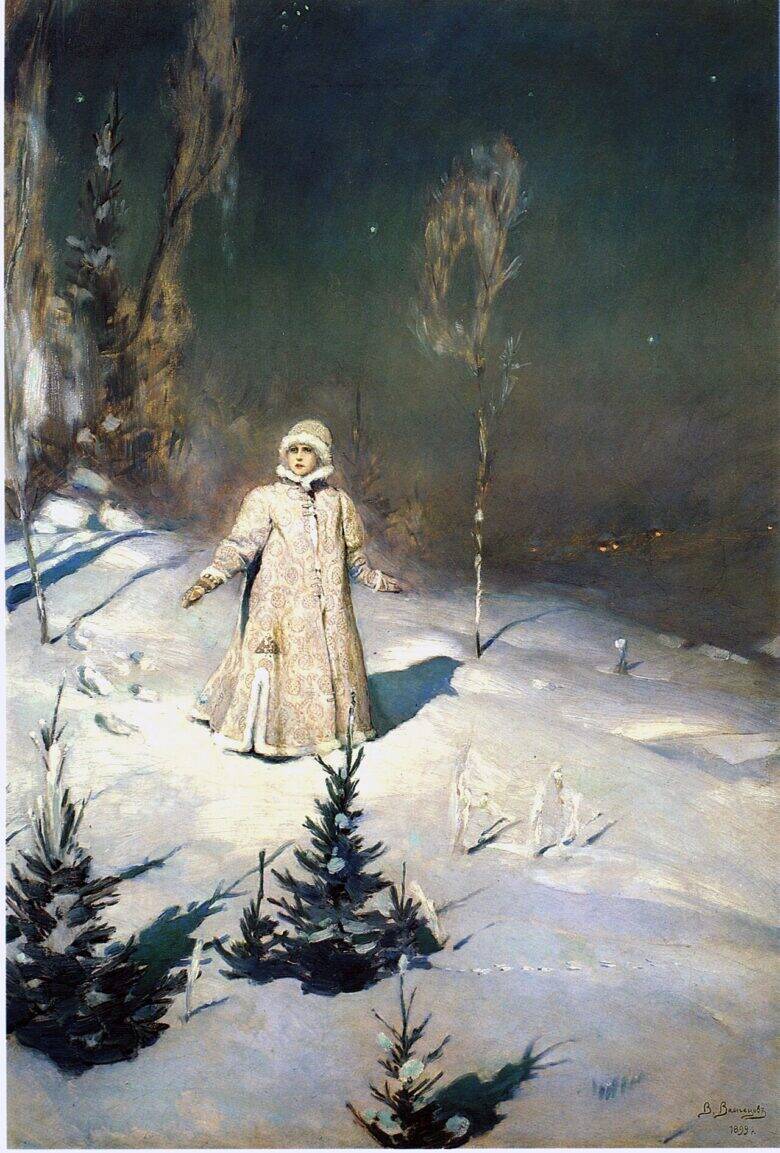
The story of the Snow Maiden: how Ostrovsky’s heroine differs from Father Frost’s granddaughter
Ostrovsky’s Snegurochka is the daughter of Frost and Spring the Fair in his 1873 play. She longs to learn how to love and perishes in the sun’s rays. The festive Snegurochka is Ded Moroz’s granddaughter and his helper at New Year celebrations. These roles emerged at different times: this family relationship already appeared in literature in the early 20th century, while the character bec…
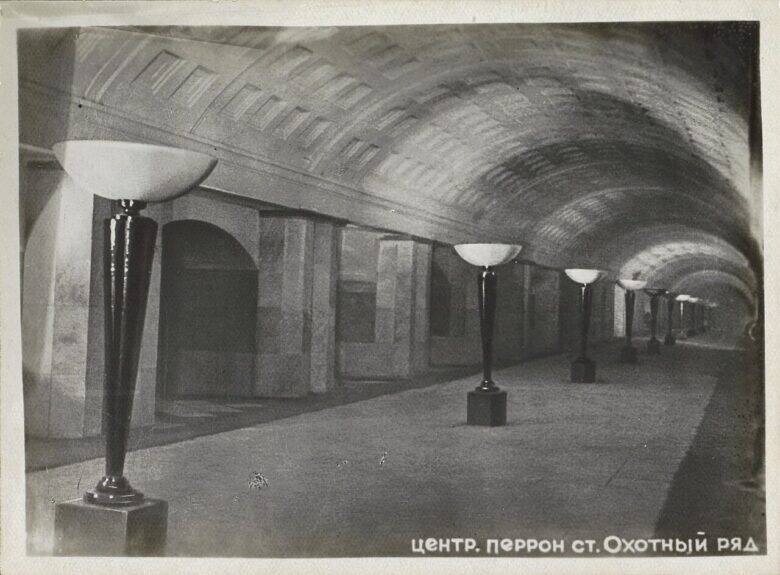
The 1935 Metro map: where the branch at Okhotny Ryad led
On 15 May 1935, trains began running from Sokolniki through Okhotny Ryad to two termini: Park Kultury and Smolenskaya. The passenger map in a 1935 booklet shows this service pattern. The city's transport portal describes it as the first Moscow Metro map regarded as official. The map alone cannot establish why the builders chose the route towards Arbat.
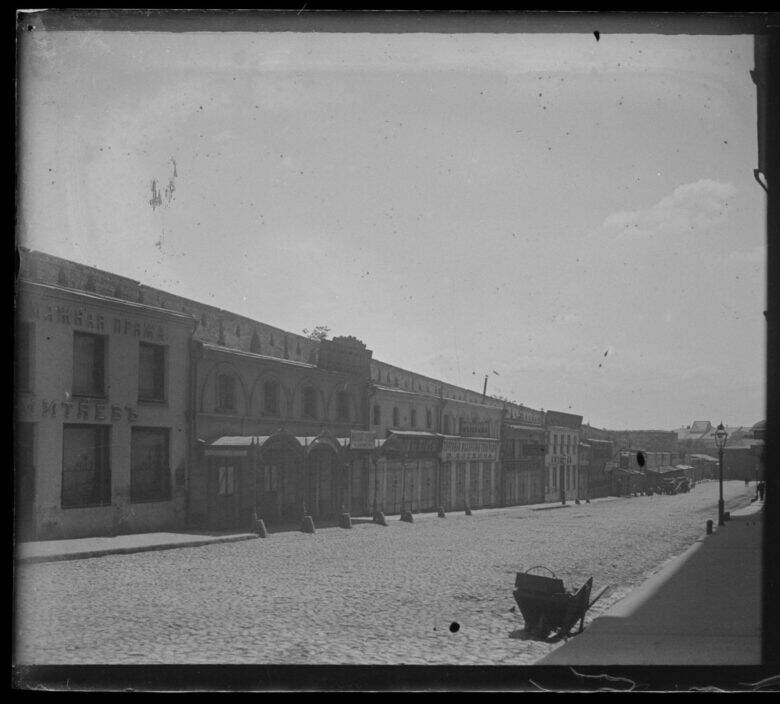
Tolkuchy Market: why the fire of 1881 did not put an end to trade
The fire of 1881 almost completely destroyed Pashkov Courtyard on what is now Novaya Square, but Tolkuchy Market beside the Kitay-Gorod wall continued to operate. Vladimir Gilyarovsky recalled lively trading in the mid-1880s, while the historian Pyotr Sytin dated its move to Sadovniki to 1899. The fire, the redevelopment of one property and the relocation of the entire second-hand market were separate events: 1881 cannot be describe…
From Horse-Drawn Trams to Electric Trams: How Moscow Reshaped Its Urban Transport Network
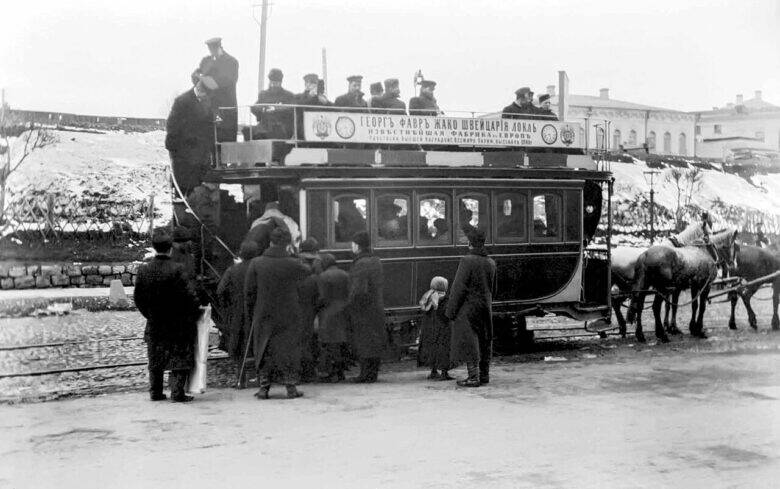
Moscow’s horse-drawn trams continued carrying passengers after electric trams appeared in 1899: the last horse-drawn services disappeared only at the turn of 1911–1912. This delay cannot be explained simply by residents being accustomed to travelling slowly. The capital already had an extensive horse-drawn tram network with different owners, carriages and depots; replacing it meant buying out the lines, rebuilding the infrastructure and supplyi…
How Vasilyevsky Spusk took shape: the bridge, demolitions and the fate of Moskvoretskaya Street
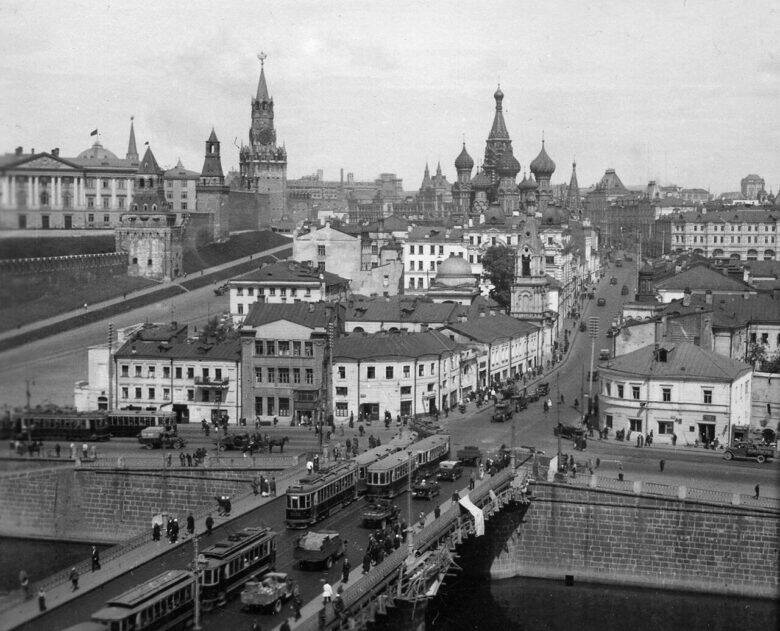
Vasilyevsky Spusk took shape in stages. In the 1930s, parts of the former square beside the Cathedral of the Intercession on the Moat, Maslyany Lane and the western side of Moskvoretskaya Street were cleared for the new Bolshoy Moskvoretsky Bridge. Yet an archival photograph from 1938 still shows houses standing beside the bridge, which was already in use. The neighbouring built-up areas were redeveloped later too, including d…
Patriarshy Bridge: How the Route to Yakimanka Was Built in Two Phases
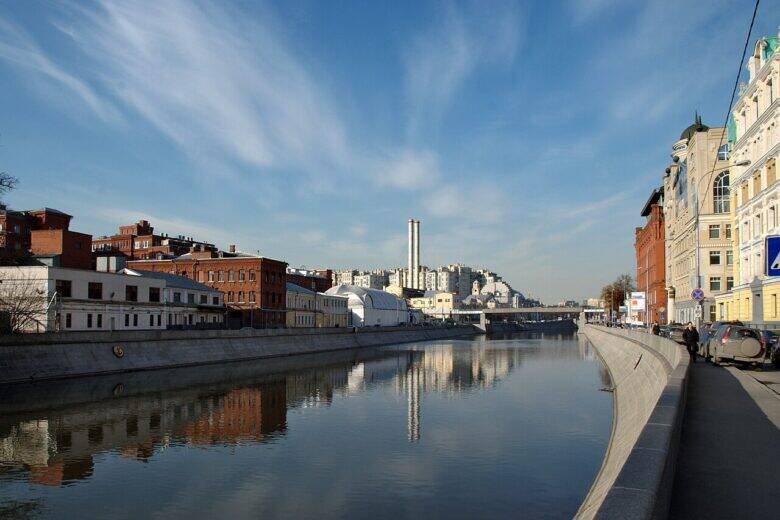
The history of Patriarshy Bridge is the story of a pedestrian link built in two phases across two separate waterways. In 2004, the crossing from the Cathedral of Christ the Saviour spanned the Moskva River and reached Bersenevskaya Embankment on Bolotny Island. In 2007, the route was extended across the island and the Vodootvodny Canal: only then did a continuous route from the Prechistenka side to Yakimanka take…
‘Until the Cranes’: Breakfast at the Slavyansky Bazar
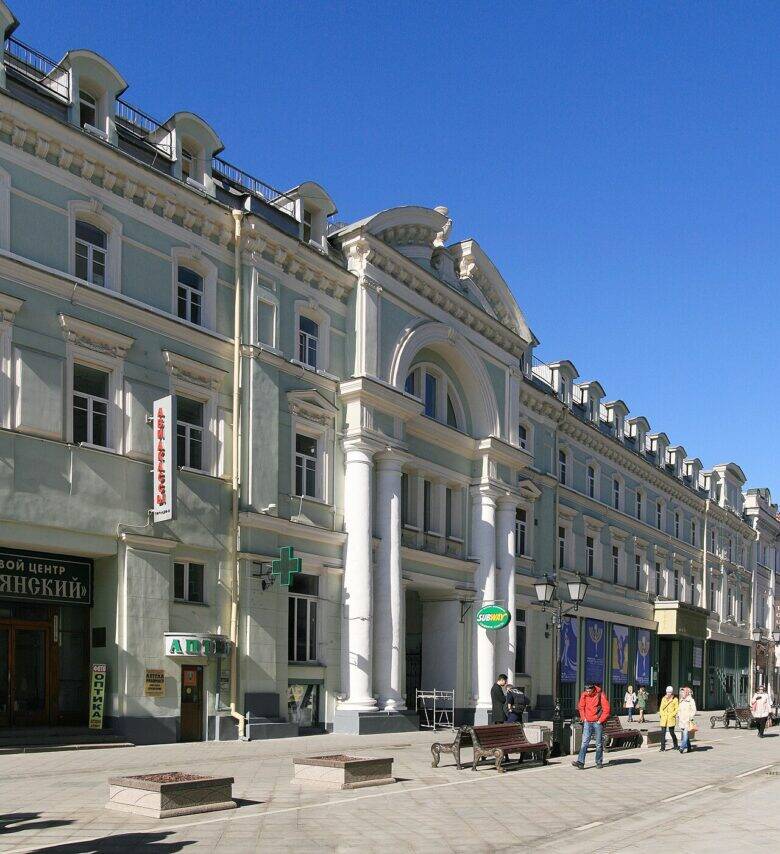
The expression ‘to breakfast until the cranes’ referred to Moscow’s Slavyansky Bazar restaurant on Nikolskaya Street, where ‘cranes’ was the name given to a sealed decanter of cognac decorated with images of the birds. Once the bill was paid, the guest kept the decanter. This detail helps explain how a lengthy meal became an extension of business negotiations and a display of wealth.
Khitrovka Market: how a market square became a labour exchange
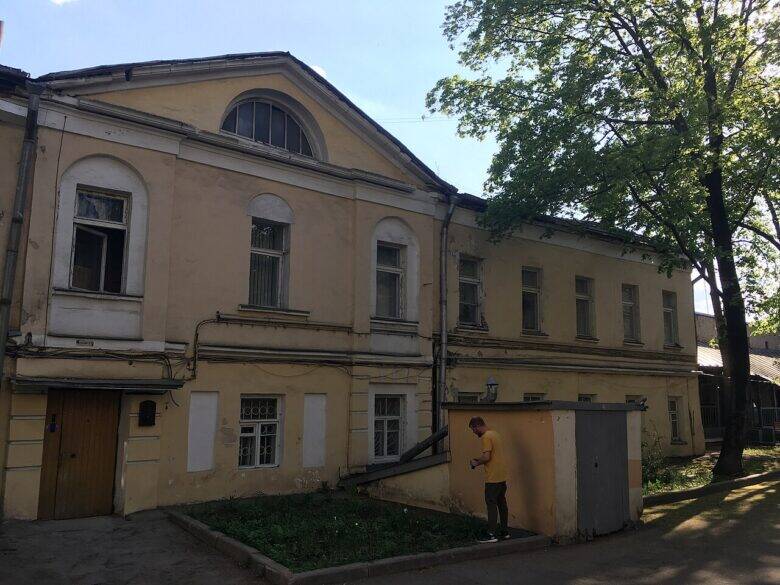
Khitrovsky Market began in the 1820s as a market square with rows of meat and vegetable stalls. In the second half of the 19th century, workers arriving in Moscow began to be hired here, while cheap lodging houses opened in neighbouring buildings. Its reputation as a Moscow slum grew out of this close connection between the search for work, accommodation for people with no fixed abode and the criminal underworld. Building re…
Why Vorobyovy Gory Station Was Closed for 19 Years and How the Metro Bridge Was Rebuilt
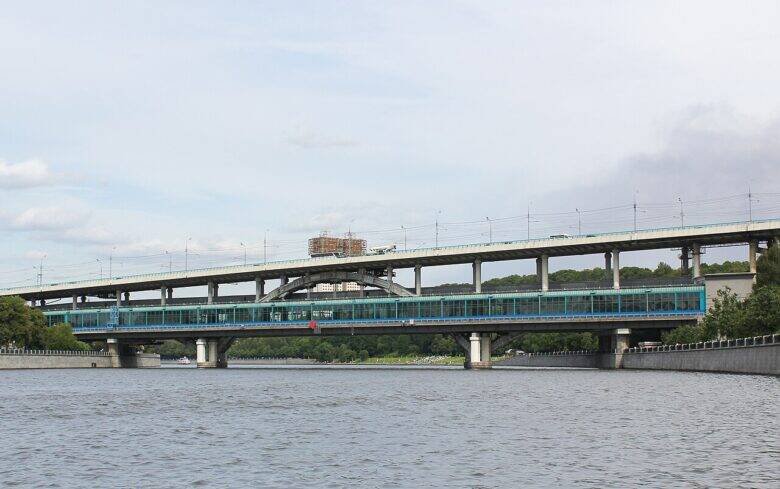
Vorobyovy Gory metro station closed to passengers on 20 October 1983 because the Luzhniki Metro Bridge was structurally unsafe. Following reconstruction, it reopened on 14 December 2002. The phrase ‘19 years of closure’ refers to passengers boarding and alighting at the station. For most of that period, trains on the Sokolnicheskaya line continued to cross the Moskva River: first through the empty station hall, and later on b…
Why Mosfilm moved from Zhitnaya Street to Potylikha and how the tram arrived there
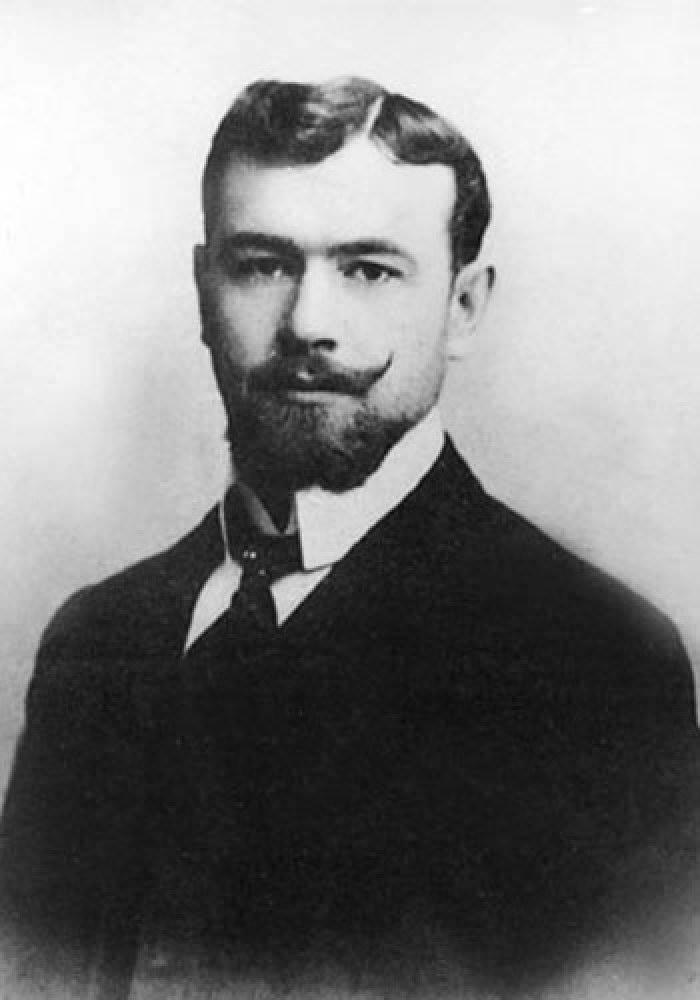
Mosfilm moved from Zhitnaya Street to Potylikha because its old premises could no longer accommodate its growing film production. The new site made it possible to bring shooting stages, workshops, warehouses and editing facilities together in a single complex. But the extra space came with a daily difficulty: reaching the film production centre on the outskirts was a challenge. Beyond the studio gates, transport access still had to be provided after the filming build…
The History of GUM: Why Fashion Shows Began After the Store Opened
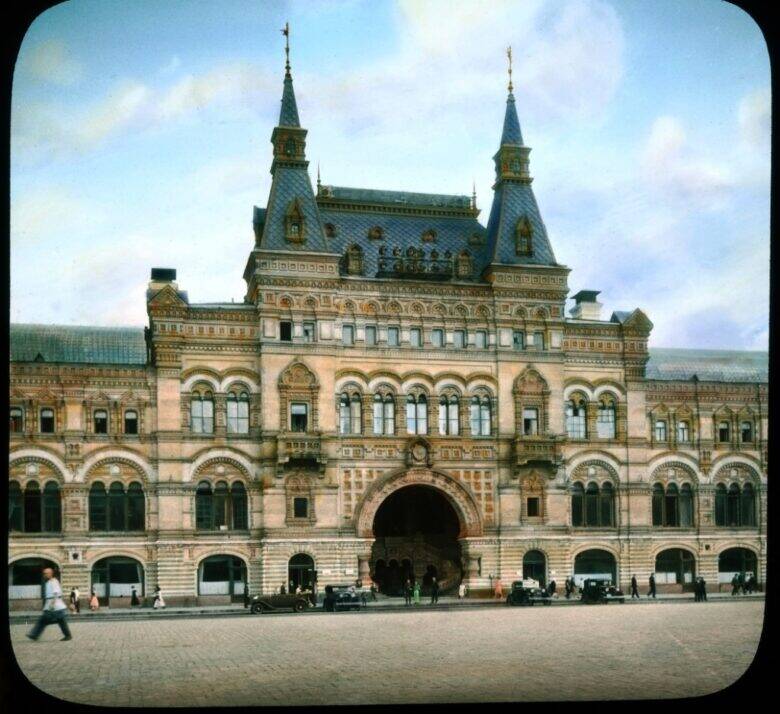
GUM’s Demonstration Hall on Red Square, on the third floor of its first arcade, has served several different audiences. Before the revolution, it hosted shareholders’ meetings and concerts. In the 1930s, it served as a private club; after the building returned to retail use, it became a venue for fashion shows. The store opened to the public in December 1953, but regular fashion shows in the hall did not begin until Septe…

How Moscow taverns differed from restaurants — and who frequented each
In legal terms, the taverns and restaurants of pre-revolutionary Moscow formed part of the same licensed hospitality trade at the turn of the twentieth century. In everyday life, Muscovites distinguished between them by their reputation, cuisine, the staff’s attire, prices, opening hours and the arrangement of their dining rooms. A signboard indicated neither the price level nor the social class of the clientele: an expensive Ru…

Tolstoy and Poverty in Moscow: What He Saw During the 1882 Census
Leo Tolstoy and the 1882 Census — the story of how a ready-made scheme to help the poor collided with the realities of life in the Rzhanov House. His rounds showed that giving out money did not address the causes of poverty, and that a benefactor knew little about the people whose destinies he intended to determine. Over the next several years, Tolstoy transformed this failed endeavour into an exploration of personal r…

Moscow’s Tenement Houses: How to Read Their Façades, Courtyards and Everyday Life
Moscow’s late 19th- and early 20th-century tenement buildings were constructed specifically to generate a steady rental income. The cost of the land, financing, the mix of flats, ground-floor retail, the work of the property manager and domestic staff, plumbing, heating and the layout of the courtyard all shaped the business model of such a property.