Russia has given the world great writers and poets whose works have become pearls of world literature. Their work reflects the soul of the people, the history and culture of the country. We invite you to fascinating excursions to places associated with the life and work of these outstanding authors. Learn more about the Moscow of Pushkin, Yesenin, Bulgakov and Gilyarovsky, following routes that bring their stories to life and create the atmosphere of the classics' eras.
Articles about writers and poets of Russia

Three Demons in the Fomenko Workshop's Production: What Their Names Mean
In the programme for the Pyotr Fomenko Workshop’s production of ‘The Demon’, the title role is shared by Yuri Butorin, Sergei Sutyagin and Ivan Vakulenko. Each actor is assigned one of three descriptions from Lermontov’s poem: ‘sorrowful’, ‘pure cherub’ and ‘ready to love’. The poem depicts the protagonist’s present life in exile, his memories of his heavenly past and the moment when he enters Tamara’s cell hoping for a new life. These word…
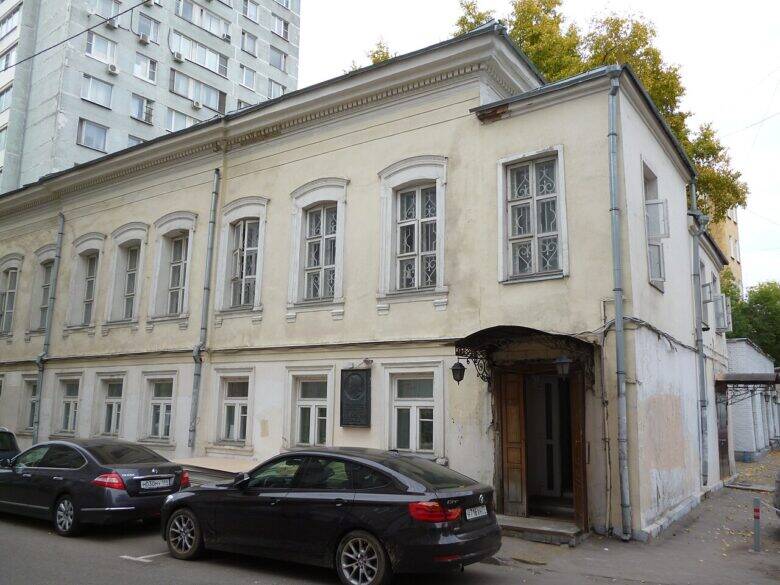
Nashchokin’s Little House: What It Tells Us About Pushkin’s Friend
Nashchokin’s Little House is a miniature replica of the Moscow flat of Pavel Voinovich Nashchokin, a friend of Alexander Pushkin. Its furnishings offer a glimpse of card games, music and dining in the 1830s. The Pushkins’ flat at 53 Arbat Street was in a different building. The poet’s letters, museum inventories and later illustrations help establish exactly what the miniature has preserved.
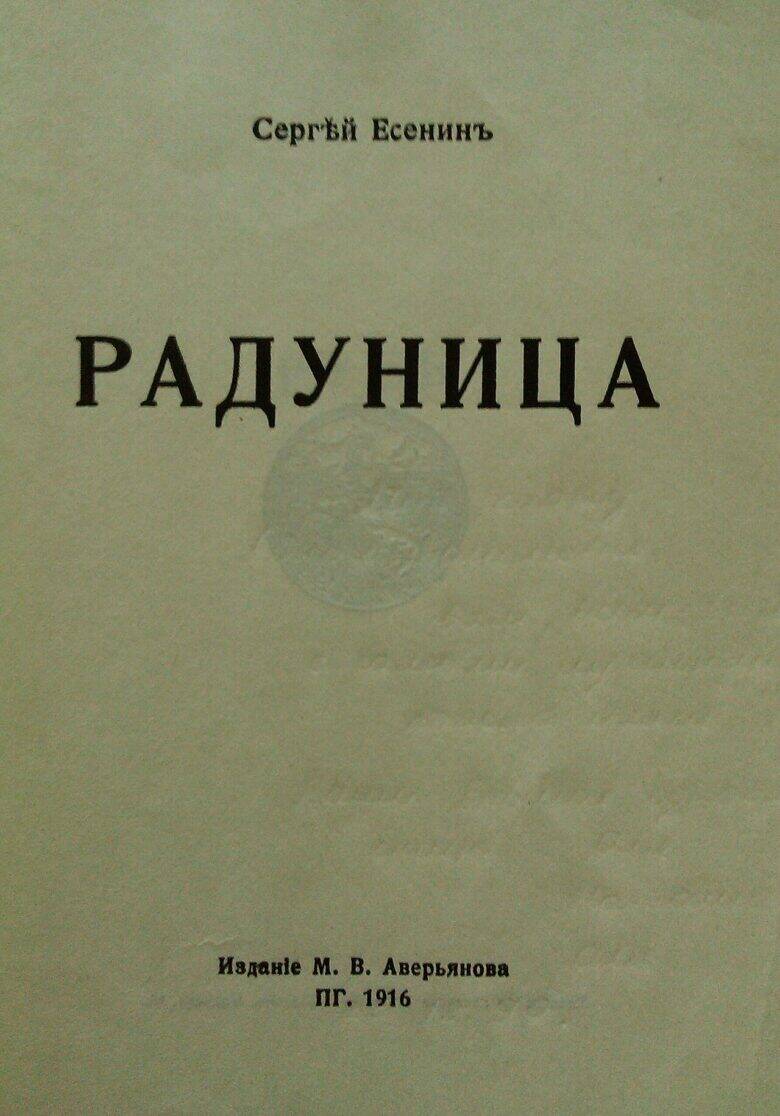
Yesenin and Imaginism: What the Books of the Cooperative and the Imaginists Reveal
The publishing cooperative managed by Sergei Yesenin was founded in Moscow in the autumn of 1918; Moscow Imaginism took shape as a literary group at around the same time. The connection between them lies in the poet himself, his work in publishing and the bookshop on Bolshaya Nikitskaya Street. Yet the surviving books point to distinct publishing imprints and programmes. To avoid conflating them, we need to exam…
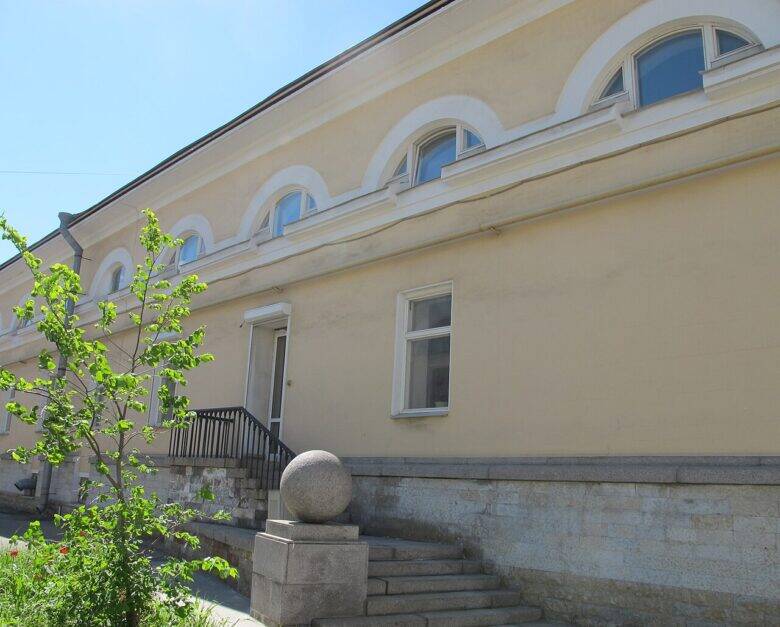
‘Gift in Vain, Gift of Chance’: how Pushkin responded to Philaret
The poetic dialogue between Pushkin and Philaret, Metropolitan of Moscow, began with ‘Gift in Vain, Gift of Chance…’, written on 26 May 1828, continued with Philaret’s response after its publication, and concluded with Pushkin’s ‘In Hours of Amusement or Idle Boredom…’ in January 1830. The central shift is evident in the words themselves: a question about the pointlessness of life becomes a reflection on personal responsibility, while the final poem t…
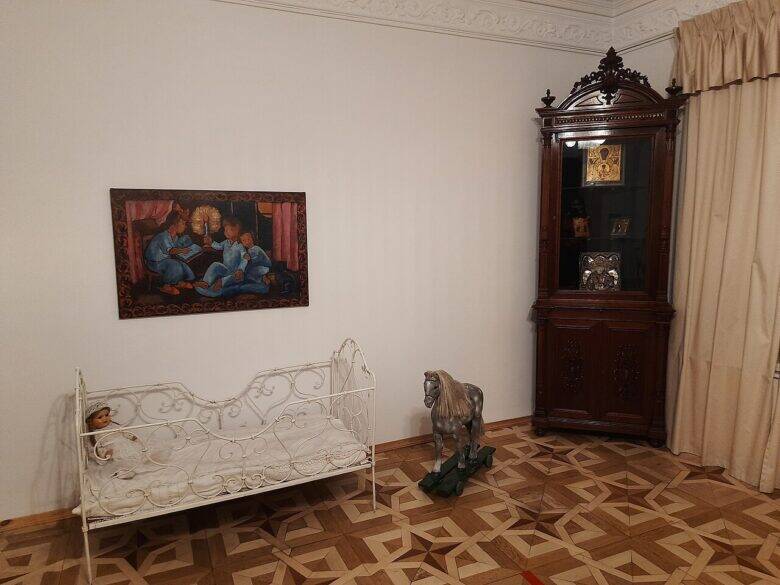
How Marina Tsvetaeva’s Flat Became a Communal Flat
Marina Tsvetaeva’s flat No. 3 at 6 Borisoglebsky Lane became a communal flat gradually. After 1917, the family first lost its former sources of income and reduced the space they occupied; by the final year before the poet’s emigration, other people were already living on the upper level. After Tsvetaeva left with her daughter in May 1922, all the flats in the building became communal. Museum documents and descriptions…
“It’s a Family Affair”: Publication in 1850 and the First Productions
Alexander Ostrovsky’s comedy ‘It’s a Family Affair — We’ll Settle It Ourselves!’ was published in full in Moskvityanin in 1850. The Irkutsk theatre staged it in 1857, while the ban was still in force; the Imperial Theatres received permission to stage an abridged version only in 1860 and presented it in 1861. The original version returned to the Moscow stage with official approval in 1881. The years of publication, the first public perfo…
Where Pushkin and Goncharova were married in the unfinished Church of the Great Ascension
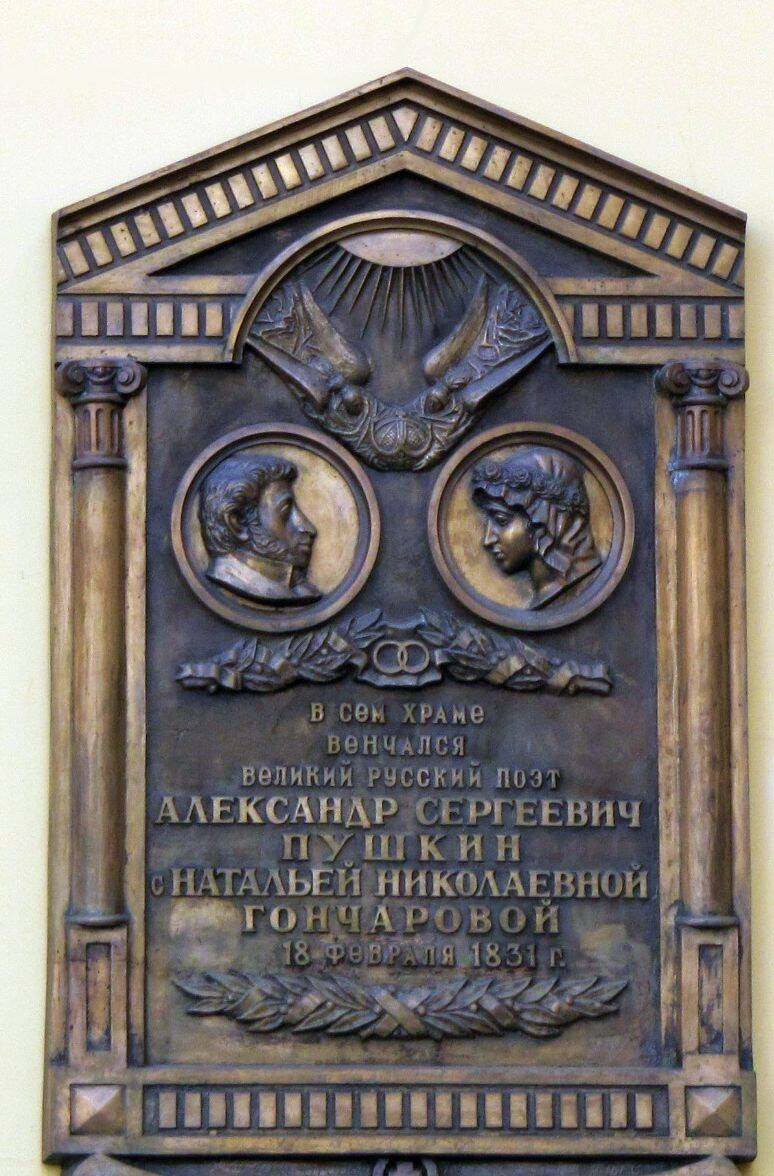
Alexander Pushkin and Natalia Goncharova were married on 18 February 1831 in the parish of the Church of the Greater Ascension at Nikitsky Gate. The new church was still under construction at the time, but its refectory, with two side chapels, had been in use since 1816; the official description places the wedding ceremony in this part of the church. One heritage protection document places the ceremony in the…
Herzen House and ‘Griboyedov’: What Bulgakov Invented for MASSOLIT
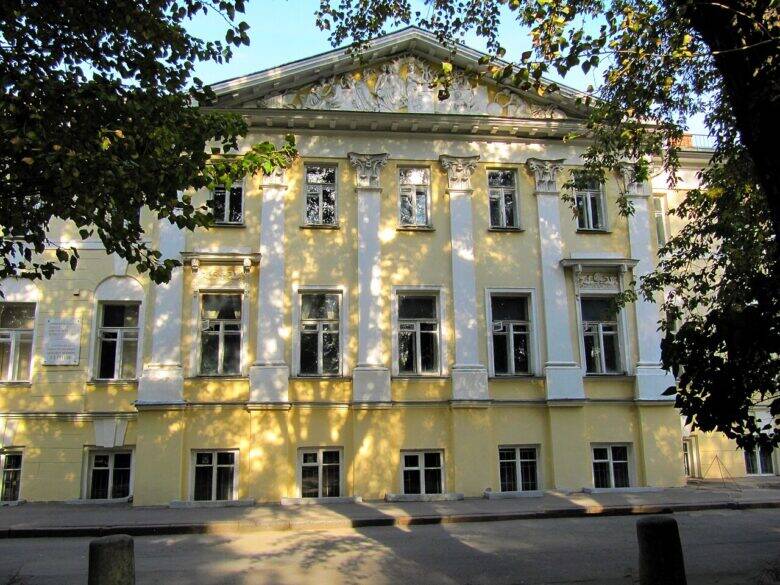
Griboyedov House in The Master and Margarita has a recognisable Moscow model: the estate known as Herzen House at 25 Tverskoy Boulevard. Bulgakov retained features of the real building and its literary use, but invented MASSOLIT, the story about the playwright’s aunt and the system of privileges portrayed in the book. Comparing the fictional scene with the estate’s history helps reveal where documentary evidence ends and satire begins.
The story of the Snow Maiden: how Ostrovsky’s heroine differs from Father Frost’s granddaughter
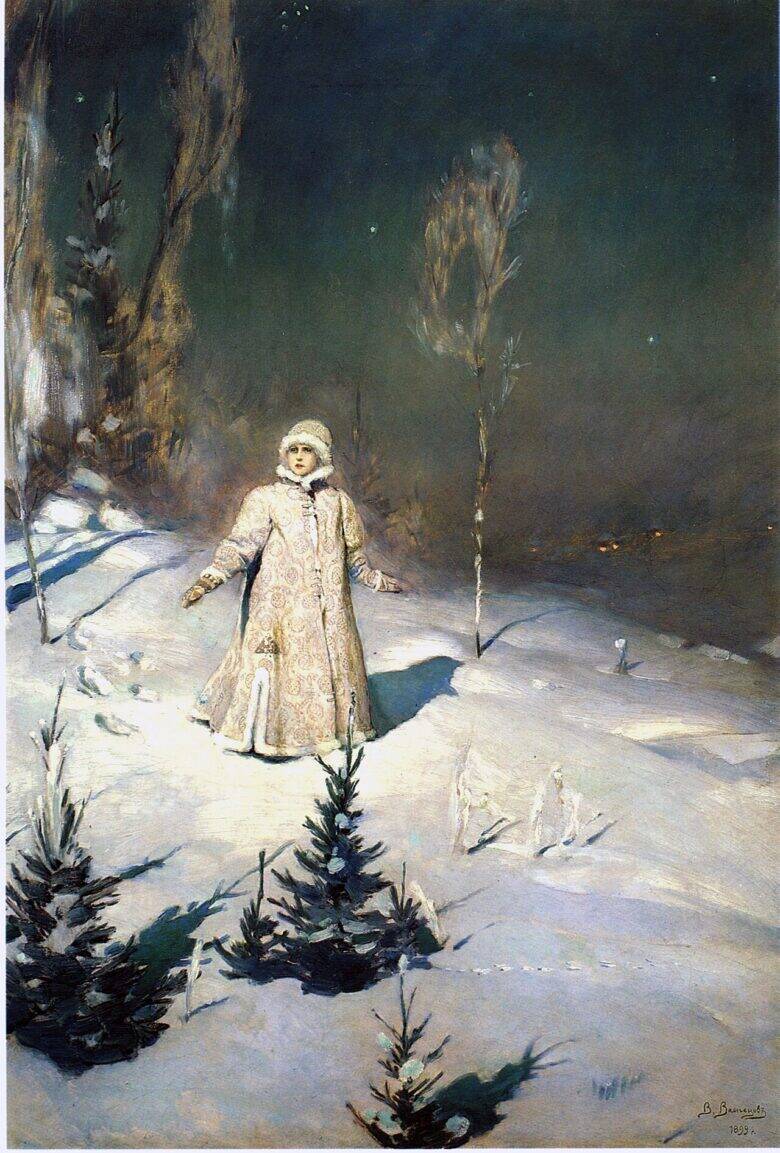
Ostrovsky’s Snegurochka is the daughter of Frost and Spring the Fair in his 1873 play. She longs to learn how to love and perishes in the sun’s rays. The festive Snegurochka is Ded Moroz’s granddaughter and his helper at New Year celebrations. These roles emerged at different times: this family relationship already appeared in literature in the early 20th century, while the character bec…
Pushkin’s ‘The Commander’: the 1835 draft, the 1836 publication and the autograph manuscript in an album
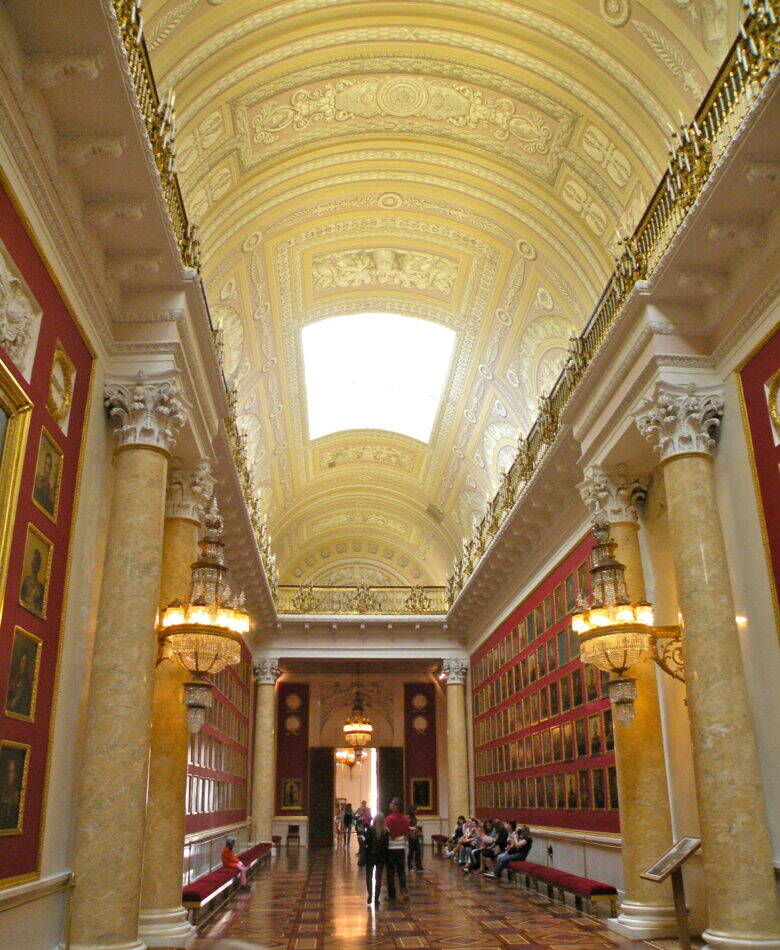
Pushkin’s poem ‘The Commander’ has three important reference points for the reader: the draft bears the date 7 April 1835, the text appeared in Sovremennik in 1836, and the surviving manuscript in the poet’s own hand in an album offers another authorial version. These milestones do not indicate an error in attribution: the first relates to work on the poem, the second to its appearance in print. The alb…
Why the Kumanin family’s Moscow estate is known as Rogozhin’s House
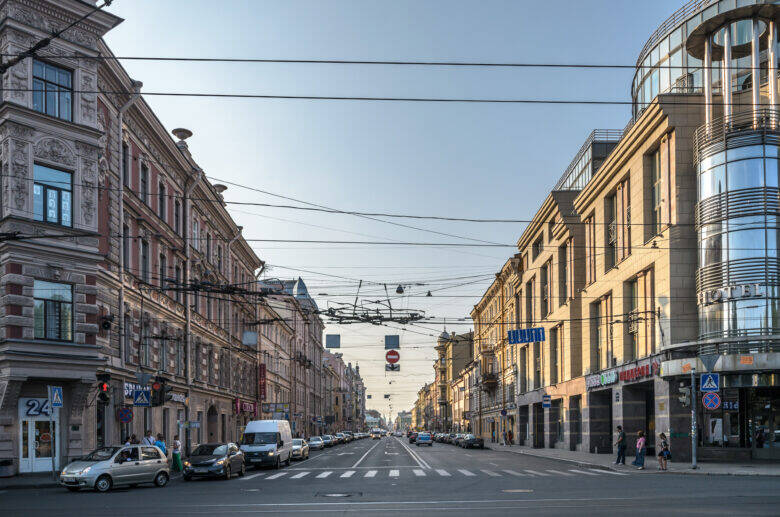
The house at 17 Bolshaya Ordynka is known as the Moscow house of Rogozhin from Fyodor Dostoevsky’s novel The Idiot. The name reflects a theory that it served as a literary model: the character’s address is on Gorokhovaya Street in St Petersburg. The estate belonged to the writer’s relatives, the Kumanin family; researchers compare its original layout with the description of Parfyon’s home. The present-day Moscow façade cannot be regarded as a literal depiction of the hou…
Pushkin and Goncharova’s first meeting: why the date and venue of the ball are disputed
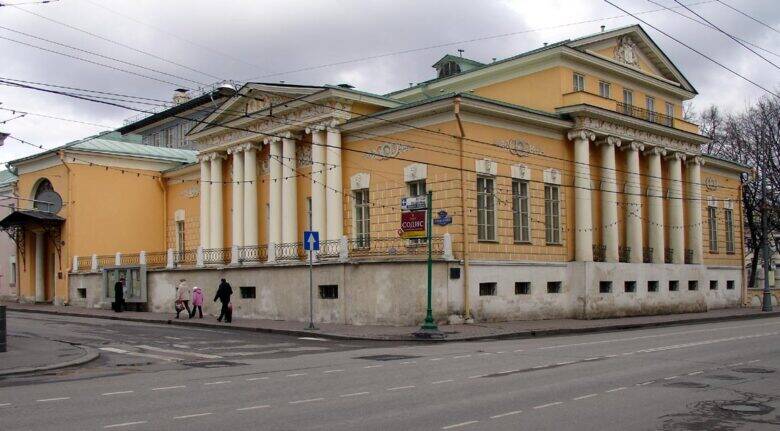
When did Pushkin first meet Natalia Goncharova? One museum publication dates their first meeting at Pyotr Iogel’s ball to late 1828, another to spring 1829. Moscow historian Sergei Romanyuk also considers an earlier possibility: 1826–1827. The poet’s letter of 1 May 1829 establishes a firm latest possible date: by that day, they had already met, and Pushkin had received Natalia’s mother’s r…
The State Pushkin Museum: Authentic Objects and Recreated Interiors
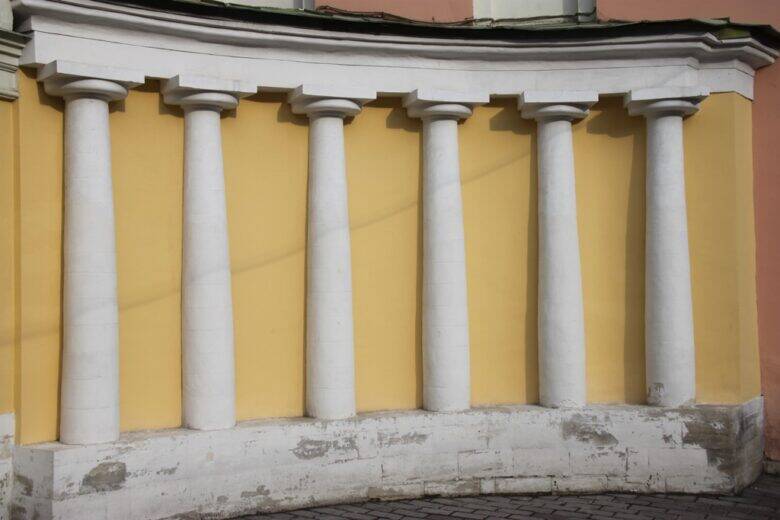
The State Alexander Sergeyevich Pushkin Museum in Moscow presents several kinds of historical evidence: authentic belongings of the poet and his contemporaries, objects from the same period, and recreated interiors. They cannot all be interpreted in the same way. The mansion on Prechistenka retains the architecture of Pushkin’s time, but there is no documentary evidence that the poet visited this house. Pushkin’s Memorial Apartment on Arbat is in the house where…
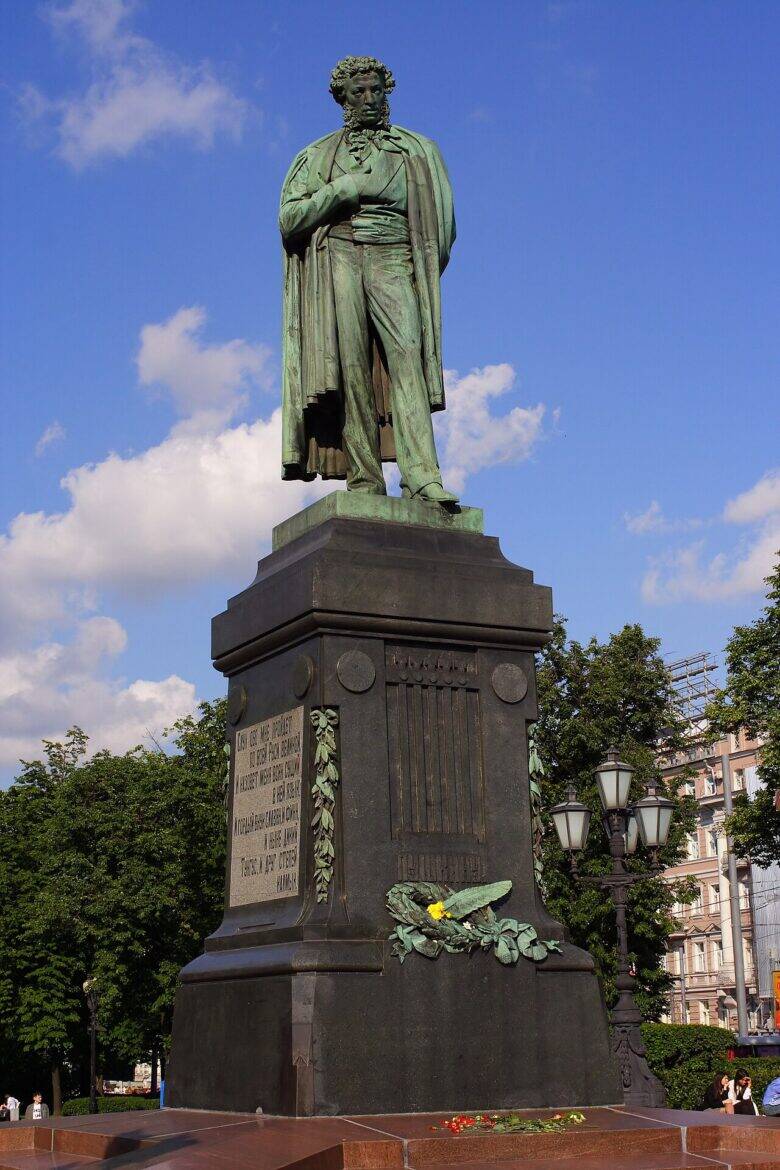
Why did the unveiling of the Pushkin monument in 1880 become a literary event?
The monument to Alexander Sergeyevich Pushkin in Moscow was unveiled on 6 June 1880 according to the Old Style calendar (18 June New Style). The unveiling near the entrance to Tverskoy Boulevard was followed by public readings and meetings at which writers debated the poet’s significance. Dostoevsky delivered his speech on Pushkin on 8 June Old Style, two days after the ceremony.
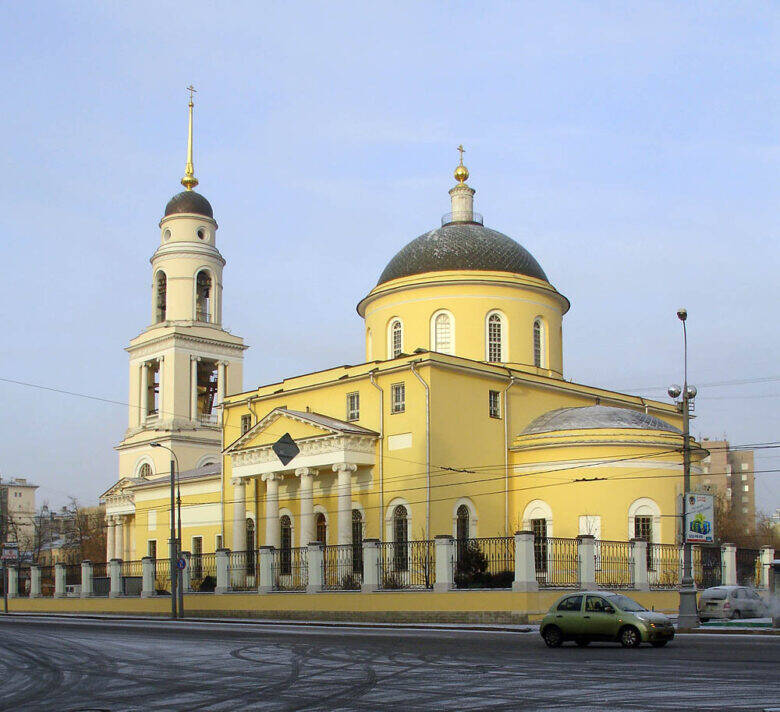
Where Pushkin and Goncharova Were Married: Documents on the Church of the Great Ascension
Pushkin and Natalia Goncharova were married in the Church of the Great Ascension on 18 February 1831. The main body of the new church by Nikitsky Gate was still unfinished; services were held in the section consecrated earlier. The documents establish the parish and explain the course of construction, but do not establish beyond doubt the exact spot inside the churchwhere the bride and groom stood.
Advantages of individual excursions over group ones
- No one is in a hurry. Take a good look at the sights - they won't leave without you.
- The opportunity to discuss personal impressions and emotions with the guide during the process.
- You hear everything the tour guide says.
- Your photos will not be crowded with other participants.
- An atmosphere of tranquility and privacy.
- A personal guide remembers you, and you remember him. Such moments remain in memory.
- Without loud laughter and inappropriate jokes from other tour participants.
- We pay special attention to the places that interest you. For example, excursions around Moscow about Pushkin or Yesenin.
- The guide doesn't make stops at points of sale (at least we certainly don't)
- There is less strain on your hearing and attention, since the guide is literally right next to you and speaks only for you.
- The excursion can be either educational or easy, depending on your wishes.
- Possibility to adapt the route to your preferences and interests. For example, excursions around Moscow about writers such as Bulgakov or Gilyarovsky.
- At individual excursion you dive deeper.
- Take a break when needed - to rest or take photos.
- Absence of outside pressure.
- All attention is on you. Answers to all your questions.
- Opportunity to gain insight or exclusive information.
- Possibility to visit places closed to large groups.
- You don't have to get up early or come at an inconvenient time. You choose when.
How much more expensive are personal tours than mass tours?
If you are alone or in pairs, then a sum of several thousand for a walking tour of the city or twenty thousand for a car excursion is significant.
But if you're going for a walk with family or friends, the cost for an individual participant approaches one or two thousand - the amount that each person would pay for a group excursion with strangers.
For your group of 8 or more people, the price becomes even lower when calculated per person, making a private tour truly attractive.
***
A mass excursion is tourism, an individual excursion is a journey through the city’s secrets with a personal guide.
The Radius Bureau offers cultural, historical and sightseeing tours of Moscow in Russian and foreign languages. Choose a walking tour or a car tour, or order a custom route. Our guides are stylish and intelligent, without memorized texts.
We organize excursions for two, families and friends, as well as for demanding guests, including journalists and foreigners. Corporate clients such as Yandex and Faberlic trust us to conduct excursions. Of interest are excursions around Moscow about Pushkin, Yesenin, Bulgakov and Gilyarovsky.
Walking, driving, cycling, scootering or boating on the Moscow River are available. We work in Russian, English, German, Spanish and Hebrew.