The novels "The Master and Margarita" by Mikhail Bulgakov and "The Great Gatsby" by Francis Scott Fitzgerald are two significant works of the 20th century. Despite the fact that the American novel is much better known in the world, foreigners also know about Mikhail Bulgakov and his novel. It is no coincidence that the grave of Master Bulgakov is one of the most visited by foreigners at the Novodevichy Cemetery.
The desire to compare the works is especially strong after watching the 2024 film “The Master and Margarita.” This “Master and Margarita” takes a lot from Baz Luhrmann’s 2013 “The Great Gatsby.”
Fantasies and Dreams: How The Master and Margarita Met The Great Gatsby in 2024 Cinema
Let's start with the fact that the times of the films are close: underground jazz parties during the NEP era in "The Master" and pre-depression ones in the American "Gatsby". Moreover, the closed parties of the Union of Writers of the USSR from the film are not fiction at all, Bulgakov himself wrote about them in his diaries. In both cases, this is the time on the eve of great upheavals.
The director of the Russian film was clearly inspired by both the party decor and their context - a singing black woman against literally the same signature backdrops of the partying elite as Luhrmann.
The second scene of the film (one might say the first), the introduction, as in Gatsby, takes place in a psychiatric hospital. In both films, the narrator is a writer who is a patient. The following scenes in both films begin with the turbulent construction of cities - Moscow in The Master and New York in Gatsby. In both, the million-plus cities under construction are the "whales" on which the entire action of the works rests.
In both books, the love of the main characters is someone else's wife. Both believed: Gatsby in the green light, the Master in Jesus and... Woland, who is part of that force that eternally wants evil and eternally does good.
If Bulgakov's book is a story within a story, then Lokshinov's film is a story within a story against the backdrop of a real biography, as well as the fantasy of its authors, which, in turn, develops against the backdrop of a communist monumental fantasy-utopia. In short, "The Master and Margarita" of 2024 is a story within a story against the backdrop of a fantasy within a fantasy.
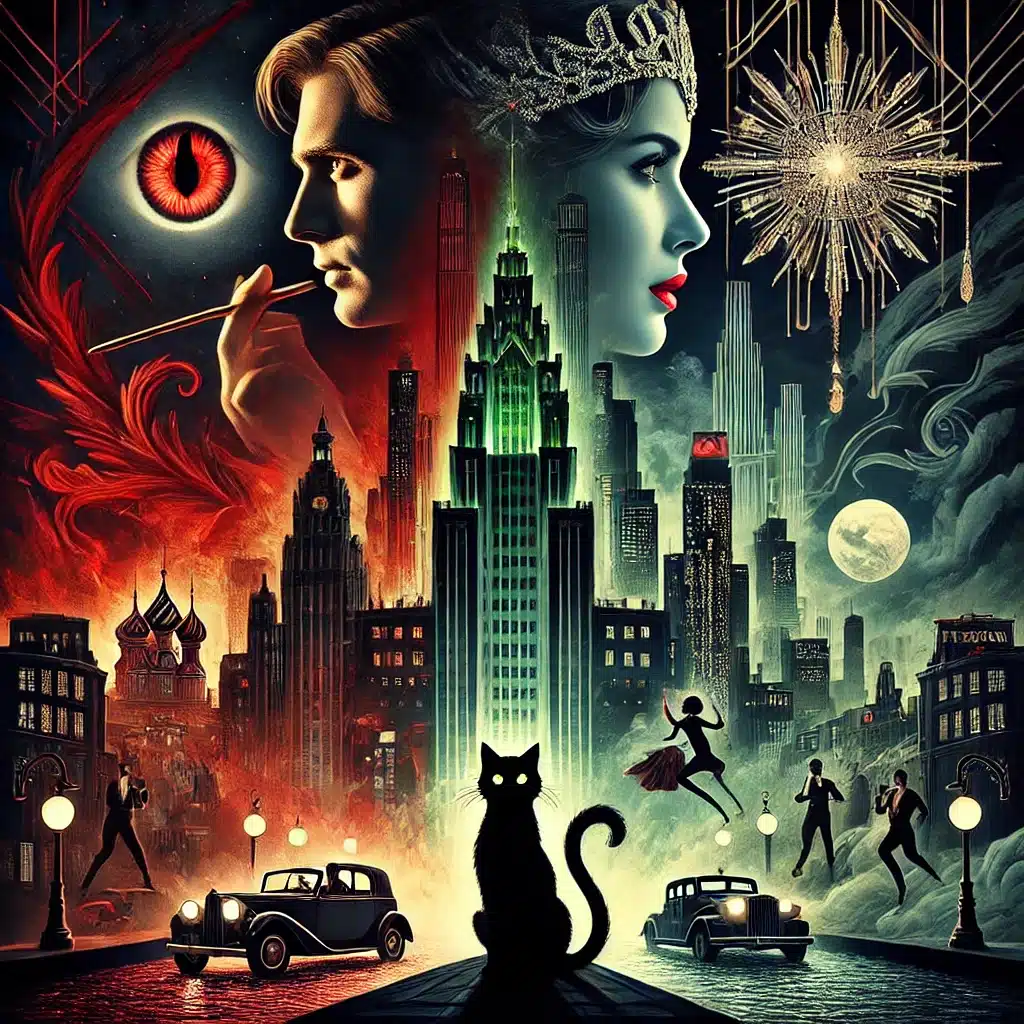
Let's get down to business. But do the original books have anything in common? Yes, they can be compared in several aspects.
Topic
"The Master and Margarita": The main themes are the struggle between good and evil, questions of freedom and power, and moral dilemmas. Bulgakov views the world through the prism of religion, philosophy, and satire, linking Moscow reality with biblical and fantasy plots. Religion and philosophy play an important role in the novel, intertwining with the plot lines and offering reflections on the nature of faith, fate, and truth.
The Great Gatsby: Fitzgerald critically examines the idea of the American Dream, where success is measured by material wealth and social status. Gatsby symbolizes the pursuit of this dream, but also shows its illusory nature. Important themes include illusion and reality, materialism and moral emptiness. Fitzgerald shows how materialism and the desire for external success can lead to internal emptiness and moral decline. Social differences and their impact on the characters' destinies also play a significant role, showing how the rich and the poor live in different worlds, and their interactions often lead to conflict and tragedy.
Main conflict
"The Master and Margarita" (the bureau has excursion of the same name): The main conflict is the clash between reality and fantasy, human weakness and divine intervention. The Moscow scenes, filled with satire, contrast with the philosophical and religious aspects of the story of Yeshua and Pontius Pilate. The Master's personal desire for creative freedom is also an important part of the conflict, especially in the context of the repressive Soviet society.
The Great Gatsby: The main conflict in The Great Gatsby revolves around Gatsby's pursuit of an unattainable dream of love and acceptance. His attempts to reclaim the past and be with Daisy collide with the reality of her choices and social barriers. Gatsby's tragedy lies in his inability to accept reality and realize that his dream is doomed to failure.
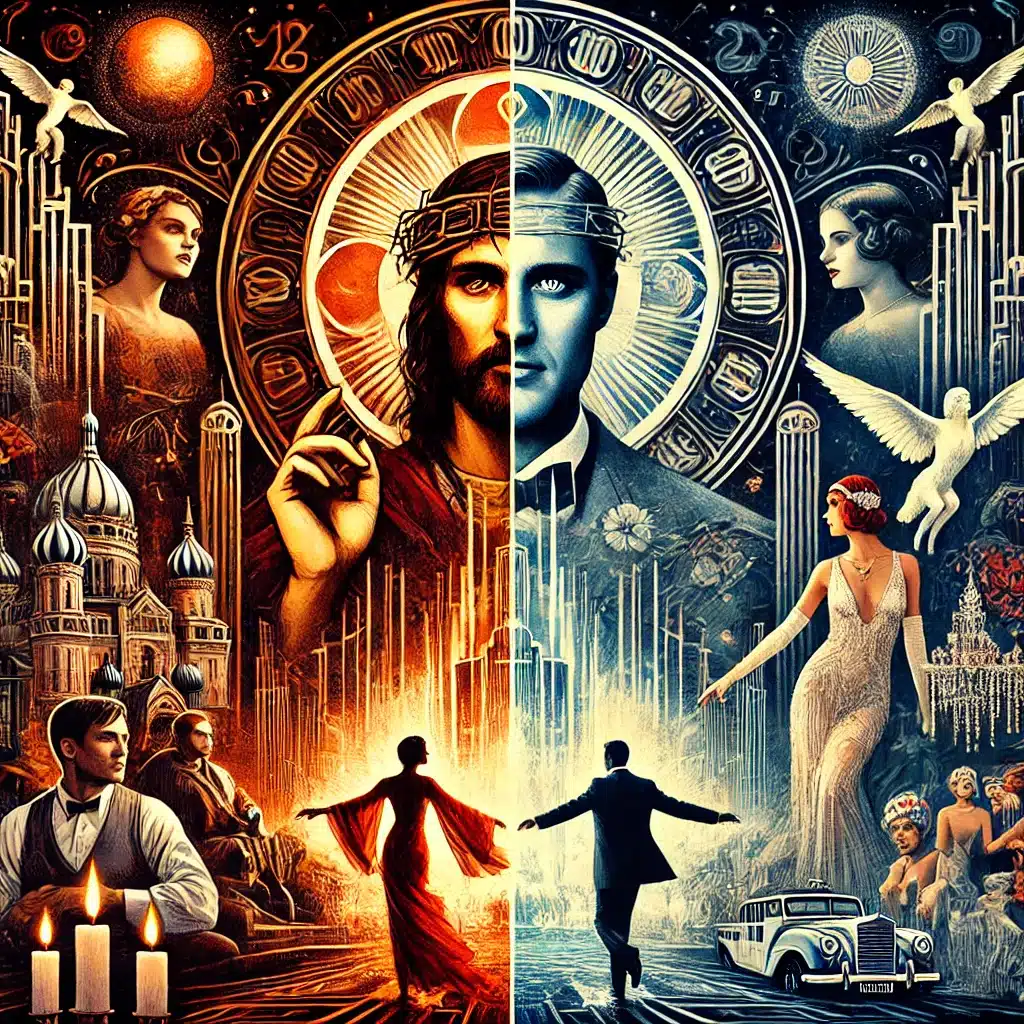
Fantasies and Dreams: How The Master and Margarita Met The Great Gatsby in 2024 Cinema
Fantasy and realism
"The Master and Margarita" The novel combines elements of magical realism. Events move between the real world of Moscow in the 1930s and fantastic, mystical elements, such as visits from Satan and his retinue, magic and flying on a broomstick. Bulgakov masterfully weaves fantastic elements into everyday life, creating a unique world where the boundaries between reality and imagination are blurred. This allows him to satirically and philosophically comprehend human nature and social order.
The Great Gatsby is deeply rooted in the realistic tradition. All the events take place in a specific historical era – the Jazz Age of the 1920s in America. Fitzgerald masterfully depicts the material world, from the lavish parties to the glitter and poverty of New York, but emphasizes its inner emptiness and hypocrisy. Unlike Bulgakov, Fitzgerald does not resort to fantasy, but uses realism to criticize society and reveal the internal conflicts of his characters.
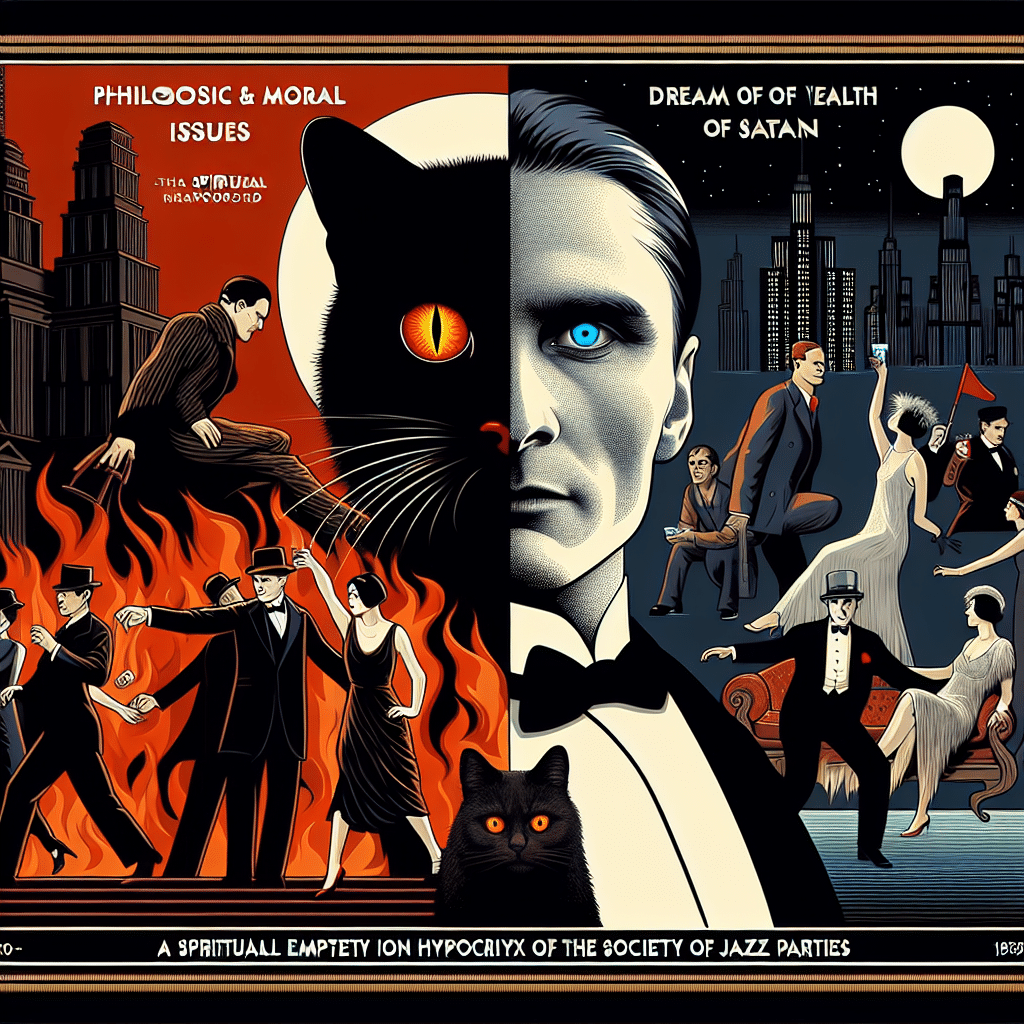
Fantasies and Dreams: How The Master and Margarita Met The Great Gatsby in 2024 Cinema
Love line
In The Master and Margarita, the love between the Master and Margarita is one of the main themes of the novel. It is a story of devotion, sacrifice, and the eternal search for truth. Margarita is ready to make a deal with the devil to save her beloved, and their love becomes a symbol of the fight against injustice. Their relationship embodies the idea that true love can overcome any obstacles, including supernatural powers and social restrictions.
The Great Gatsby also has a central love story between Gatsby and Daisy. However, here love is presented more as an illusion, as a striving for an unattainable ideal. Gatsby is in love not so much with Daisy, but with the dream of her, which leads to his tragedy. His love symbolizes the impossibility of returning to the past and finding happiness through material achievements and social status.
Social criticism
Bulgakov elegantly criticizes the bureaucratic system of the Soviet Union, the hypocrisy of the government and society, and religious issues. He raises philosophical and moral issues through satire and allegory, using fantastic elements and characters to ridicule and expose the vices of his time. Bulgakov masterfully depicts the absurdity and cruelty of the Soviet bureaucracy, as well as the spiritual emptiness and hypocrisy of the society around him.
Fitzgerald also criticizes the society of the 1920s in his country, immersed in materialism and illusory dreams of wealth and success. He shows how the pursuit of material values destroys people, making them morally empty and incapable of genuine feelings. Through the characters and events of the novel, Fitzgerald exposes the hypocrisy and superficiality of the "Jazz Age", emphasizing that behind the glitter and luxury lies deep moral degradation.
Main characters
In The Master and Margarita, the Master is a tragic figure, a writer who has lost faith in his work under the pressure of the outside world. He symbolizes the suffering of a creative person under a totalitarian regime where freedom of speech is suppressed. Margarita, on the contrary, is a strong and determined woman, ready to do anything for love. Her selflessness and readiness to sacrifice make her a hero, capable of overcoming any obstacles, including supernatural forces.
In The Great Gatsby, Jay Gatsby is also a tragic hero whose life is dedicated to his dream of Daisy and social ascent. He becomes a symbol of the illusion that destroys man. Gatsby embodies the American dream in its perverted form, where the desire for wealth and status overshadows true human values. Daisy, unlike Margarita, is incapable of real sacrifice and remains down-to-earth. She symbolizes the superficiality and moral emptiness of the society in which Gatsby lives.
Mysticism and symbolism
Bulgakov introduces many symbols and allusions to religious and philosophical themes, especially through the characters of Yeshua and Woland. Mysticism plays an important role in understanding the essence of good and evil. Yeshua is a symbol of spiritual purity and truth, while Woland and his retinue embody the forces of chaos and trials. Through mystical events and characters, Bulgakov explores questions of morality, faith, and human nature, offering profound philosophical reflections.
Fitzgerald Fitzgerald uses symbols such as the green light on the pier or the eyes of Dr. T. J. Eckleberg as metaphors for unattainable dreams and moral decline. The green light symbolizes Gatsby's dream of Daisy and the idealized future that remains unattainable. Dr. Eckleberg's eyes, located on a billboard, represent a kind of all-seeing eye, observing the moral degradation of society. Unlike Bulgakov, Fitzgerald replaces mysticism with social symbolism, emphasizing the material and moral aspects of his characters' lives.
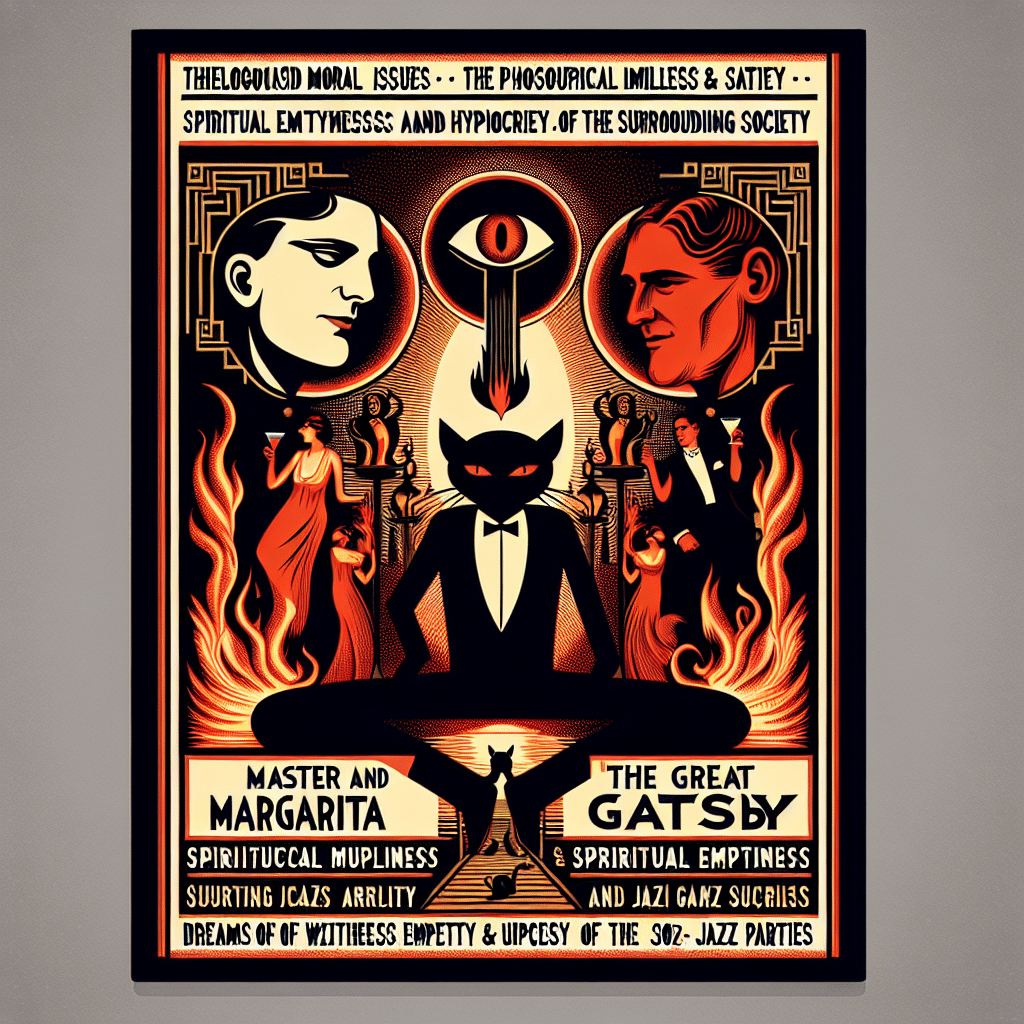
Fantasies and Dreams: How The Master and Margarita Met The Great Gatsby in 2024 Cinema
The final
In The Master and Margarita. At the end of the novel, the heroes receive a kind of reward for their suffering. The Master and Margarita find peace in eternity, which symbolizes their liberation from earthly torment and injustice. This gives readers a sense of hope and reconciliation, emphasizing that true love and loyalty can be rewarded, even if not in earthly life, then in eternity. Bulgakov's ending leaves a feeling of satisfaction and spiritual purification.
In The Great Gatsby, the ending is tragic. Jay Gatsby dies without achieving his dream of Daisy and social ascension. His death symbolizes the futility and illusory nature of the American dream. The society in which Gatsby lived continues to exist in its empty, cynical manner, devoid of genuine values and ideals. The ending emphasizes the moral decline and futility of striving for material wealth as a means to happiness.
Conclusion
Both works deal with human aspirations and illusions, but The Master and Margarita focuses on spiritual and moral issues, while The Great Gatsby concentrates on criticism of society and individual dreams.
The Master and Margarita delves deeper into philosophical and religious reflections, while The Great Gatsby focuses on the social and personal aspects of life. Bulgakov uses fantastic elements and satire to describe Soviet Moscow, while Fitzgerald paints a realistic picture of America in the 1920s. In both novels, the central characters aspire to something more – the Master for creative freedom, Gatsby for love and recognition. Both face harsh realities that destroy their dreams.
But what's interesting is this. Both of these novels laid the foundation for the ideal man and woman for both countries. In the USSR, the hero was a deep, sensitive, intelligent and modest genius, devoid of attachment to money.

Master
In the US, it is an entrepreneur or simply an active person striving for wealth, success and glamor.

Gatsby
Even if such a hero of American cinema is not fixated on wealth, he very often goes through scenes on the screen where, with the help of money and glamour, he gives the viewer the opportunity to feel lust.
The same goes for women: as much as Daisy differs from Margarita in her qualities, so too does the typical heroine of American cinema differ from the heroine of Soviet cinema: a socialite and spoiled young lady, whom literally everyone is trying to win...
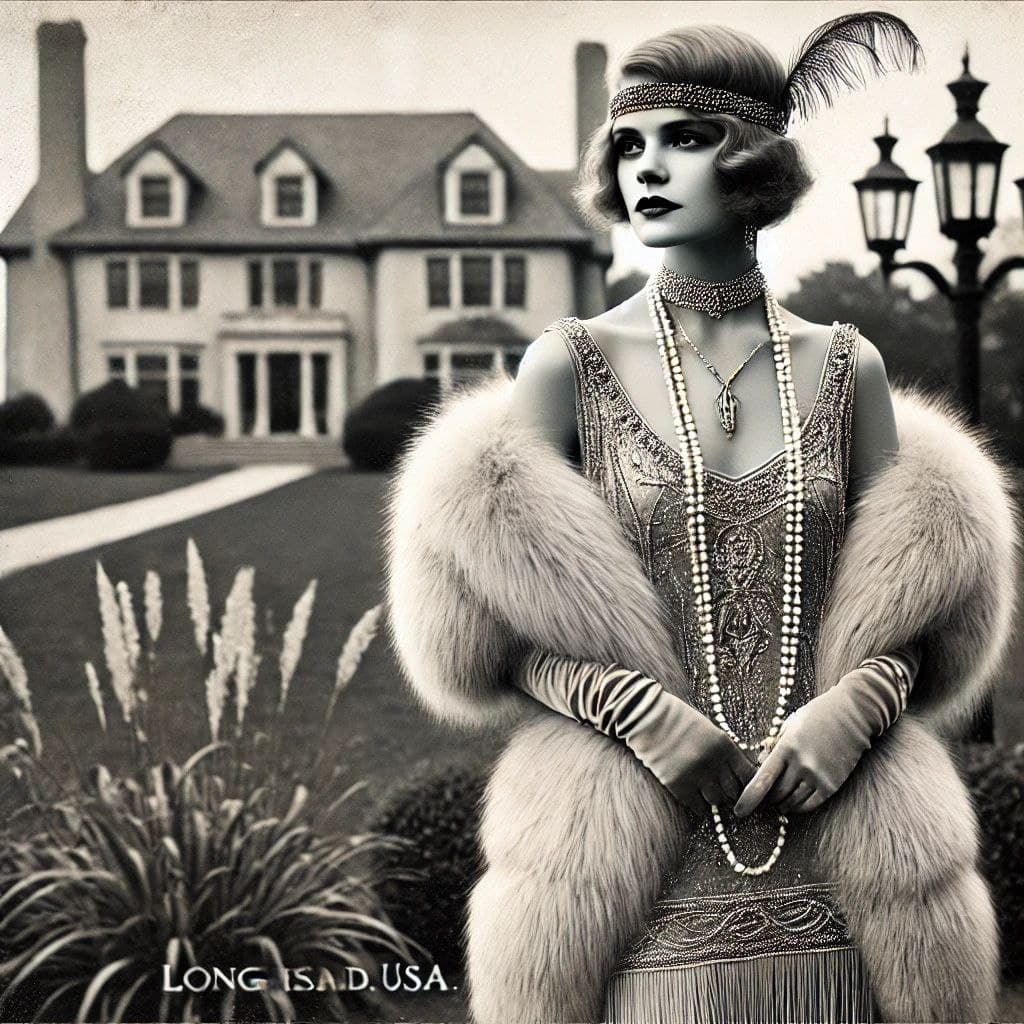
Daisy
And a deep, sacrificial, but at the same time fatal and passionate muse, Margarita, capable of making a deal with Satan himself for the sake of love and happiness with her Master.

Margarita
The best way to learn about history and culture is to take a guided walk through the actual sites of these events. You can also book a tour «Master and Margarita" and others.
We had a corporate group of 10 people. Our guide was Anton, and we had a tour of Bulgakov. I would like to point out the excellent organization; everything went smoothly. The managers were very accommodating to our changes in the number of participants. The bus was very comfortable. Anton is a super-engaged and motivated guide.
He lives this story and takes great pleasure in sharing his knowledge and creating impressions.
Everything went well. I recommend it!
Note: Review of the excursion Zamoskvorechye with guide Maria
Note: Review of the tour "Modern Residential Complexes, Factory Past, and Avant-Garde" around the ZILART residential complex with guide Maria. prepared and conducted a tour based on an individual request for employees of the development company GC "Samolet"
Note: Review on corporate excursion "The Heart of the Capital" with guide Maria
Note: Review of the excursion "The Soul of Moscow" with guide Maria
Note: Review of the excursion Palace Dungeons with guide Maria
I'd like to express my gratitude and that of my supervisor for organizing the tour! We were very pleased.
We would like to repeat this in October, but on a different route – ZIL.
Note: This is about a tour for developers of the Samolet Group of Companies, conducted by guide Maria.
Was on excursions along Sukharevskaya Square - we reached Tsvetnoy Boulevard, I didn’t expect it to be so interesting!
For those who are in doubt whether to go or not - go, it really has become one of the cool summer memories!!!
Thank you and Masha for yesterday!
The speakers are happy. The connection in the headphones often failed, especially at the checkpoint, but this is our current life situation. It was audible if they were standing close, no further than 1.5 meters. Colleagues have already asked for your contacts. I will gladly share and will be glad to have a new opportunity to work with you. Special thanks to the Director for the Bureau
Note: excursion "Heart of the capital» for participants of the Moscow Oncology Forum 2025. Guides - Anastasia and Maria
It was very interesting to hear how the Krasnaya district developed. Presni, how Prokhorov's figure influenced the development of our city. A pleasant dive into a quiet, previously unexplored area!
Note: we are talking about the excursion with the guide Anton
There was a great tour of the area. Patricks.
We learned a lot of new things. Anastasia is a master of her craft. The tour was exciting, not boring at all, lively and interesting. Everyone was satisfied. Full of new impressions. I definitely recommend it. You will be satisfied!
Overall, this wasn’t the first time I’ve walked around Moscow with Anton, and each time it was a real adventure!
I wanted to express my gratitude once again for the wonderful excursion on Saturday - we really enjoyed the walk, the information and the communication with you, then we discussed for a long time what everyone remembered and what struck them. It would seem that you have lived in Moscow all your life, there was Moscow studies at school, but it turns out that you still don’t know so much!! In general, thank you very much, my mother said it was the best gift for her birthday!
Note: this is about the excursion "Soul of Moscow«
I will definitely recommend this company to my friends and we will use its services ourselves.
Excellent organization of excursions, all wishes were taken into account, punctuality at the highest level
Note: Review of the excursion-performance, which the guide Alexander specially developed as part of the order "Dream Tour".