How the Chinese Conquered Moscow in One Day
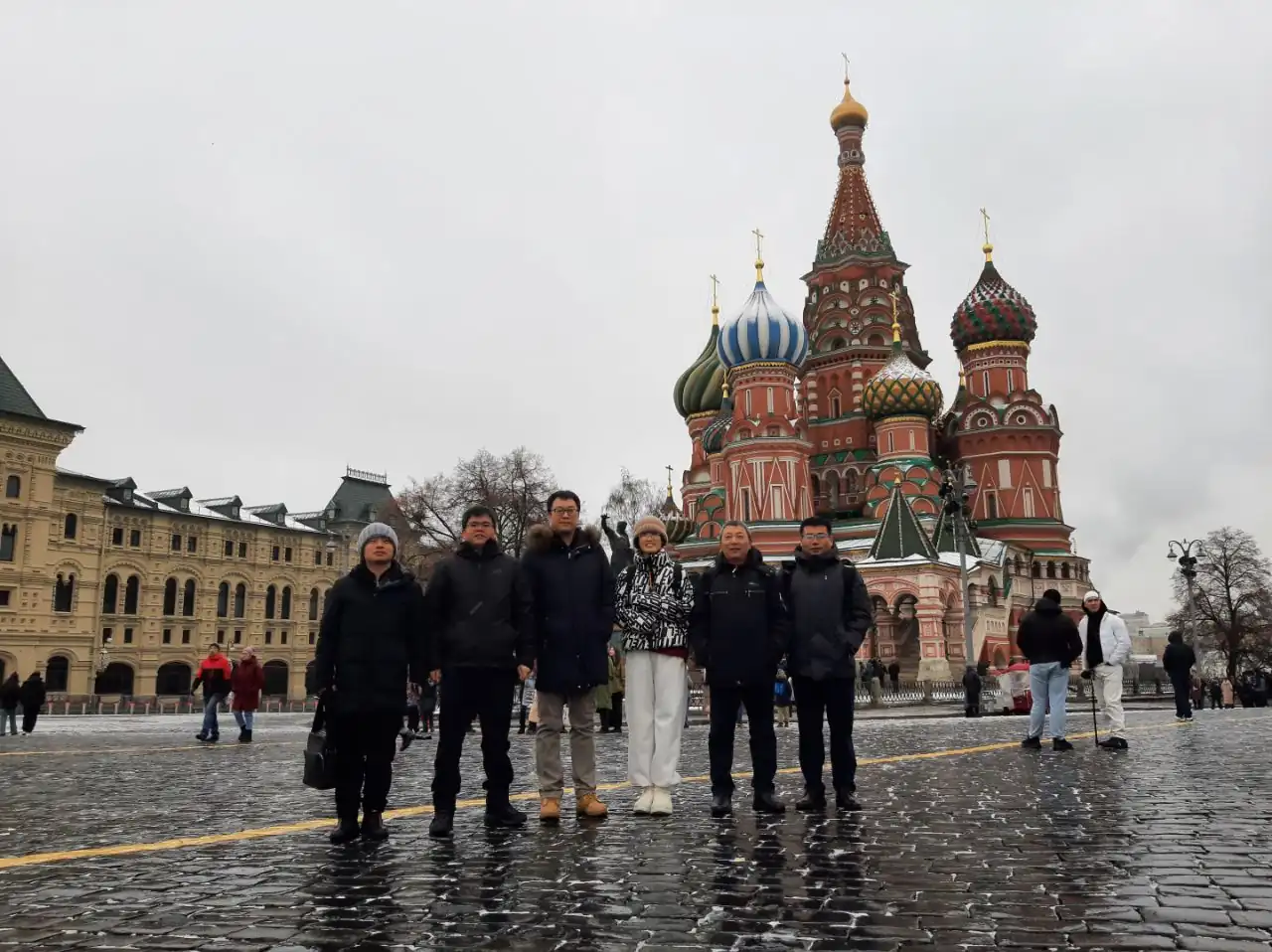
Today's individual excursion began in an unexpected place - in the very heart of Moscow, in Krivokolenny Lane, where the guide met our guests at their hotel. The initial idea was to tell the participants about the history of the old lanes and buildings, but the plans changed a little: the first thing the guests needed to do was find a bank to exchange currency. It was their only day in the capital before their trip to Norilsk, so the guide helped them get their bearings.
The snowfall and cold Moscow air surprised the guests, especially considering that their next destination was harsh Norilsk. While the excursionists were looking for a bank, the guide actively helped, went inside with them and talked. The female translator who accompanied her leader provided support in translation, and after all technical issues were resolved, the group went by taxi to the city center.
The first stop was GUM, where the guests took a short stroll and then visited the Historical Museum. There they enthusiastically studied the exhibits, starting with the most ancient eras, covering periods from the Paleolithic to the 17th century. The guests' attention was drawn to the finds made in Central Russia, the Southern Urals and Siberia. Of particular interest was the connection between the ancient tribes of the southern part of modern Russia and ancient Greece. The excursion participants animatedly discussed how cultural ties with Greece existed even before the baptism of Rus - in the 6th-4th centuries BC.
Visitors looked curiously at medieval weapons, including a six-footed sword and chain mail. A translator translated the names into Chinese, which delighted her boss. The topics of the Mongol conquests also brought up interesting parallels with Chinese history. All this created a surprisingly lively dialogue about culture and history.
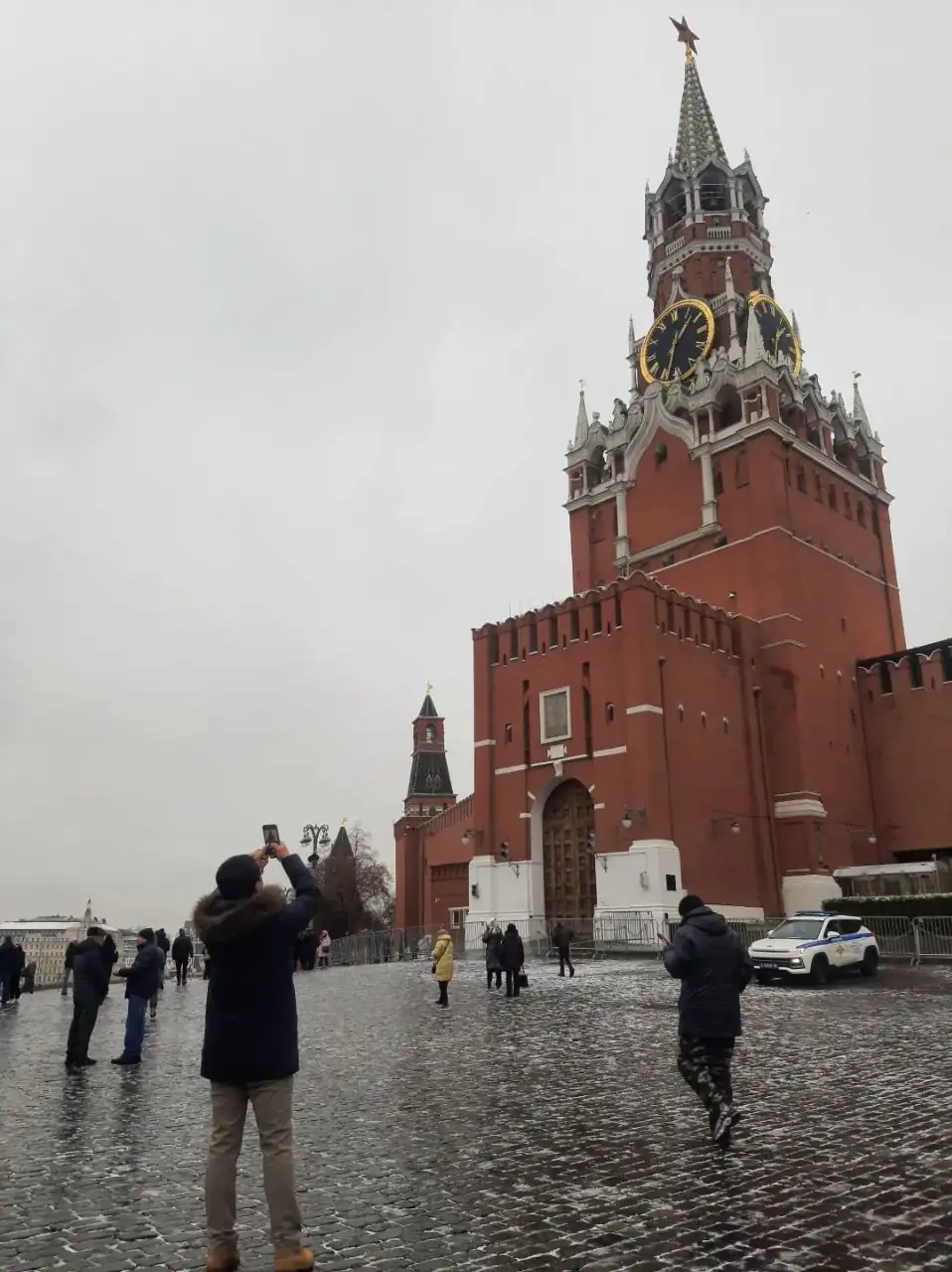
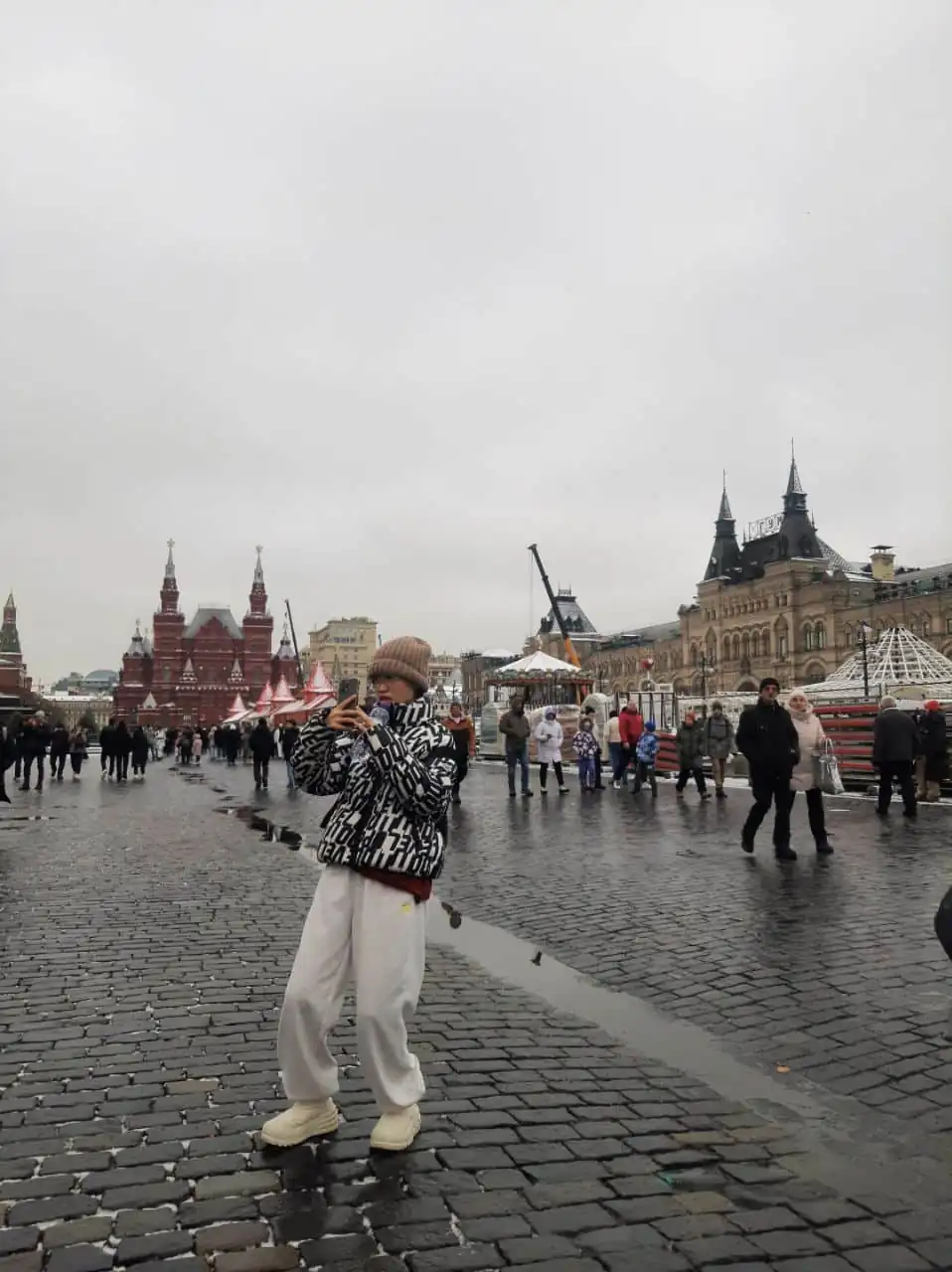
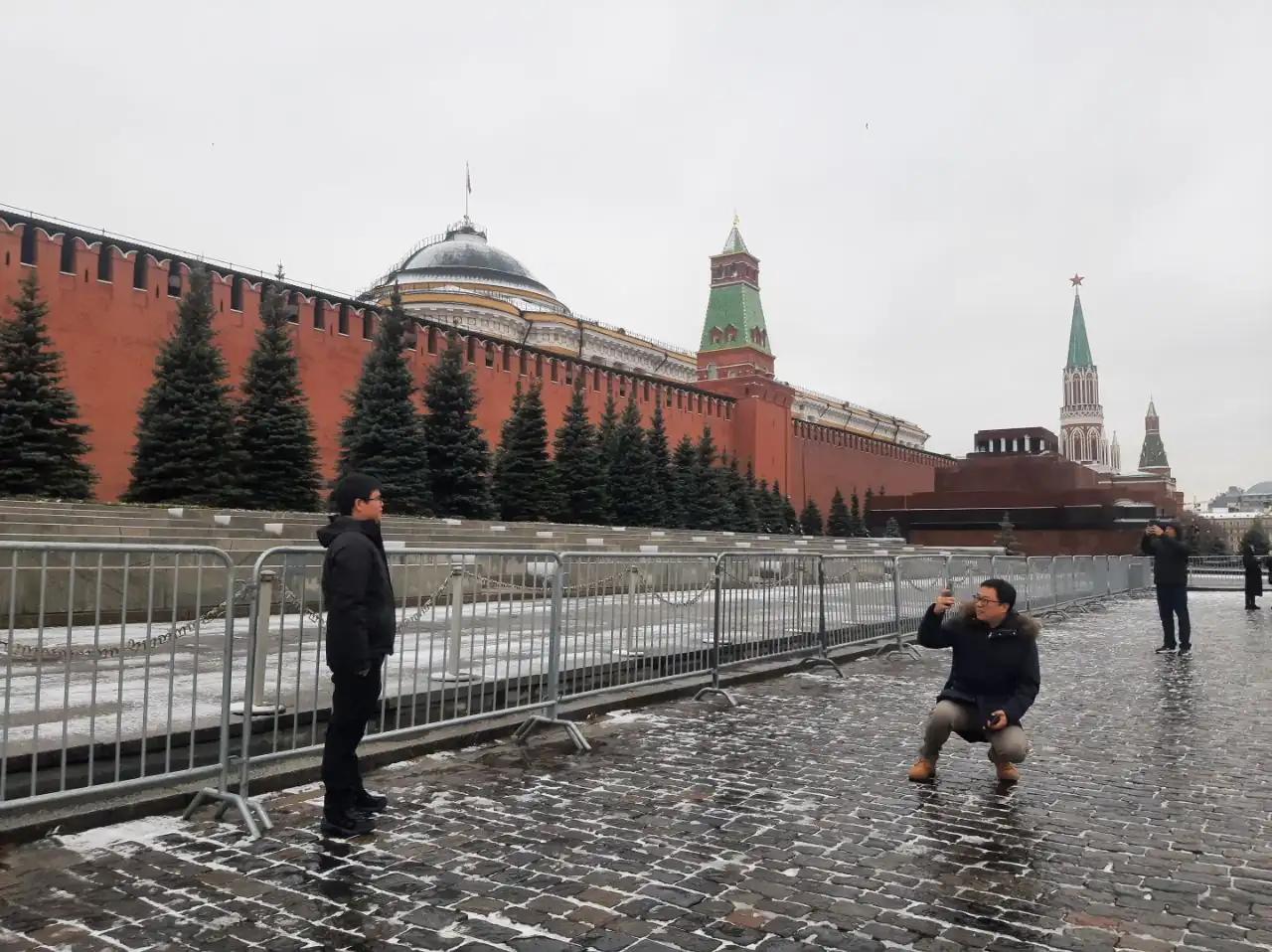
After the museum the tour continued on Red SquareThe guests, like many others, were eager to take beautiful souvenir photos. They were interested in both Lenin and the Russian president's workplace. Despite the busy schedule, the guide managed to assist the participants with various organizational matters, including acclimating to Moscow.
During the conversation with the group leader, it turned out that he, while studying Russian, chose the Russian name Boris, although his real name sounds completely different in Chinese. The translator, who can be called Ksenia due to the consonance of her Chinese name, also shared her story. The guests were interested to learn even such trifles as the origin of the word "Zaryadye" - from the shopping arcades.
The author's excursion was filled with cultural exchange with foreigners from the Celestial Empire. In the museum, the guests were amazed by the ancient glass vessels of the 4th-3rd millennia BC. They did not believe that in such a distant past people were able to produce glass, given the high melting temperatures. Only after checking the information on the Internet, the guests were convinced of the authenticity of the exhibits. Demographic issues were also raised: they were amazed that the guide, like many of his peers, did not have brothers and sisters, while they imagined Russia as a country of large families.
The excursion was not only educational, but also became a platform for cultural dialogue, where each side learned something new.
We took a tour of Taganka designed for 12-year-old children. It was an excellent programme. We covered a great deal of ground and learnt so much. We discovered the story of Dryanaya Street and discussed the Vladimir Highway, the surrounding monasteries and churches, and the Old Believers. We now know where Korovin was born, where Stanislavsky was born and raised, where the Morozov merchant children lived, and why Arseny Morozov was considered such an outrageous figure in his day. We also discussed Solzhenitsyn, discovered where Stalin Avenue was supposed to be built, saw the bunker, walked to the Russian metochion of the Mount Athos Monastery, and learnt why the Illuzion cinema made Taganka famous. Of course, no tour would have been complete without Vysotsky and Lyubimov. We also touched briefly on Taganka Prison, although naturally we did not go there. All in all, it was an exceptionally rich and informative tour! Our guide Alexander was superb!
Our thanks to our guide Alexander for a magnificent sightseeing tour. Alexander’s love for Moscow and its history, his wide-ranging knowledge, elegant and engaging delivery, and personal charm make the tour not merely interesting and informative, but truly delightful! Thank you, Alexander! Tatiana and Tatiana, St Petersburg
On July 18th, we participated in the "Soul of Moscow" group tour led by Alexander. Kitay-gorod and its surroundings revealed a new side to us, and everyone thoroughly enjoyed it. Some of us began intensively studying related materials to broaden our horizons. We'll be back, and we highly recommend it! You won't regret it.
Good afternoon, on June 23rd we had a tour called " The Soul of Moscow ," led by Alexander. He's a very pleasant young man. We visited such lovely courtyards and alleys with him that we never even knew existed, and we learned so much. We really enjoyed everything, and we hope to continue our acquaintance. Alexander! Thank you! We had a great time with you, and we thoroughly enjoyed it. See you there!
This isn't my first time with Radius. This time, I took the Moscow metro . The goal was not only to admire the underground palaces but also to learn how to navigate the metro. As a resident of a region without a metro, I was a bit apprehensive and didn't understand how to navigate the metro. Of course, the internet helps, but live communication is much better. Tour guide Yulia handled this task perfectly. The information was accessible and interesting, the presentation was calm, and the communication style was very friendly. Thank you very much for the tour and the practical experience.
Good afternoon! I gave the "Soul of Moscow" tour to some of the capital's guests. We were thrilled to hear our guide, Anton. It was so informative and engaging, and very warm. To say we were absolutely delighted is an understatement. It turned out to be a truly family-friendly excursion. We learned so many interesting facts. The material was presented professionally, all our questions were answered, and we saw so much. It was simply WOW! Thank you so much, Anton, he's the best!!!!! From now on, I'll only come to you, the Radius team. I highly recommend it. I promise we'll see each other again soon on other tours.
Overall, the tour left a positive impression! Thanks to Alexander for the walk through the courtyards and atmospheric spots of Kitay-Gorod; we certainly wouldn't have done it on our own. The tour was comfortable, and the guide spoke confidently and calmly. One thing we personally missed: we would have liked more of the historical part, relating to ancient Moscow and the history of Kitay-Gorod. There were quite a few stories about the Soviet period and the bar scene, but for our group, this wasn't particularly relevant. We think the program could be a little more tailored to the age and interests of the group. It would also have been interesting to add more historical facts, monuments, and details about old Moscow and the area itself. That said, the tour was still interesting, and some places and churches were truly memorable. These aren't really "cons," but rather suggestions for an even more comprehensive program.
Hello! We had a corporate group of 10 people. Our guide was Anton, and we had a tour of Bulgakov. I would like to point out the excellent organization; everything went smoothly. The managers were very accommodating to our changes in the number of participants. The bus was very comfortable. Anton is a super-engaged and motivated guide. He lives this history and is delighted to share his knowledge and create an unforgettable experience. Everything went well. I highly recommend it!
Thank you for a fascinating tour! It gave me so much food for thought to explore! Note: Review of the "Zamoskvorechye" tour with guide Maria.
I'd like to express my gratitude on behalf of our team! Thank you for keeping to our scheduled schedule despite our lack of organization. Our colleagues appreciated your preparation for the tour! It was informative. Note: Review of the "Modern Residential Complexes, Factory Past, and Avant-Garde" tour of the ZILART residential complex with guide Maria. Maria prepared and conducted a customized tour for employees of the Samolet Group of Companies development company.
Thank you! You have great talent. Good luck! ☺️ You're a wonderful guide! Thank you again! Note: This is a review of the corporate tour "The Heart of the Capital" with guide Maria.
Thank you for a wonderful day today!!)) Note: review of the excursion "The Soul of Moscow" with guide Maria
On behalf of the whole family, I want to thank you for a very informative and interesting tour! Note: This is a review of the "Palace Dungeons" tour with guide Maria.
Good afternoon! I'd like to express my gratitude and that of my guide for organizing the tour! We were very pleased. We'd like to do it again in October, but on a different route — ZIL. Note: This refers to the tour for Samolet Group developers, led by guide Maria.
Thanks to Alexander for the bar tour of Baumanka ! It was fun, exciting, and we discovered so many new places! Awesome! May we reach new heights!
Good afternoon! I was on a tour of Sukharevskaya Square — we went all the way to Tsvetnoy Boulevard. I didn't expect it to be so interesting! For those wondering whether to go — go for it! It truly became one of my most memorable summer memories!
Anastasia, good morning! Thank you and Masha for yesterday! The speakers are happy. The connection through the headphones was often lost, especially at the checkpoint, but that's just our current situation. You could hear if you were standing close, no more than 1.5 meters away. Colleagues have already asked for your contact information. I'd be happy to share it and look forward to another opportunity to work with you. Special thanks to the Director for the Bureau . Note: " Heart of the Capital " tour for participants of the 2025 Moscow Oncology Forum. Guides: Anastasia and Maria.
We'd like to thank Anton and Alexander for leading the tour! It was fascinating to hear how the Krasnaya Presnya district developed and how Prokhorov's influence on our city's development. It was a pleasant immersion into a quiet, previously unexplored area!
Good afternoon, thank you so much, Anastasia. The " Uncle Gilyai " tour was fantastic. Even though we're Muscovites and know a lot about Moscow, the experience was amazing, so much new and interesting happened. We'll definitely be back.
Thank you for the " Heart of Moscow " and " Khamovniki " tours. Anton, a knowledgeable and passionate Moscow guide, gave me the tour. He's a great storyteller, intelligent, well-read, and captivating. You've truly opened up my Moscow to me! I'll definitely be back next summer to explore Moscow with you. I'll recommend your wonderful tour program to all my friends!
Excursions with the Radius travel agency are always a positive experience if you choose them. We planned a tour of Zamoskvorechye on our next visit. We've worked with our guide, Anton, before. We'll definitely recommend him to everyone we know. The tour is informative, not overloaded with dates, and the information is comprehensive yet easy to understand, as it's presented in a light, narrative manner, not like a history textbook, dry and academic. Thank you for this approach. We'll definitely use the Radius agency again on our next visit to Moscow.
Thank you so much for the tour of Zamoskvorechye . Despite the weather, it was very interesting and informative! Note: this refers to the tour with guide Anton.
A huge thank you to Anastasia. We had a fantastic tour of the Patriki district. We learned so much. Anastasia is a true master of her craft. The tour was captivating, not at all boring, lively and interesting. Everyone was delighted. We were full of new impressions. I definitely recommend it. You won't be disappointed!
We explored the Soul of Moscow with my family and Radius on my birthday. Everyone thoroughly enjoyed the walk! Anton shared so many interesting facts about the capital and its history, taking us into spiritual depths no one else had even suspected. Most of us were either born or longtime Moscow residents who spent a lot of time walking around. It was educational, heartwarming, and unforgettable. 🙂 Overall, this wasn't my first time walking around Moscow with Anton, and each time was a real adventure!