Articles on Moscow’s history and culture help you prepare for a guided walk and choose a private tour on a subject that interests you.
Historius (page 7)
Why Bagration Bridge Opened Before Tower 2000
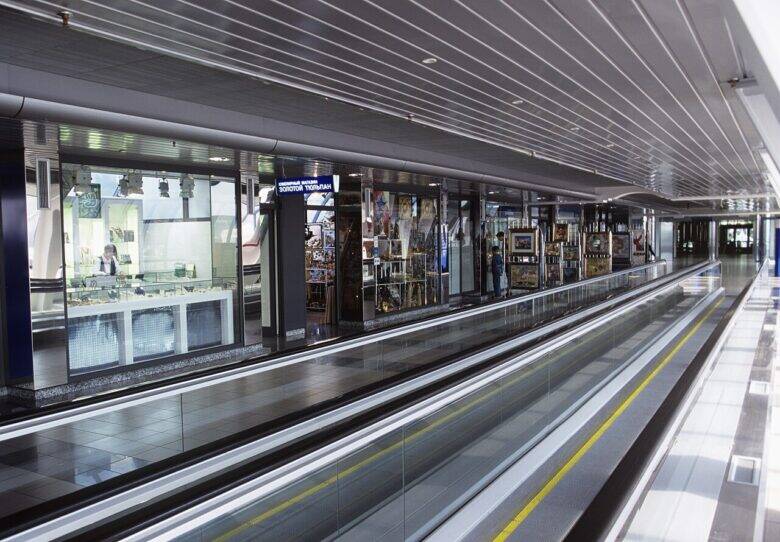
Bagration Bridge opened in 1997, while Tower 2000 on the river’s right bank came into service four years later. This head start did not compromise architect Boris Tkhor’s overall vision: the crossing established a pedestrian axis from the site of the future Moscow City business district to the high-rise on the right bank.
Kutuzov’s Hut in Fili: Why the Memorial Was Recreated in 1887
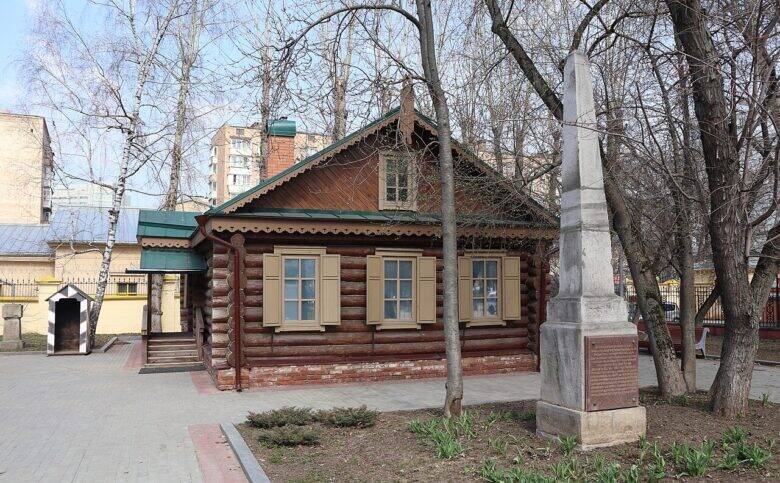
Kutuzov's Hut in Fili stands on the site of the Council of War held on 1 (13) September 1812. The peasant Frolov's house burnt down in 1868, and a memorial was built here in 1887. What is historically authentic here is the location of the meeting and the documented history of efforts to preserve it. The age of the timber structure of the present house requires separate investigation.
The 1935 Metro map: where the branch at Okhotny Ryad led
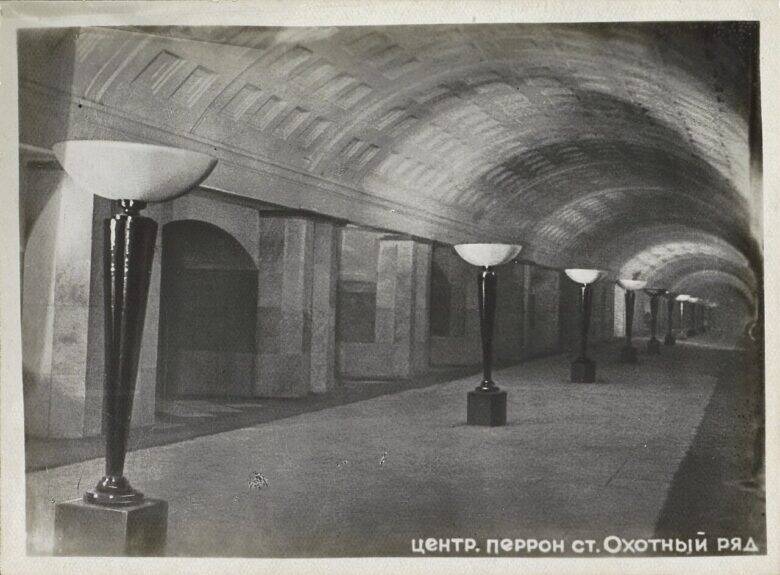
On 15 May 1935, trains began running from Sokolniki through Okhotny Ryad to two termini: Park Kultury and Smolenskaya. The passenger map in a 1935 booklet shows this service pattern. The city's transport portal describes it as the first Moscow Metro map regarded as official. The map alone cannot establish why the builders chose the route towards Arbat.
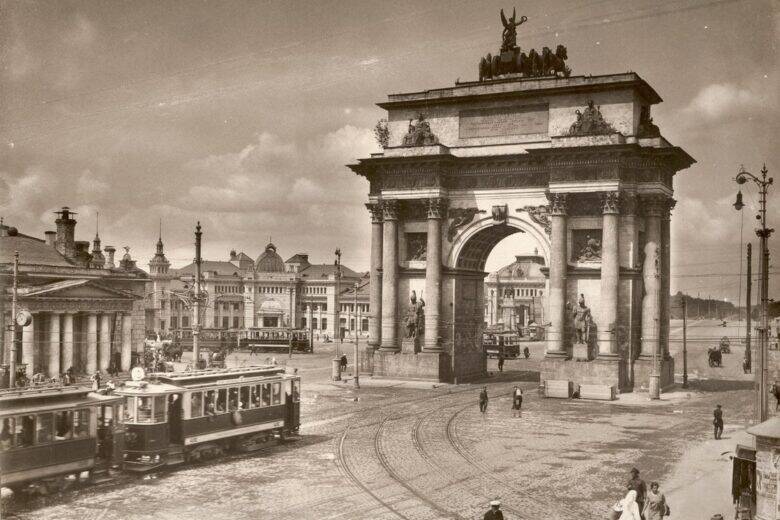
What remains of Bove’s Triumphal Arch and why its sculptures spark debate
Moscow’s Triumphal Arch preserves Osip Bove’s design and the appearance of the 1834 gateway, but the present structure on Kutuzovsky Prospekt was built in 1966–1968 on a different site. Original elements from the 1830s survive, including examples in the collection of the A. V. Shchusev Museum of Architecture. Published sources give conflicting accounts of the origins of all the sculptures on the present monument: even different…
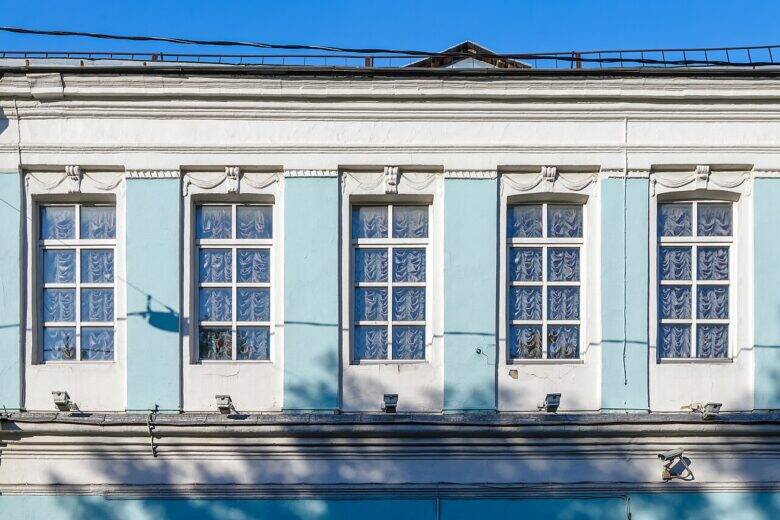
The Chest of Drawers House on Pokrovka: How the West Wing Became a Counterpart to the East Wing
The western wing of Moscow’s ‘Chest of Drawers House’ at 22/1 Pokrovka was originally half the length of the eastern wing. The two buildings became equal in length only after alterations in 1774–1775, when the smaller wing was extended and another storey added. This difference in their original dimensions is difficult to spot from Pokrovka, as both wings face the street end-on. The view along Lepyokhinsky Tupik helps reveal the layout of the western wing.
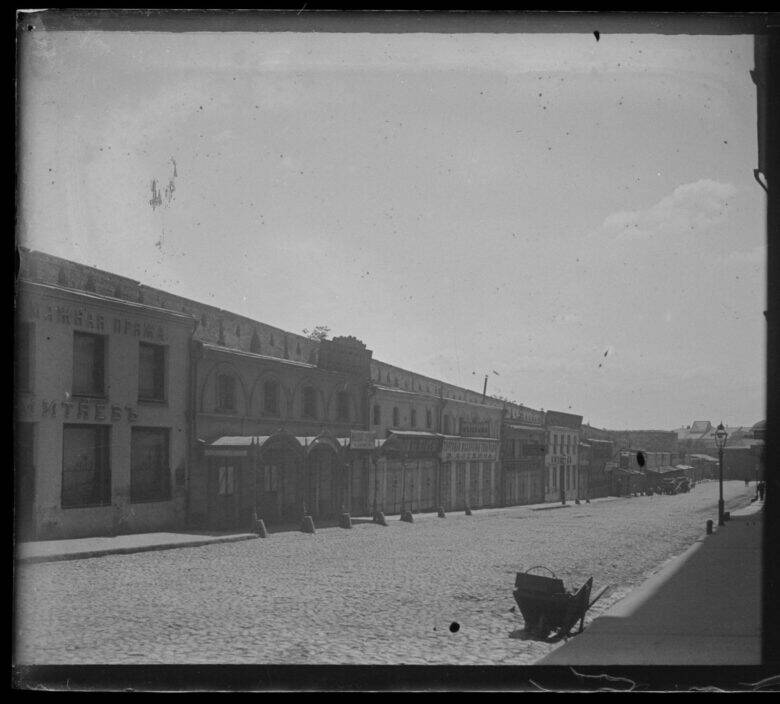
Tolkuchy Market: why the fire of 1881 did not put an end to trade
The fire of 1881 almost completely destroyed Pashkov Courtyard on what is now Novaya Square, but Tolkuchy Market beside the Kitay-Gorod wall continued to operate. Vladimir Gilyarovsky recalled lively trading in the mid-1880s, while the historian Pyotr Sytin dated its move to Sadovniki to 1899. The fire, the redevelopment of one property and the relocation of the entire second-hand market were separate events: 1881 cannot be describe…
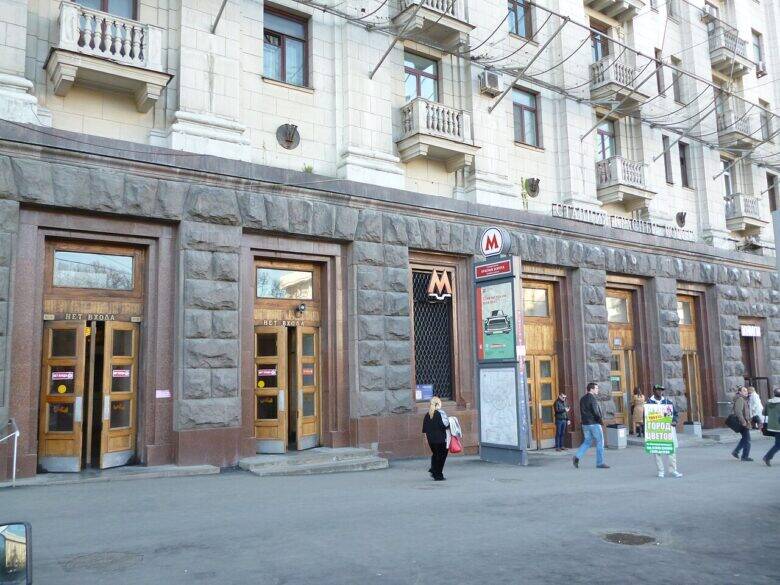
The Red Gate Building: Why a Metro Entrance Was Built into Its Residential Wing
The Red Gates high-rise incorporates the northern entrance to Krasnye Vorota station, built into its residential wing on Sadovaya-Spasskaya Street. During construction, engineers froze the ground beside the metro’s inclined tunnel and calculated a deliberate tilt for the frame: once the ground thawed, the tower was expected to settle into an upright position. The side entrance reveals the connection between the residential wing and the…
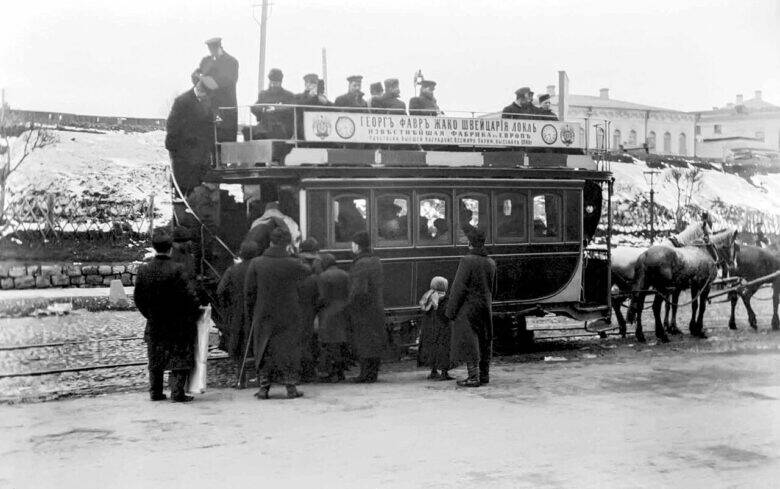
From Horse-Drawn Trams to Electric Trams: How Moscow Reshaped Its Urban Transport Network
Moscow’s horse-drawn trams continued carrying passengers after electric trams appeared in 1899: the last horse-drawn services disappeared only at the turn of 1911–1912. This delay cannot be explained simply by residents being accustomed to travelling slowly. The capital already had an extensive horse-drawn tram network with different owners, carriages and depots; replacing it meant buying out the lines, rebuilding the infrastructure and supplyi…
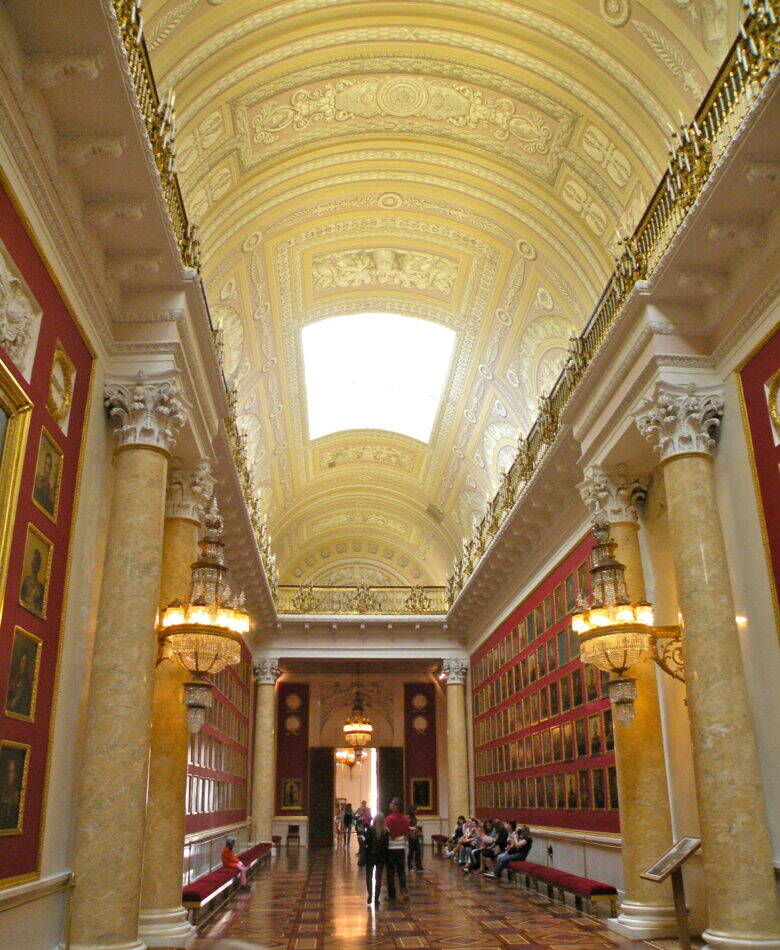
Pushkin’s ‘The Commander’: the 1835 draft, the 1836 publication and the autograph manuscript in an album
Pushkin’s poem ‘The Commander’ has three important reference points for the reader: the draft bears the date 7 April 1835, the text appeared in Sovremennik in 1836, and the surviving manuscript in the poet’s own hand in an album offers another authorial version. These milestones do not indicate an error in attribution: the first relates to work on the poem, the second to its appearance in print. The alb…
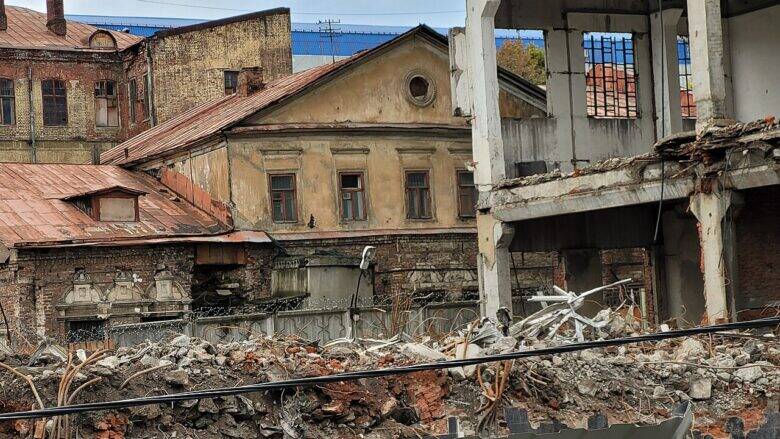
Anna Mons House: what we know about the owners of the chambers
Anna Mons’s House in the German Quarter is the familiar name of the chambers, enshrined in the official designation ‘Chambers (Anna Mons’s House)’. There is no documentary evidence that she owned or lived in the building. In the 2024 state historical and cultural expert assessment report the house’s connection with Peter I’s mistress is explicitly described as an unsubstantiated legend. The earliest documented owner identified by the experts…
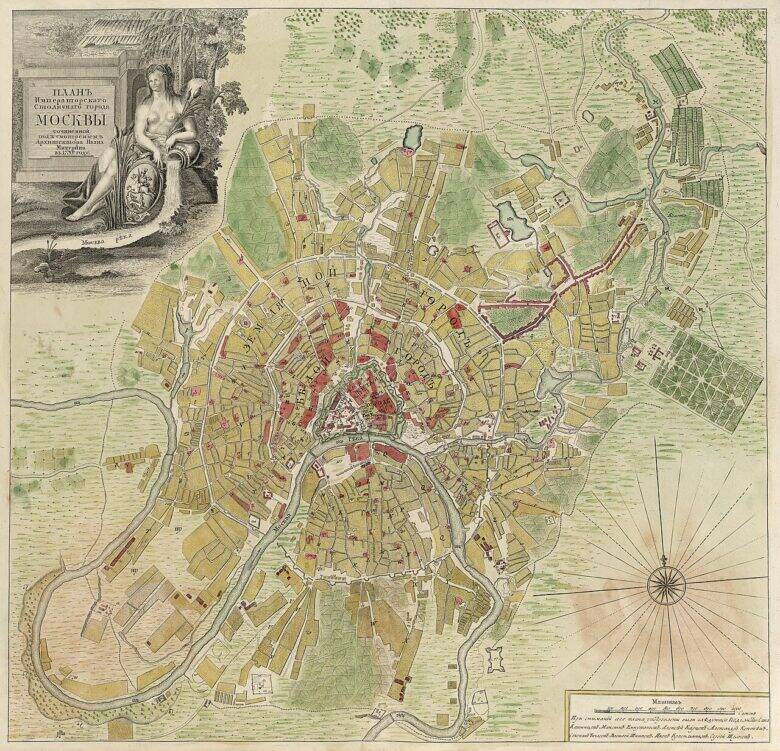
Michurin’s Map of Moscow: How to Read the Numbers, Letters and Zodiac Signs
Michurin’s 1739 plan of Moscow comes with a separate index: numbers, letters and zodiac signs refer to its sections. Together, they show which streets and places the mapmakers marked; this source cannot establish the history of each building or its exact present-day address.
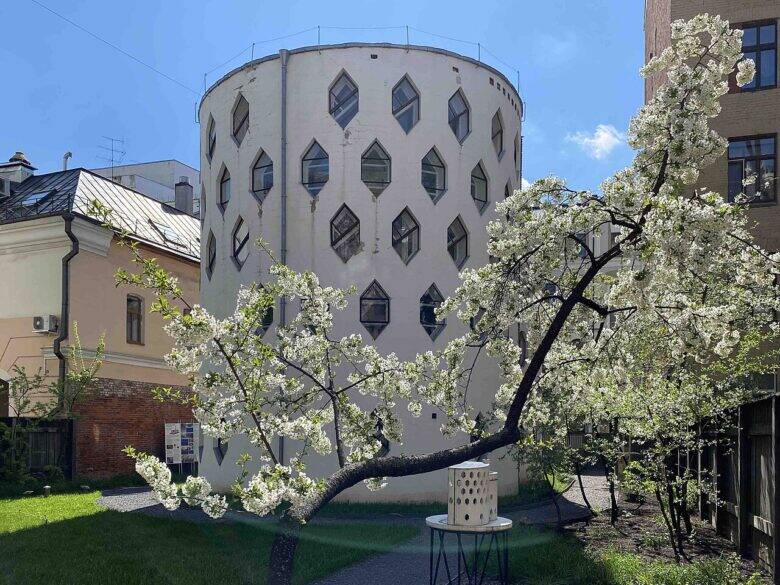
Melnikov House from the Garden: Studio Windows and Blind Niches
Konstantin Melnikov filled in some of his house’s hexagonal openings during its construction in 1927–1929. The glazed and filled-in cells form part of the same load-bearing brick lattice. The arrangement of the studio openings can be seen from the garden; building surveys have established how the concealed infill was constructed.
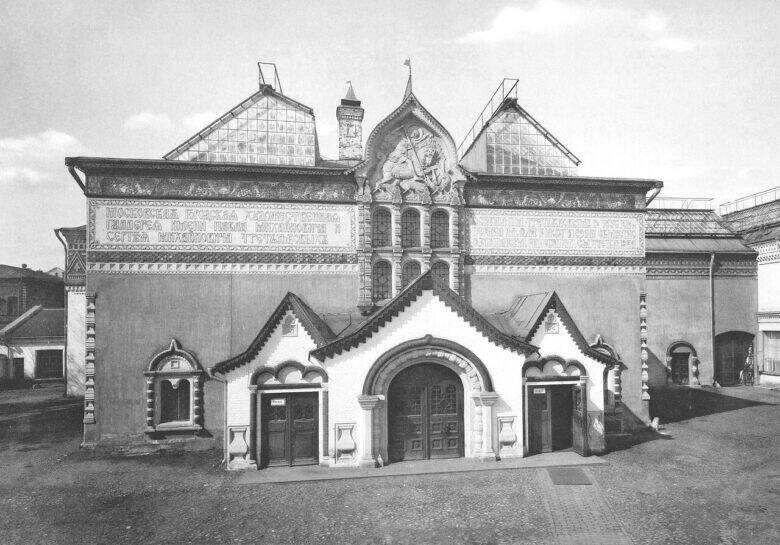
Why Moscow’s Coat of Arms Was Added Above the Entrance to the Tretyakov Gallery
Moscow’s coat of arms, featuring St George the Victorious, appeared above the Tretyakov Gallery’s main entrance when the new façade was built in 1902–1904. By then, the Tretyakov brothers’ collection already belonged to the city: the high relief above the central portal marked the formerly private collection’s new public role. You can find it above the entrance facing Lavrushinsky Lane.
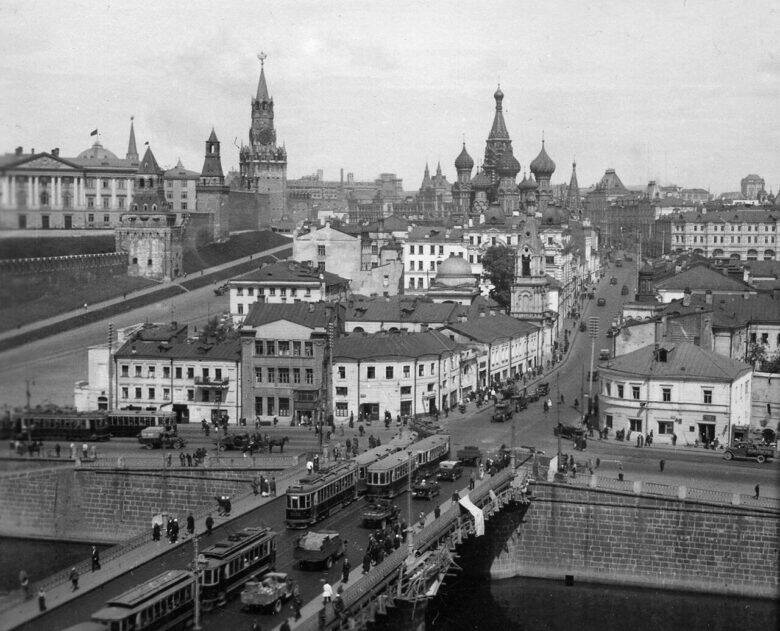
How Vasilyevsky Spusk took shape: the bridge, demolitions and the fate of Moskvoretskaya Street
Vasilyevsky Spusk took shape in stages. In the 1930s, parts of the former square beside the Cathedral of the Intercession on the Moat, Maslyany Lane and the western side of Moskvoretskaya Street were cleared for the new Bolshoy Moskvoretsky Bridge. Yet an archival photograph from 1938 still shows houses standing beside the bridge, which was already in use. The neighbouring built-up areas were redeveloped later too, including d…
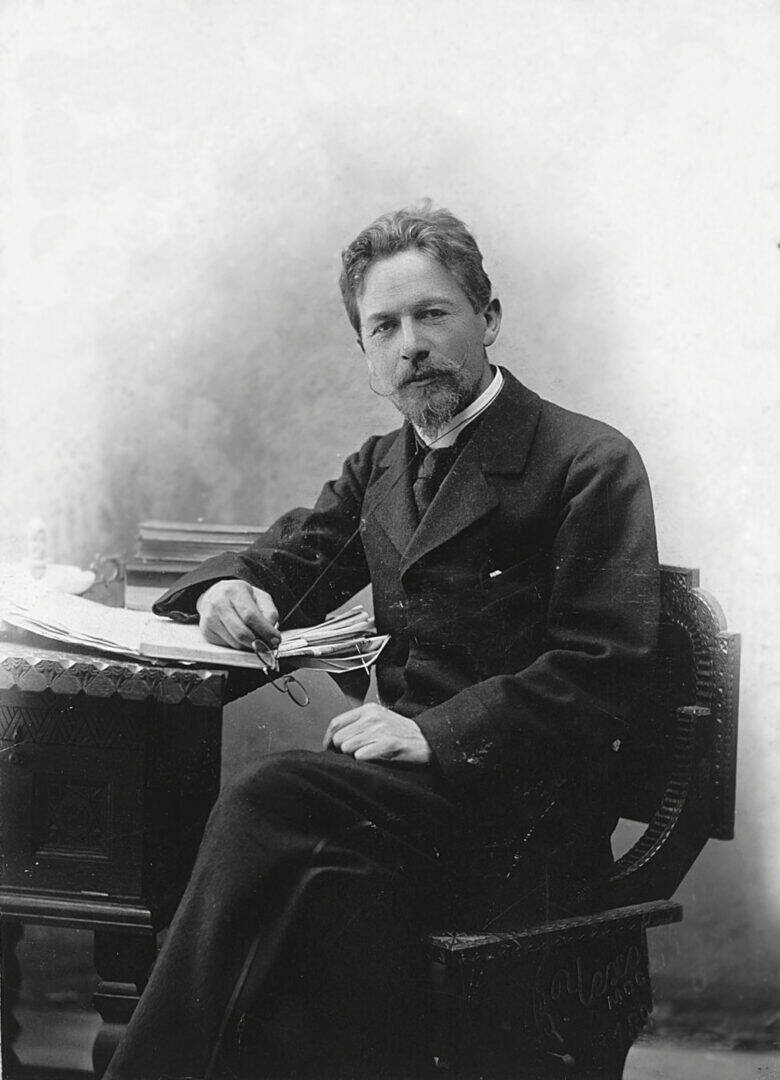
Debt and Courtship: Two Paths to Resolution in Chekhov’s ‘The Bear’ and ‘The Proposal’
Chekhov’s vaudevilles The Bear and The Proposal both end with a turn towards marriage after a heated quarrel, but their structures differ. The creditor Smirnov arrives to collect a debt and, to his own surprise, asks for the widow’s hand; her counterpart’s neighbour Lomov comes to propose, yet arguments twice derail the conversation about marriage. Tracing who is pursuing what in each scene reveals that the comic ending amounts to more than reconcili…
Advantages of individual excursions over group ones
- All attention is on you. Answers to all your questions.
- An atmosphere of tranquility and privacy.
- We pay special attention to the places that interest you.
- Possibility of adapting the route to your preferences and interests.
- You hear everything the tour guide says.
- At individual excursion you dive deeper.
- No one is in a hurry. Take a good look at the sights - they won't leave without you.
- Without loud laughter and inappropriate jokes from other tour participants.
- Your photos will not be crowded with other participants.
- The opportunity to discuss personal impressions and emotions with the guide during the process.
- Take a break when needed - to rest or take photos.
- A personal guide remembers you, and you remember him. Such moments remain in memory.
- There is less strain on your hearing and attention, since the guide is literally right next to you and speaks only for you.
- The excursion can be either educational or easy, depending on your wishes.
- Opportunity to gain insight or exclusive information.
- Absence of outside pressure.
- The guide doesn't make stops at points of sale (at least we certainly don't).
- You don't have to get up early or come at an inconvenient time. You choose when.
- Possibility to visit places closed to large groups.
How much more expensive are personal tours than mass tours?
If you are alone or in pairs, then a sum of several thousand for a walking tour of the city or twenty thousand for a car excursion is significant.
But if you're going for a walk with family or friends, the cost for an individual participant approaches one or two thousand - the amount that each person would pay for a group excursion with strangers.
For your group of 8 or more people, the price becomes even lower when calculated per person, making a private tour truly attractive.
***
A mass excursion is tourism, an individual excursion is a journey through the city’s secrets with a personal guide.
The Radius excursion bureau offers fascinating excursions on the history of Moscow in Russian and foreign languages. You can choose a walking tour or a sightseeing trip by car, as well as order an individual route. Our stylish guides will provide a lively speech without cliches, immersing you in the rich history of the capital. In addition, we offer corporate excursions, and our experience of cooperation with such companies as Yandex and Faberlic confirms our competence.
For those who want to make an original gift, gift certificates for our excursions are available. This is the perfect way to give an educational walk around Moscow with a modern guide. Our excursions are conducted in Russian, English, German, Spanish and Hebrew, and can include walks, bike rides, scooter rides or a boat ride on the Radisson Royal on the Moscow River.