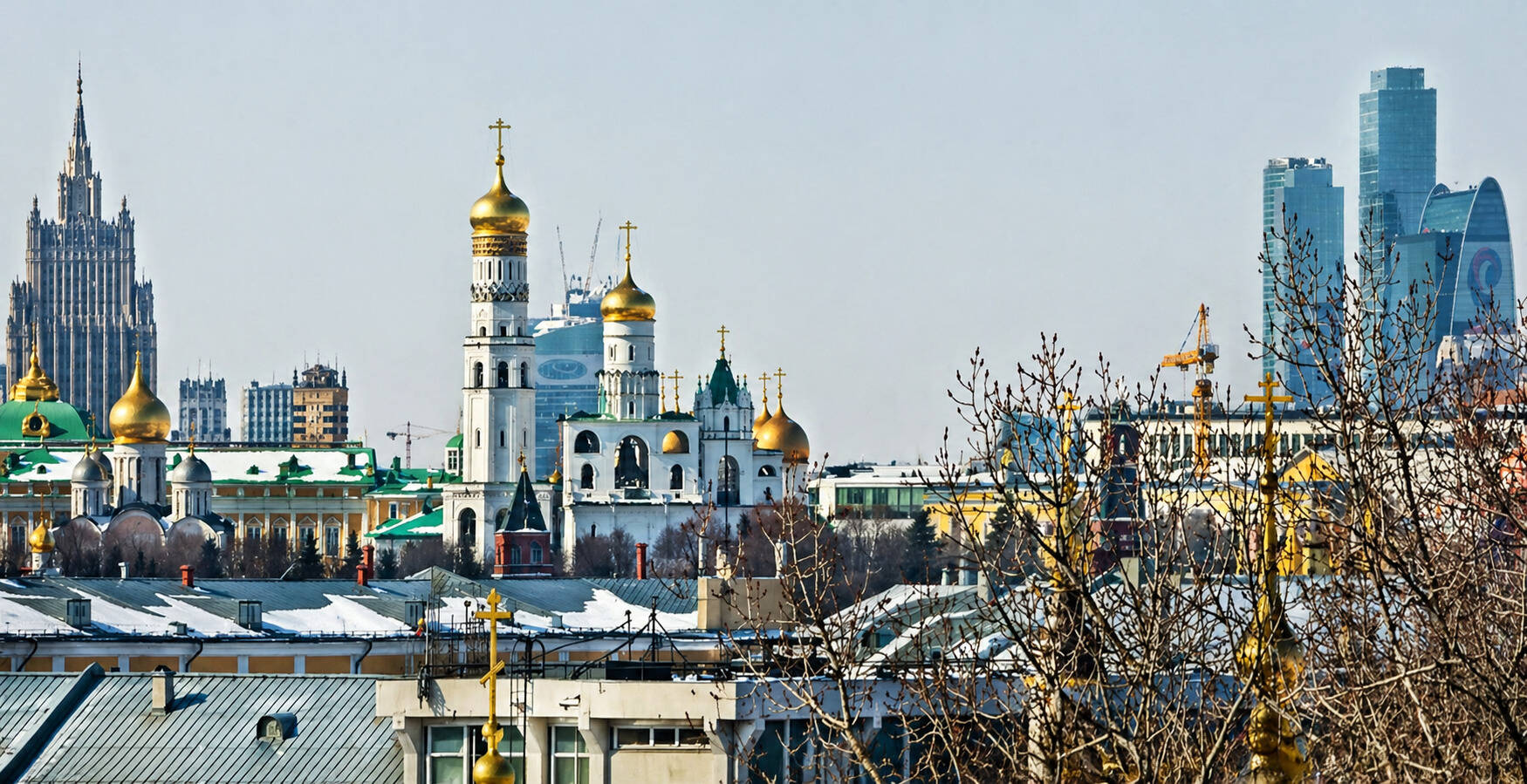
Articles on Moscow’s history and culture help you prepare for a guided walk and choose a private tour on a subject that interests you.
Historius (page 4)
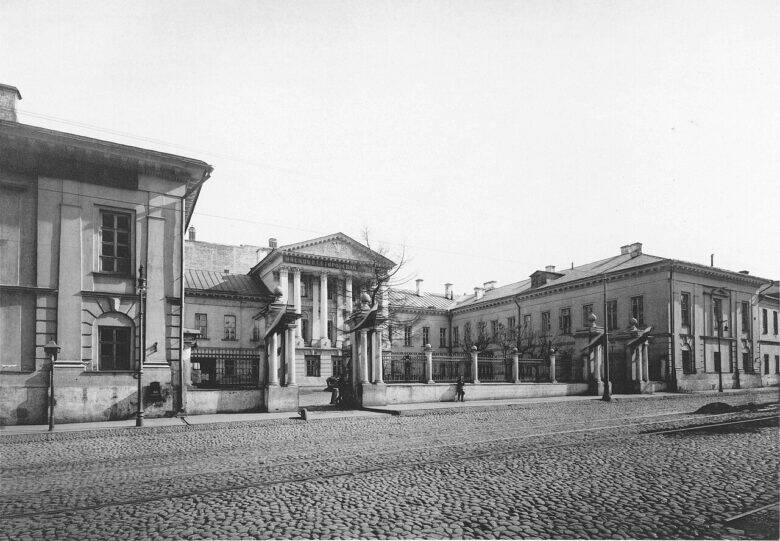
The Baryshnikov Estate: What Kazakov’s Façade Drawing Reveals
In 1805, the architect Yakov Zhdanov documented the Baryshnikov house on Myasnitskaya Street, recording departures from Matvey Kazakov’s original design. The façade drawing in Kazakov’s album shows the architectural design of the estate, but does not confirm that every detail was built exactly as depicted. Comparing these documents helps distinguish the design from the house as built.
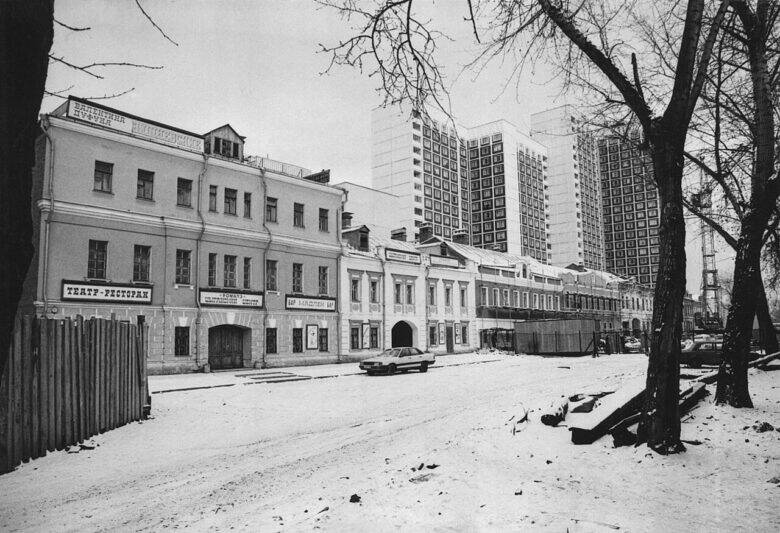
Shkolnaya Street: what remains of Rogozhskaya Sloboda and how No. 13 has changed
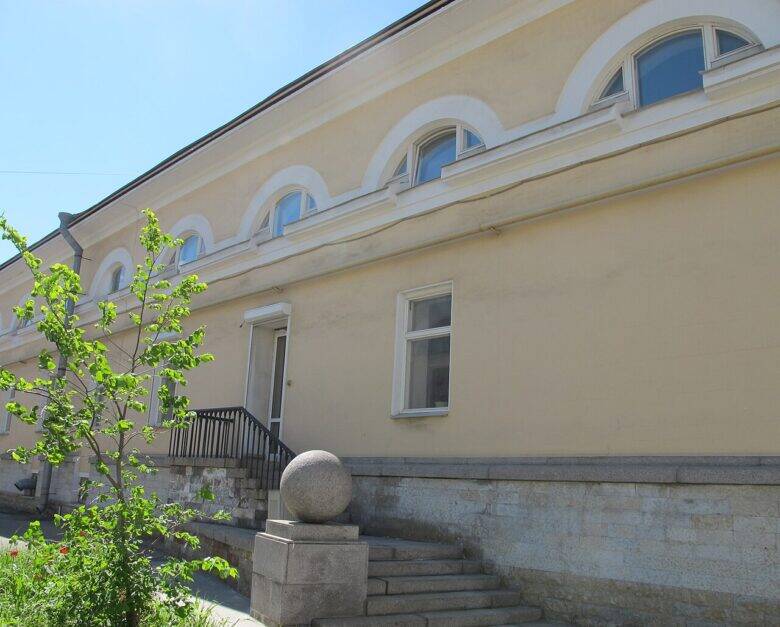
Shkolnaya Street in Moscow retains the layout of the former Rogozhskaya coachmen’s settlement: a closely packed row of two-storey houses and narrow plots extending deep into the blocks. The street pattern and the buildings date from different periods. No. 13 was built in 1834. According to a 2025 expert assessment report, it lost its roof and interiors in the 1980s, and only parts of its historic structural walls remained at the ti…
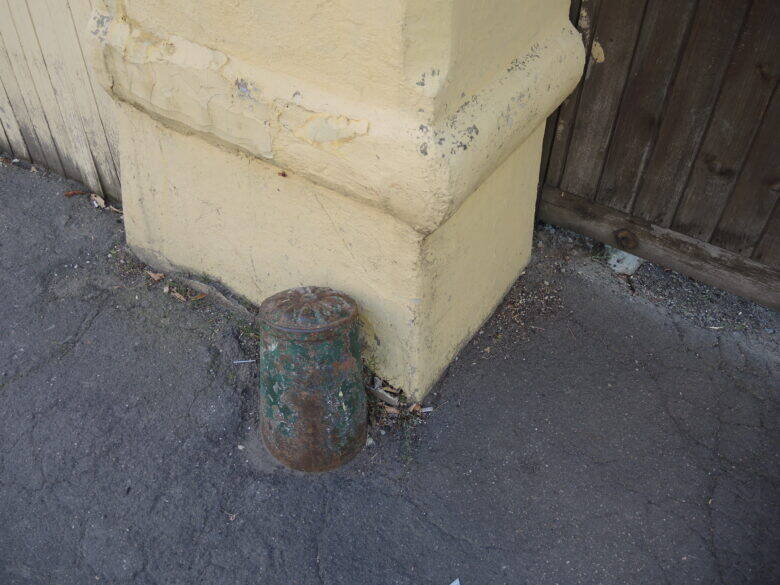
Krasnopresnenskaya Observatory: Zosima’s Gift and the Discovery That Never Was
Moscow University’s Krasnopresnenskaya Observatory was established in Presnya thanks to a gift from the merchant Zoy Zosima, but its foundation cannot be traced to a single date. In 1827, the benefactor offered in writing to donate his country estate; in 1828, his heirs transferred the land; and in 1831, the building was completed and observations began. A formal opening never took place: archival correspondence studied by Yuly Mentsin, a hi…
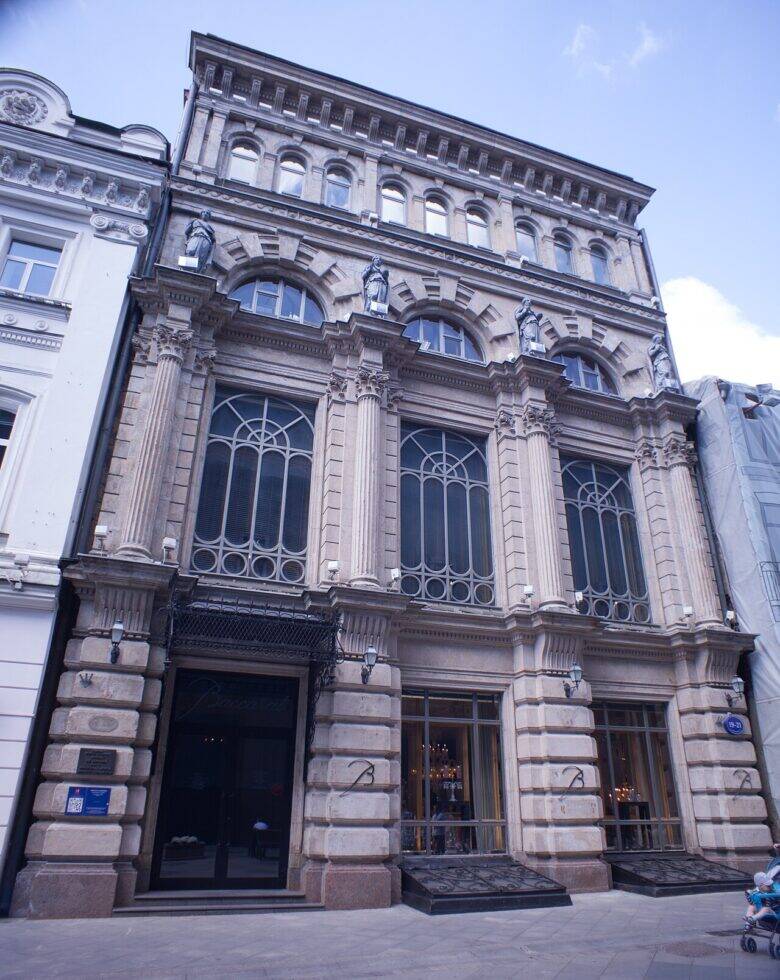
Why are there four statues of Hygieia at Ferrein’s Pharmacy?
Four identical statues of Hygieia stand on the first-floor cornice of the former Ferrein’s Pharmacy on Nikolskaya Street. The bowl in her left hand and the snake coiled around her right arm identify her as the goddess of health: the sculptures signalled the building’s purpose before visitors even stepped inside. A 2019 expert assessment revealed that these were metal statues assembled from separate parts, rather than stone ornaments, and that t…
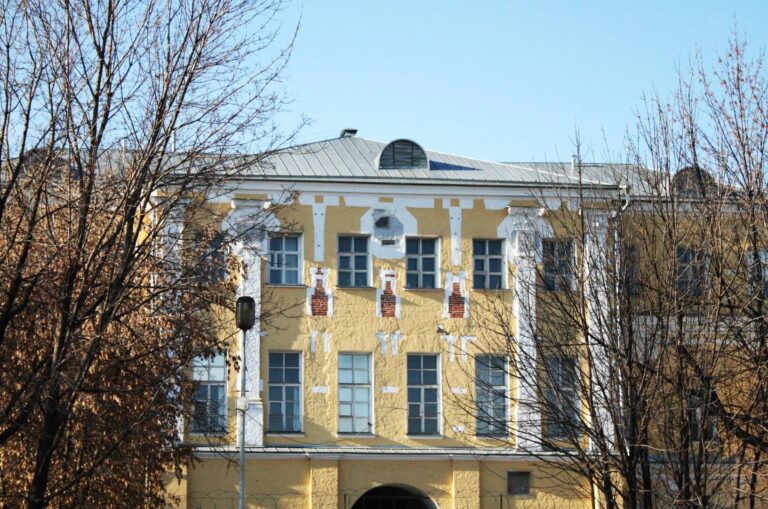
Lefortovo Palace: how alterations transformed the building and why it became home to an archive
Lefortovo Palace at 3, 2nd Baumanskaya Street grew out of the chambers built for Franz Lefort in 1697–1698. Under Alexander Menshikov, wings were added around the courtyard; after the fire of 1737, the façades were remodelled; and in the mid-19th century, the complex was adapted to house a military archive. Lefort’s palace took more than two centuries to acquire its present form.
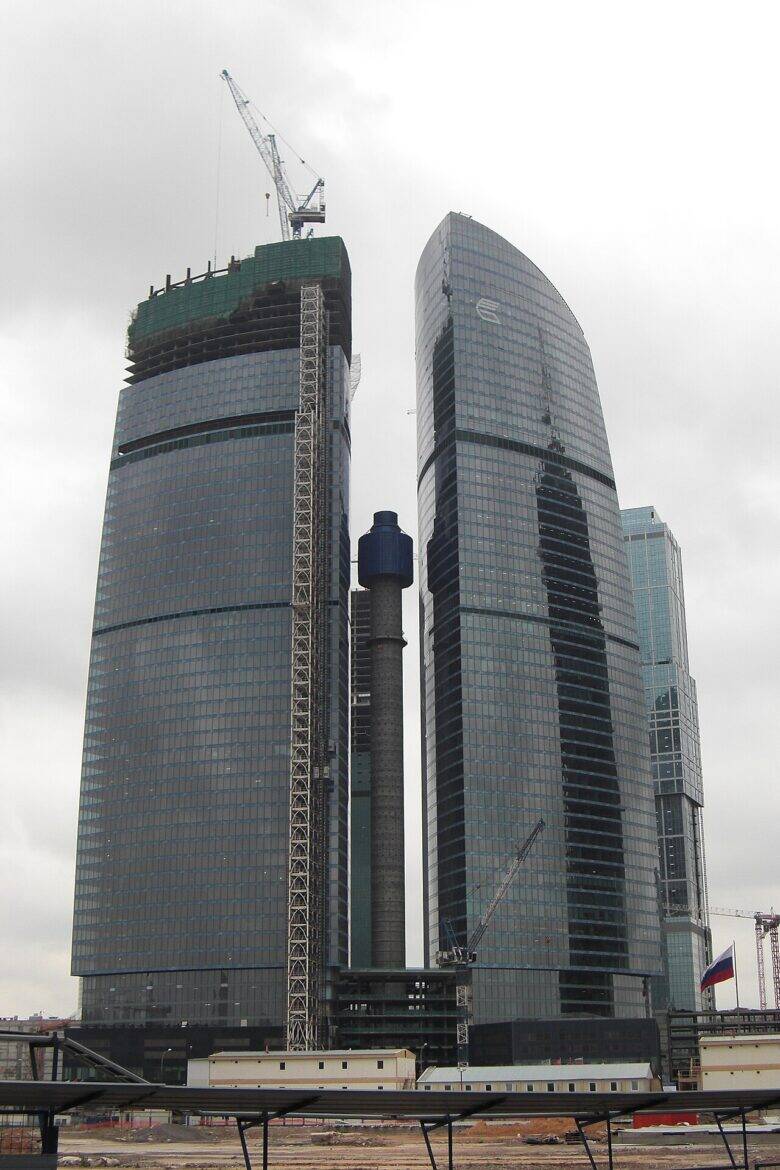
Federation Tower: why the mast between the East and West towers disappeared
In the 2009 photograph, a third, slender structure rises between the towers of the Federation complex: construction of the central mast had indeed begun. It was later dismantled, and the space between East and West was covered with a glass atrium. The story of this vanished feature explains why the complex’s familiar silhouette differs from the original design.
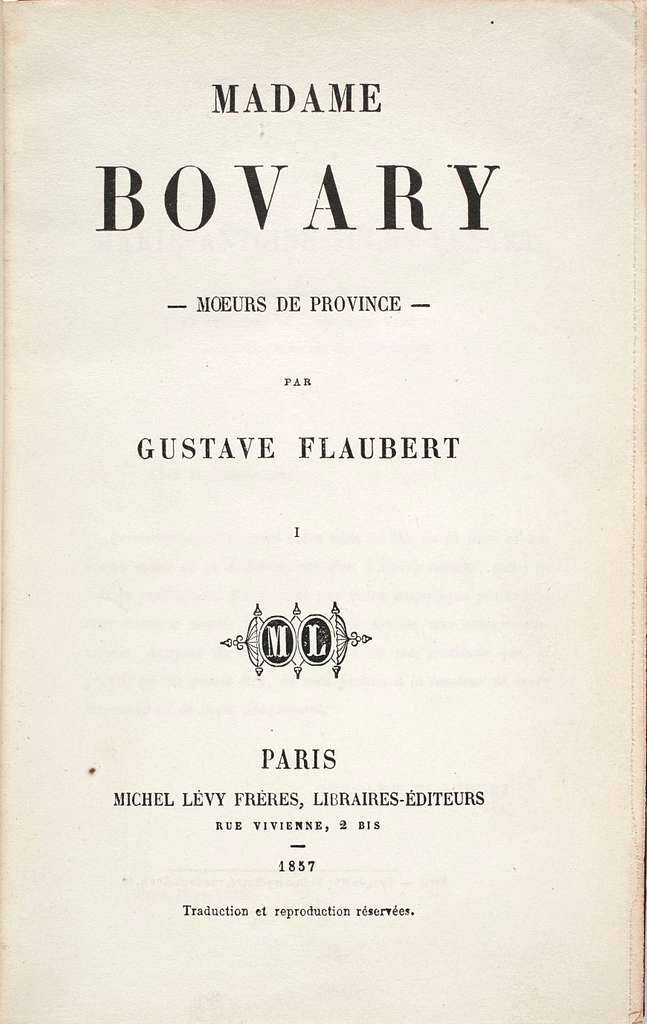
Alisa Koonen and Madame Bovary: what the archives reveal about work on the production
Alisa Koonen prepared a stage adaptation of Gustave Flaubert’s novel Madame Bovary for the Kamerny Theatre and played Emma; Alexander Tairov directed the production. The Russian State Archive of Literature and Art (RGALI) dates this manuscript to 1939–1940 and describes a director’s copy with Tairov’s annotations. These records allow us to distinguish between work on the text and work on the production. The publicly available inventori…
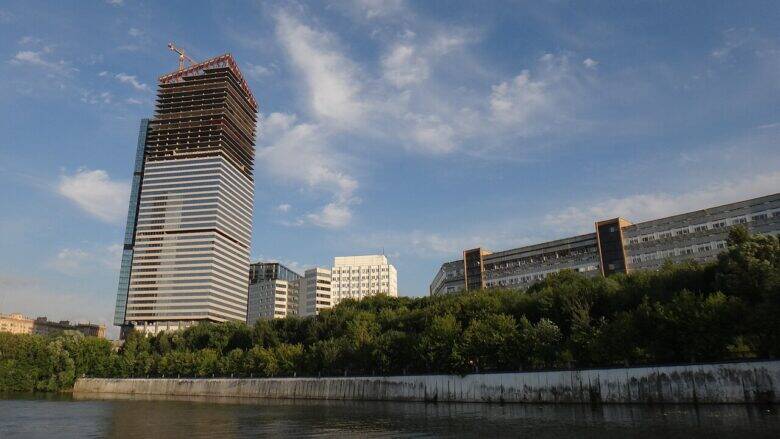
How Mirax Plaza became ‘Sberbank City’ and why the towers need a glass entrance
‘Sberbank City’ at 32 Kutuzovsky Prospekt grew out of the Mirax Plaza project. Two unfinished towers were adapted to serve as Sber’s headquarters and linked by a glass entrance building. Its saddle-shaped roof accommodates a shared hall beneath it and reduces shading of the offices on the towers’ lower floors — allowing the architects to meet two of the new client’s requirements with a single form.
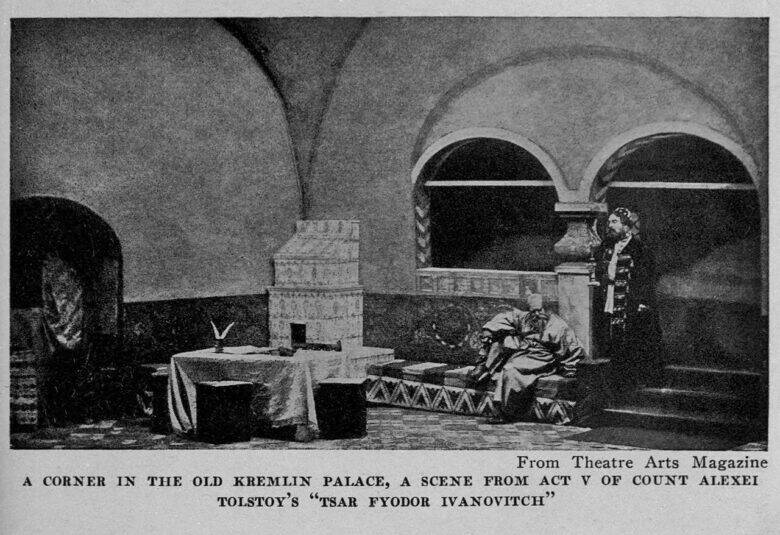
Simov’s 1901 poster: which scene the Moscow Art Theatre chose for ‘Tsar Fyodor’
The museum dates Viktor Simov’s poster for the hundredth performance of the Moscow Art Theatre’s production of ‘Tsar Fyodor Ioannovich’ to 26 January 1901. The poster depicts a crowd scene on the River Yauza, with beggars sitting on a bridge. This choice helps us understand which image of the production the theatre chose for its poster, but does not allow us to reconstruct the 1898 premiere or the audi…
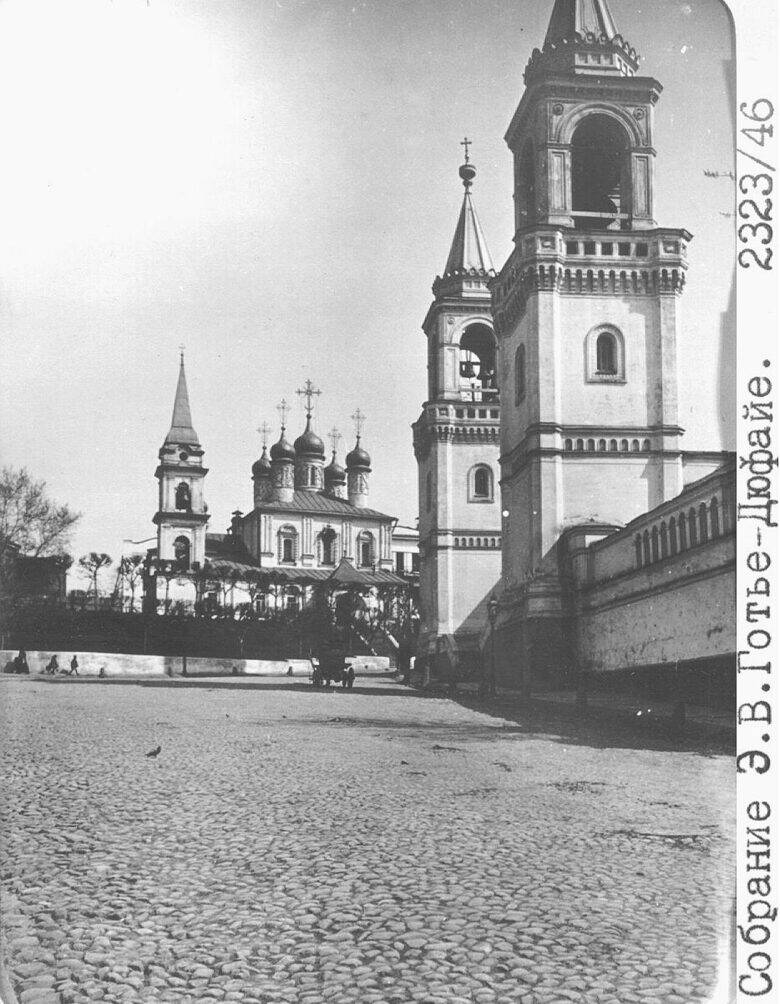
Ivanovsky Convent: What Bykovsky Built and What Remains of the Old Cathedral
The present ensemble of Ivanovsky Convent on Ivanovskaya Hill in Moscow was created in the 19th century, although the convent itself existed much earlier. In the 1860s, Mikhail Bykovsky began rebuilding it: the old church was dismantled, and a new one was erected at the centre of a network of courtyards and galleries. The main building work was completed around 1865, while the consecration took place in 1879. According to the…
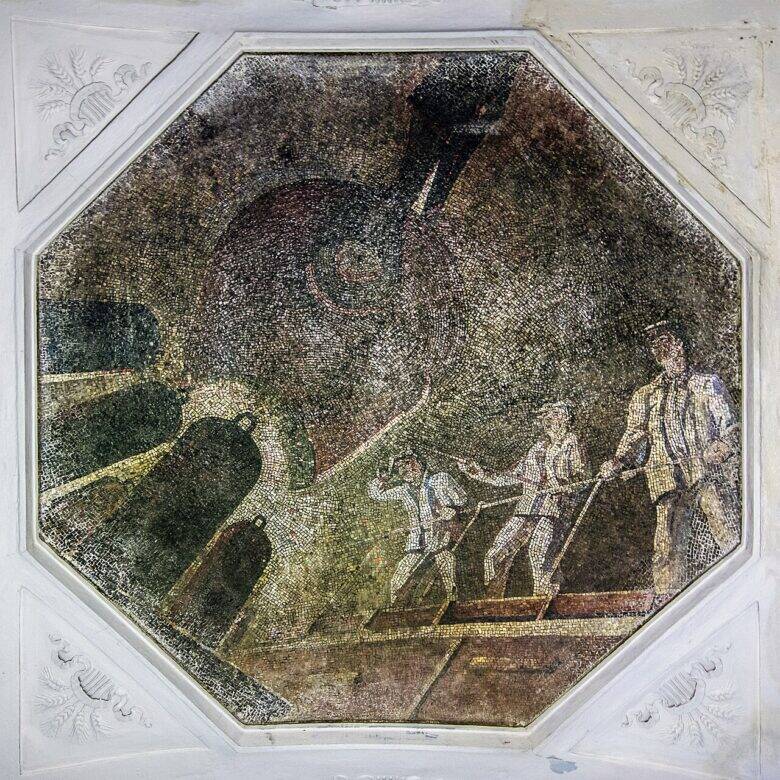
Novokuznetskaya’s Mosaics: Why They Were Created for Paveletskaya
The mosaics at Novokuznetskaya were intended for another station on the Zamoskvoretskaya line — Paveletskaya, known as Donbasskaya at the design stage. In the original design by the brothers Viktor and Alexander Vesnin, fourteen smalt mosaic panels based on drawings by Alexander Deineka were to line the vault of the central hall. During the war, the station was built without this hall: the metal structures remained in occupied territory, leaving no space for the completed…
‘Gift in Vain, Gift of Chance’: how Pushkin responded to Philaret
The poetic dialogue between Pushkin and Philaret, Metropolitan of Moscow, began with ‘Gift in Vain, Gift of Chance…’, written on 26 May 1828, continued with Philaret’s response after its publication, and concluded with Pushkin’s ‘In Hours of Amusement or Idle Boredom…’ in January 1830. The central shift is evident in the words themselves: a question about the pointlessness of life becomes a reflection on personal responsibility, while the final poem t…
The Bull and Bear on Pertsova House: From Malyutin’s Casket to Majolica
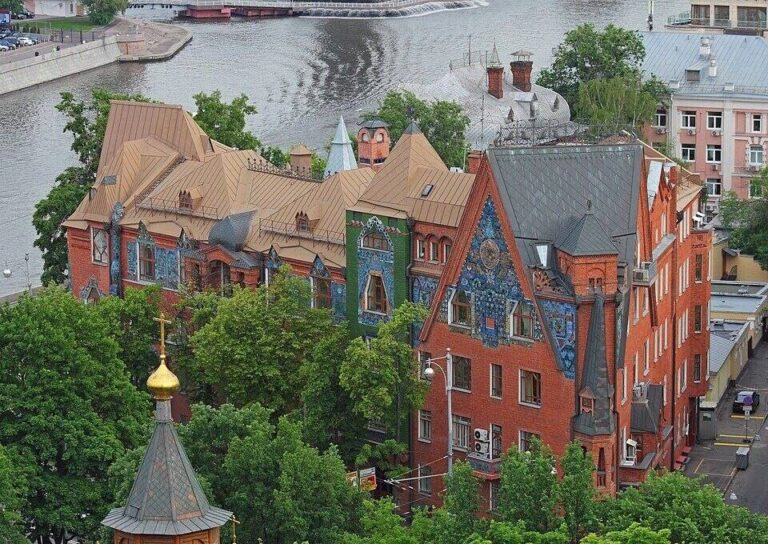
Sergei Malyutin’s casket is carved with a bull and bear locked in combat, the monogram ‘SM’ and the date 1904. The same scene appeared in majolica on the gable of Pertsova House facing the Moskva River; construction of the house began in 1906. This single façade detail reveals how a design for a small object became part of a rental apartment building.

Cotton Wool Christmas Tree Decorations in the USSR: How They Were Made and Why Glass Became More Popular
Cotton wool tree ornaments in the USSR were made both by hand and in factories: figurines were built around wire frames, while fruit shapes produced in quantity were wound and pressed. The cotton wool was secured with an adhesive, dried and painted; the characters’ faces were often made separately. In the second half of the 20th century, production of glass ornaments increased, and cotton wool figurines gradually gave way to them…
How the design of the Tsentrosoyuz Building evolved and what Nikolai Kolli contributed
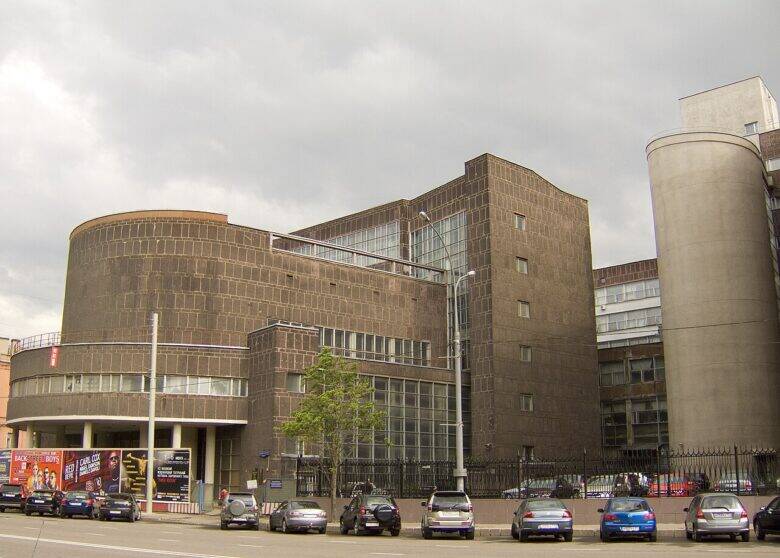
The Tsentrosoyuz Building at 39 Myasnitskaya Street was designed by Le Corbusier and Pierre Jeanneret, while Nikolai Kolli led the preparation of construction drawings in Moscow. Between the competition in 1928 and the completion of the finishes in 1940, the geometry of the blocks, the layout of the office halls and the engineering solutions changed. These changes had different causes and cannot be attributed to one person.
Advantages of individual excursions over group ones
- All attention is on you. Answers to all your questions.
- An atmosphere of tranquility and privacy.
- We pay special attention to the places that interest you.
- Possibility of adapting the route to your preferences and interests.
- You hear everything the tour guide says.
- At individual excursion you dive deeper.
- No one is in a hurry. Take a good look at the sights - they won't leave without you.
- Without loud laughter and inappropriate jokes from other tour participants.
- Your photos will not be crowded with other participants.
- The opportunity to discuss personal impressions and emotions with the guide during the process.
- Take a break when needed - to rest or take photos.
- A personal guide remembers you, and you remember him. Such moments remain in memory.
- There is less strain on your hearing and attention, since the guide is literally right next to you and speaks only for you.
- The excursion can be either educational or easy, depending on your wishes.
- Opportunity to gain insight or exclusive information.
- Absence of outside pressure.
- The guide doesn't make stops at points of sale (at least we certainly don't).
- You don't have to get up early or come at an inconvenient time. You choose when.
- Possibility to visit places closed to large groups.
How much more expensive are personal tours than mass tours?
If you are alone or in pairs, then a sum of several thousand for a walking tour of the city or twenty thousand for a car excursion is significant.
But if you're going for a walk with family or friends, the cost for an individual participant approaches one or two thousand - the amount that each person would pay for a group excursion with strangers.
For your group of 8 or more people, the price becomes even lower when calculated per person, making a private tour truly attractive.
***
A mass excursion is tourism, an individual excursion is a journey through the city’s secrets with a personal guide.
The Radius excursion bureau offers fascinating excursions on the history of Moscow in Russian and foreign languages. You can choose a walking tour or a sightseeing trip by car, as well as order an individual route. Our stylish guides will provide a lively speech without cliches, immersing you in the rich history of the capital. In addition, we offer corporate excursions, and our experience of cooperation with such companies as Yandex and Faberlic confirms our competence.
For those who want to make an original gift, gift certificates for our excursions are available. This is the perfect way to give an educational walk around Moscow with a modern guide. Our excursions are conducted in Russian, English, German, Spanish and Hebrew, and can include walks, bike rides, scooter rides or a boat ride on the Radisson Royal on the Moscow River.