Russia has given the world great writers and poets whose works have become pearls of world literature. Their work reflects the soul of the people, the history and culture of the country. We invite you to fascinating excursions to places associated with the life and work of these outstanding authors. Learn more about the Moscow of Pushkin, Yesenin, Bulgakov and Gilyarovsky, following routes that bring their stories to life and create the atmosphere of the classics' eras.
Articles about writers and poets of Russia
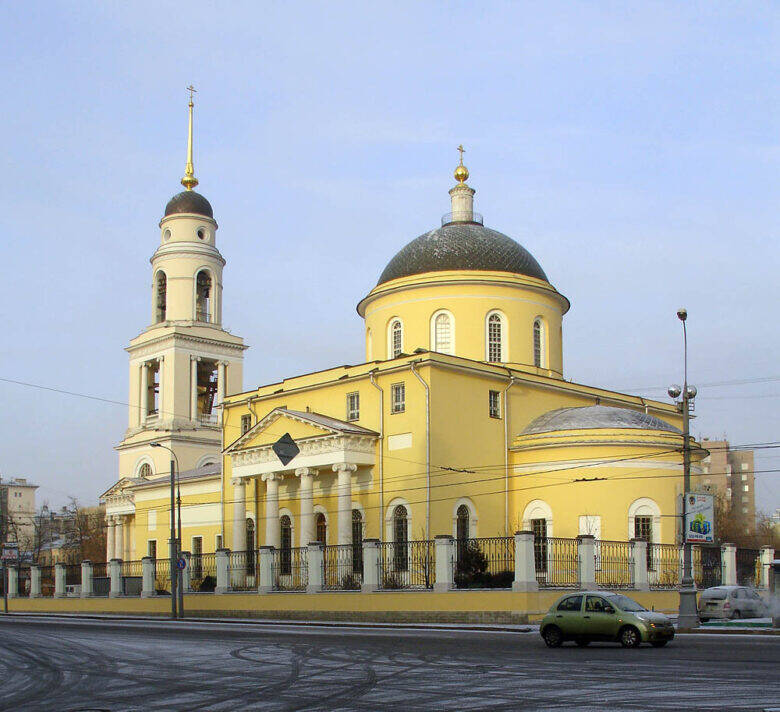
Where Pushkin and Goncharova Were Married: Documents on the Church of the Great Ascension
Pushkin and Natalia Goncharova were married in the Church of the Great Ascension on 18 February 1831. The main body of the new church by Nikitsky Gate was still unfinished; services were held in the section consecrated earlier. The documents establish the parish and explain the course of construction, but do not establish beyond doubt the exact spot inside the churchwhere the bride and groom stood.
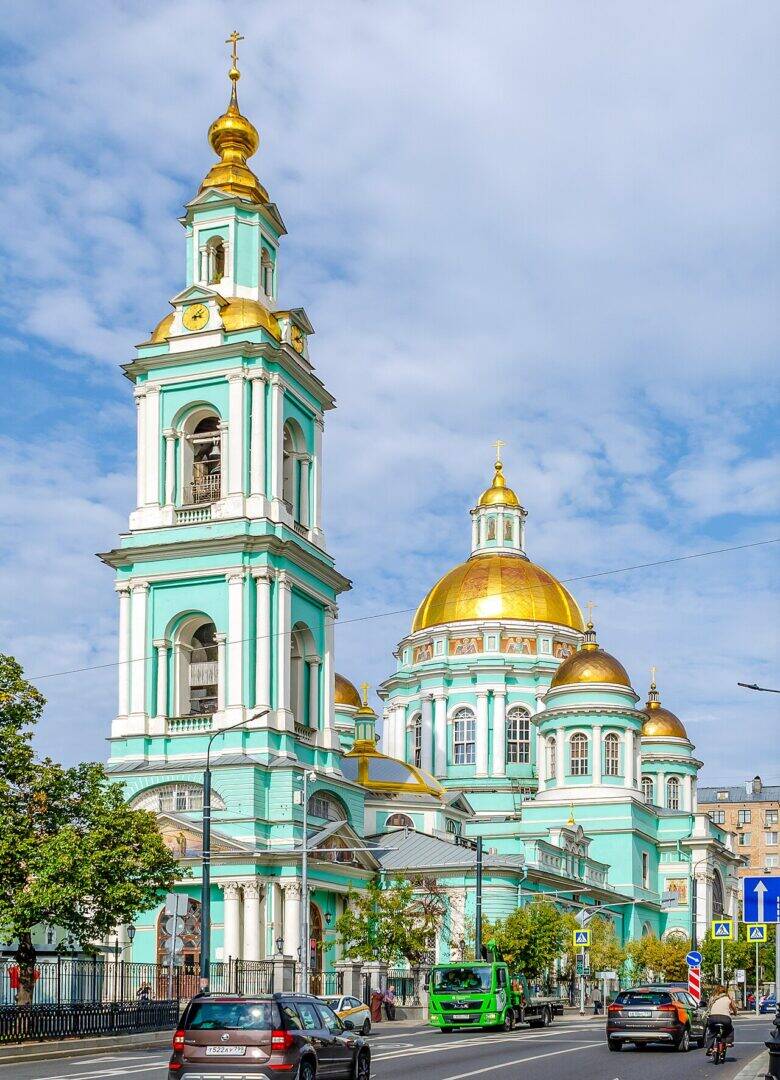
Where was Pushkin born, and what do his Moscow addresses reveal?
Alexander Sergeevich Pushkin was born in Moscow on 26 May 1799 according to the Old Style calendar, or 6 June according to the New Style calendar. A commemorative plaque cannot establish the exact house where he was born. The plaque on Baumanskaya Street marks one historical account; the monument on Pushkin Square was erected decades after the poet’s death; and the State Museum on Prechistenka occupies a house that Pushkin is not do…
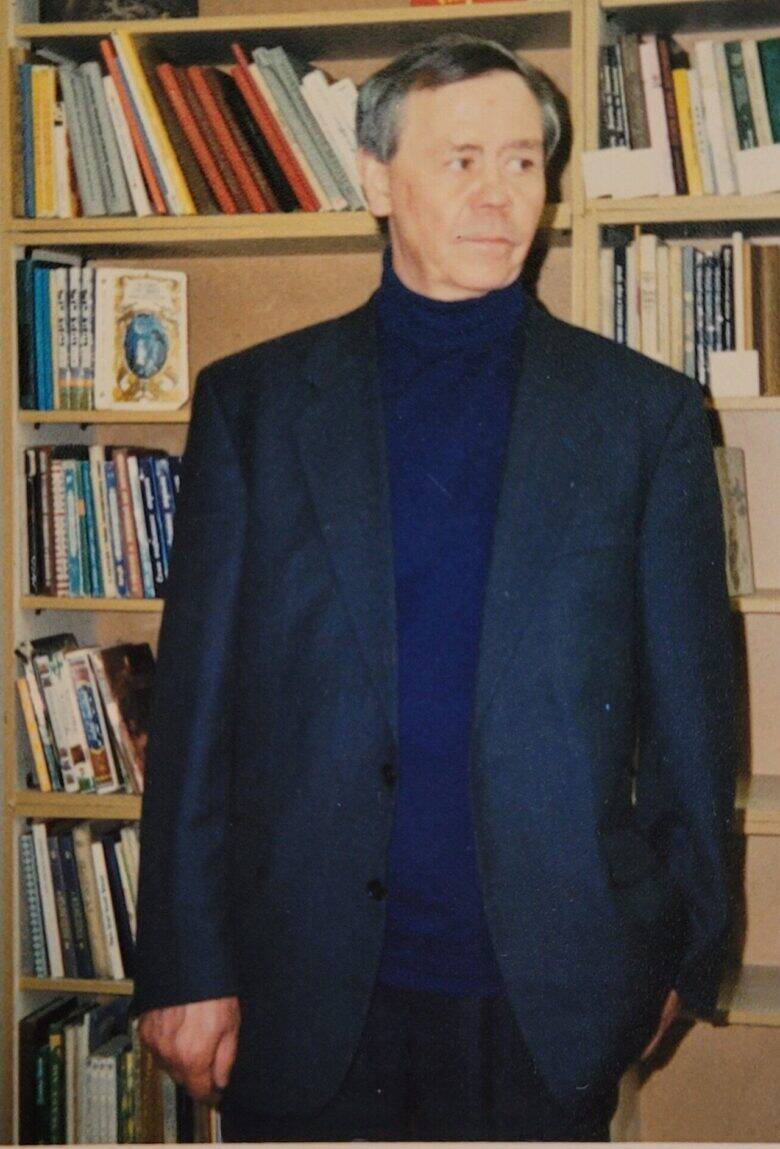
‘French Lessons’: What Really Happened and What Rasputin Invented
Valentin Rasputin’s biography helps establish what really happened in the story ‘French Lessons’: in 1948, an eleven-year-old boy left Atalanka to study in Ust-Uda, lived away from his family and had too little to eat. Lidia Mikhailovna was a real person too. Rasputin invented the teacher’s games for money with her pupil; in the story, they help the boy accept the support he had previously refused.
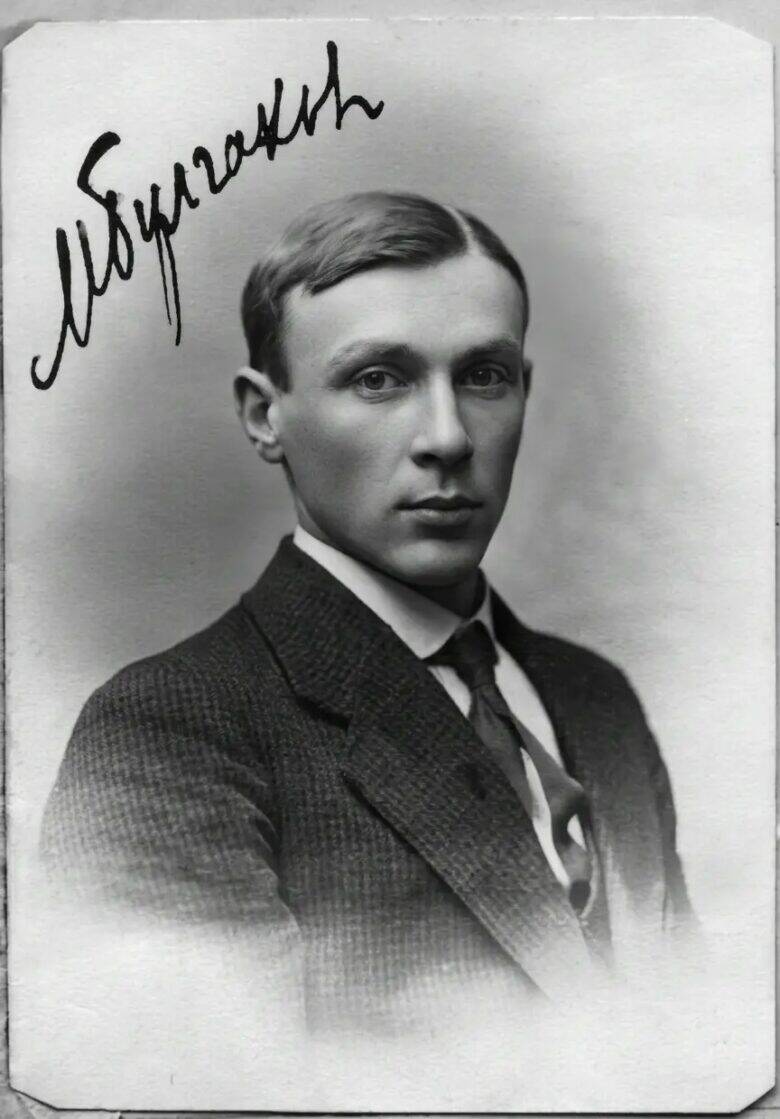
From Judas’s Tetradrachms to Torgsin: Scenes of Money in Bulgakov’s Works
In The Master and Margarita, money takes the form of specific historical objects: silver tetradrachms, Soviet chervonets banknotes, foreign currency, gold and Torgsin commodity vouchers. Each has its own function: the silver records the price of betrayal, the winnings free up the hero’s time for work, audience members check the banknotes for authenticity, the dollars that are found become evidence, and the trading network’s documents provide access to scarce goods.
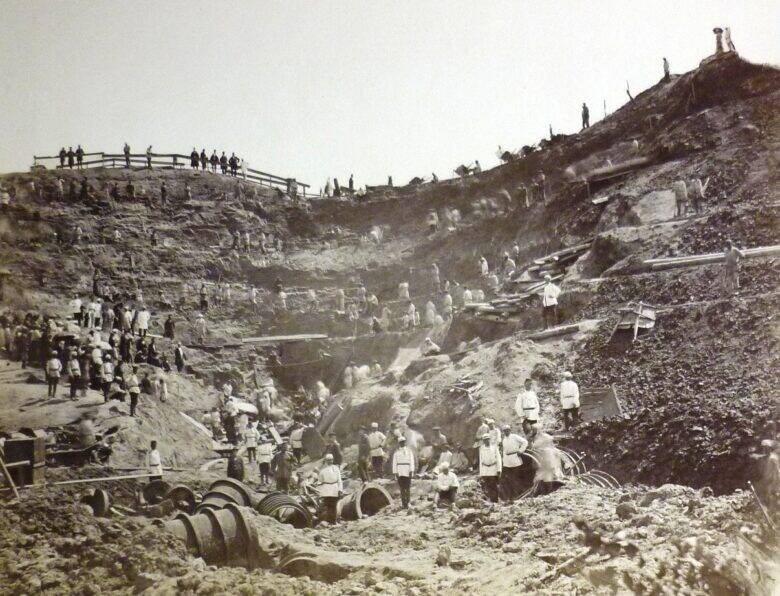
Gilyarovsky’s Reportorial Method: The 1926 and 1931 Editions
Vladimir Gilyarovsky’s book Moscow and Muscovites grew out of several layers of work: newspaper assignments, relationships cultivated over many years, sketches of old Moscow and later reworking as memoir. The extensive text familiar to modern readers brings together observations and versions written in different years rather than capturing the city at a single point in time. Distinguishing between the date of an event, its first publication…

Tolstoy and Poverty in Moscow: What He Saw During the 1882 Census
Leo Tolstoy and the 1882 Census — the story of how a ready-made scheme to help the poor collided with the realities of life in the Rzhanov House. His rounds showed that giving out money did not address the causes of poverty, and that a benefactor knew little about the people whose destinies he intended to determine. Over the next several years, Tolstoy transformed this failed endeavour into an exploration of personal r…
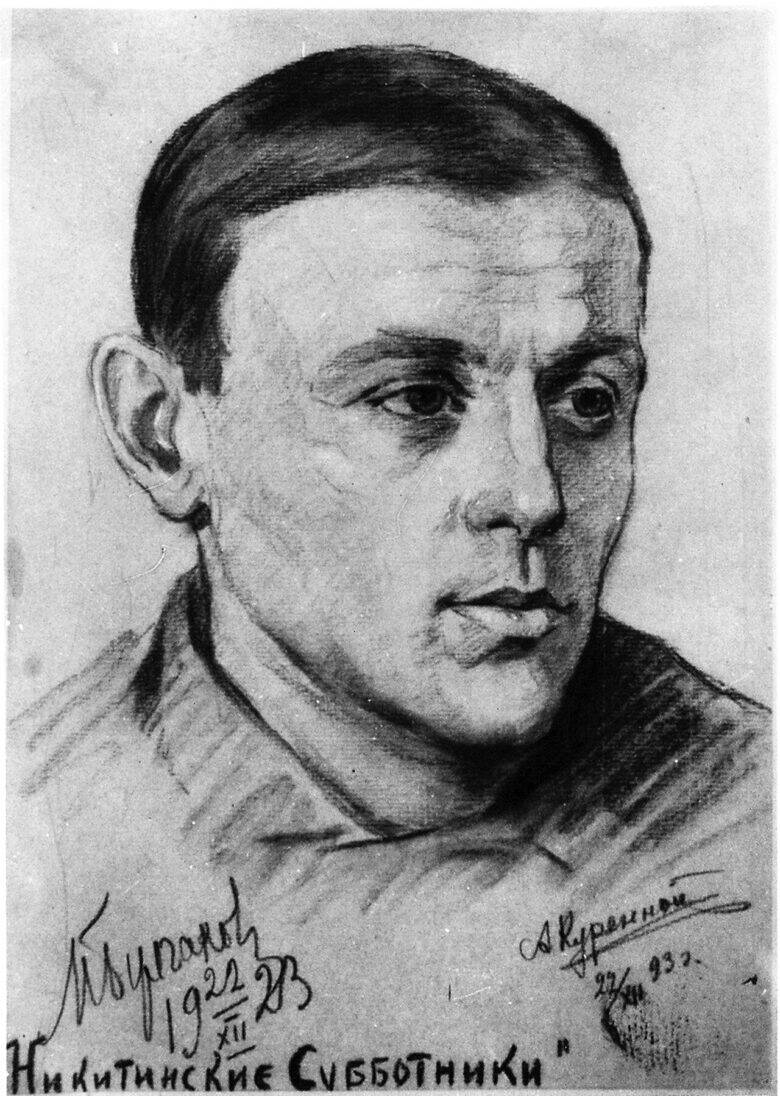
Bulgakov’s Housing Question: How Communal Moscow Found Its Way into the Novel
The Housing Question in Bulgakov’s Life and Work began with a literal search for a permanent address. In late September 1921, the writer arrived in Moscow with no home of his own. After staying with friends for several days, he and Tatyana Lappa moved into a room in communal flat No. 50 at 10 Bolshaya Sadovaya Street. He lived there until November 1924.
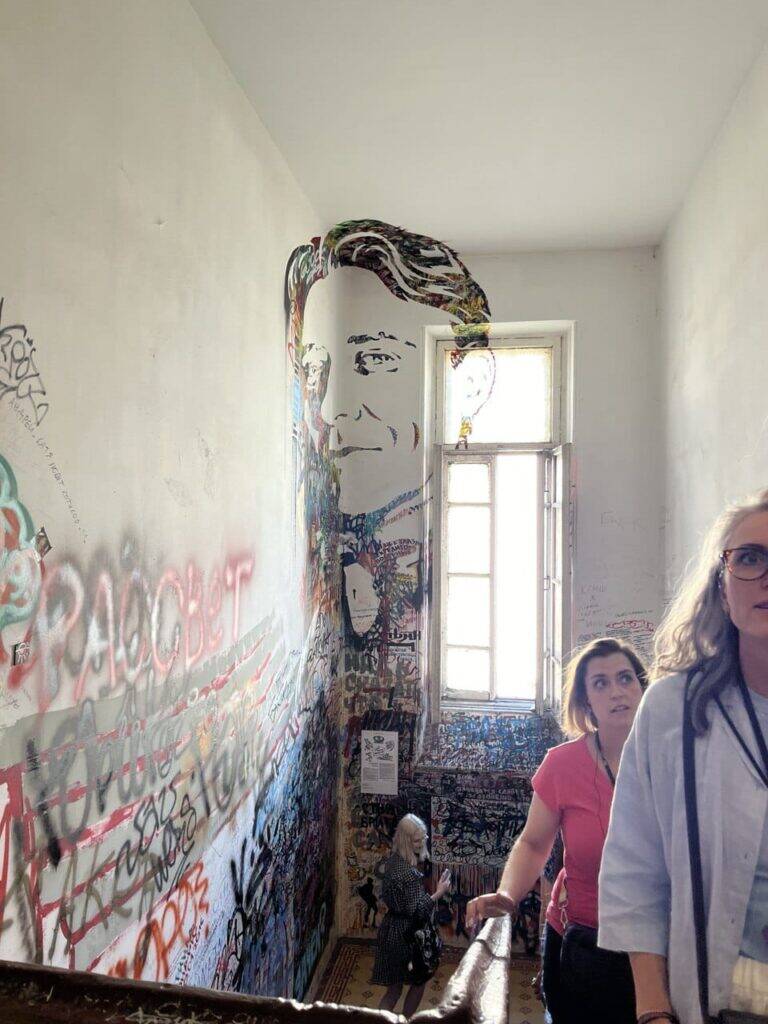
Tours of The Master and Margarita in Moscow: An Overview of Formats and a Guide to the Locations (2026)
This article is a guide to "The Master and Margarita" tours in Moscow. We'll explore the different formats available (from classic walking tours to theatrical tram tours), their differences, and their costs. For those who prefer to explore alone, we've compiled a detailed guide to the novel's addresses, complete with historical context.
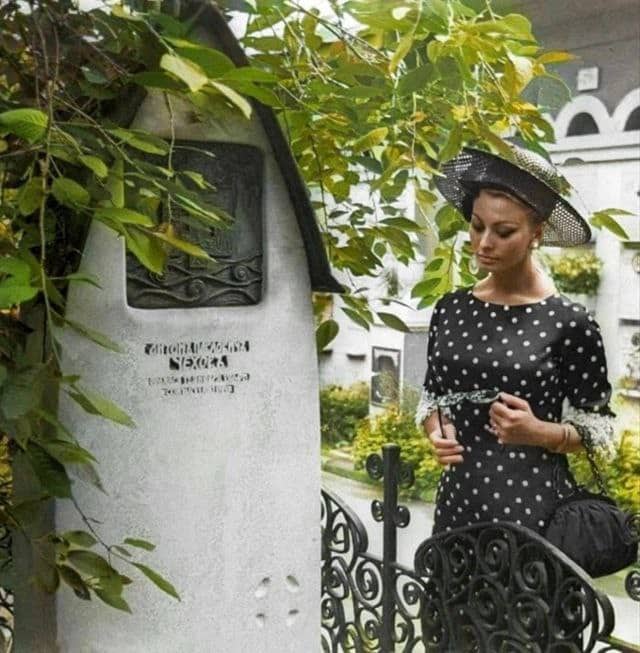
Thoughts on Chekhov and Shakespeare after a photo with Sophia Loren
Radius does not have tours of Chekhov's Moscow, much less Shakespeare's Moscow. But today, seeing a photograph of Sophia Loren on Anton Pavlovich's grave, the idea came to mind of comparing the works of these two pillars of world drama.
Advantages of individual excursions over group ones
- No one is in a hurry. Take a good look at the sights - they won't leave without you.
- The opportunity to discuss personal impressions and emotions with the guide during the process.
- You hear everything the tour guide says.
- Your photos will not be crowded with other participants.
- An atmosphere of tranquility and privacy.
- A personal guide remembers you, and you remember him. Such moments remain in memory.
- Without loud laughter and inappropriate jokes from other tour participants.
- We pay special attention to the places that interest you. For example, excursions around Moscow about Pushkin or Yesenin.
- The guide doesn't make stops at points of sale (at least we certainly don't)
- There is less strain on your hearing and attention, since the guide is literally right next to you and speaks only for you.
- The excursion can be either educational or easy, depending on your wishes.
- Possibility to adapt the route to your preferences and interests. For example, excursions around Moscow about writers such as Bulgakov or Gilyarovsky.
- At individual excursion you dive deeper.
- Take a break when needed - to rest or take photos.
- Absence of outside pressure.
- All attention is on you. Answers to all your questions.
- Opportunity to gain insight or exclusive information.
- Possibility to visit places closed to large groups.
- You don't have to get up early or come at an inconvenient time. You choose when.
How much more expensive are personal tours than mass tours?
If you are alone or in pairs, then a sum of several thousand for a walking tour of the city or twenty thousand for a car excursion is significant.
But if you're going for a walk with family or friends, the cost for an individual participant approaches one or two thousand - the amount that each person would pay for a group excursion with strangers.
For your group of 8 or more people, the price becomes even lower when calculated per person, making a private tour truly attractive.
***
A mass excursion is tourism, an individual excursion is a journey through the city’s secrets with a personal guide.
The Radius Bureau offers cultural, historical and sightseeing tours of Moscow in Russian and foreign languages. Choose a walking tour or a car tour, or order a custom route. Our guides are stylish and intelligent, without memorized texts.
We organize excursions for two, families and friends, as well as for demanding guests, including journalists and foreigners. Corporate clients such as Yandex and Faberlic trust us to conduct excursions. Of interest are excursions around Moscow about Pushkin, Yesenin, Bulgakov and Gilyarovsky.
Walking, driving, cycling, scootering or boating on the Moscow River are available. We work in Russian, English, German, Spanish and Hebrew.